
27 Mar How Effective Are Hearing Glasses for Older Adults?
Hearing loss often creeps in slowly. A person may start asking others to repeat themselves, miss parts of conversations in noisy rooms, or turn the television up a little more than before. That is one reason newer devices that blend hearing support into familiar objects are getting attention.
Hearing glasses are one of those devices. They are designed to combine eyewear with built-in hearing assistance, which can make them feel less medical and more natural to use in daily life. Still, the real question is not whether they sound innovative. It is whether they are actually effective for older adults.
In many cases, they can be helpful, especially for older adults with mild to moderate hearing loss who want something discreet and easier to work into everyday routines. But they are not a universal replacement for traditional hearing aids, and how well they work depends a lot on the user’s hearing needs, lifestyle, and expectations.
What Are Hearing Glasses and How Do They Work?
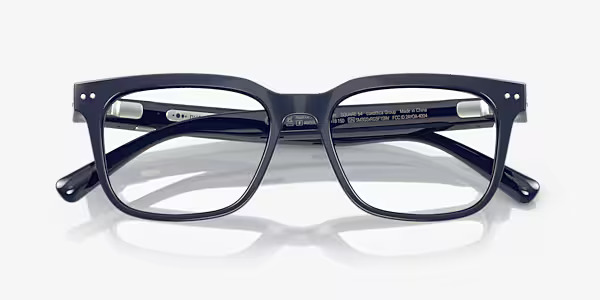
Hearing glasses are eyewear frames with built-in hearing technology. In practical terms, they are designed to help amplify speech and certain sounds while still functioning as ordinary glasses. Some models use directional microphones and open-ear speakers built into the frame, along with app controls for volume and listening settings.
The idea is simple. Instead of wearing a separate hearing device behind or inside the ear, the user wears glasses that provide hearing support while leaving the ears open. That design may appeal to older adults who already wear glasses and want something more discreet or less intrusive.
Why Hearing Loss Matters for Older Adults
Hearing loss is not just about sounds becoming quieter. It often affects communication, confidence, and participation in daily life.
Many older adults begin avoiding noisy restaurants, group conversations, or family gatherings because listening becomes tiring or frustrating. Over time, untreated hearing difficulties can make people feel more isolated, even when they are still trying to stay socially active.
That is why hearing support matters. The issue is not only hearing more sound. It is hearing well enough to stay engaged in everyday life without constant strain.
How Hearing Glasses Support Daily Communication
Where hearing glasses may help most is in ordinary conversation, especially for someone who wants a lighter-touch solution.
Potential strengths include:
- Making speech easier to follow in some everyday settings
- Reducing the feeling of wearing a separate hearing device
- Combining vision correction and hearing support in one product
- Offering app-based adjustment for volume and listening preferences
For older adults, that convenience can matter a lot. If a device feels easier to wear, simpler to manage, and less visually medical, some people may be more likely to use it consistently. And consistent use is often what makes any hearing support device worthwhile.
This is also where the anchor fits naturally. For someone exploring more discreet options, hearing aid glasses represent a newer category designed to support daily listening without looking or feeling like a traditional hearing device.
Comparing Hearing Glasses to Traditional Hearing Aids
This is where expectations need to stay realistic.
Traditional hearing aids have been around longer, come in more clinical configurations, and can serve a wider range of hearing needs. Hearing glasses, by contrast, appear best suited to people who:
- Already wear glasses or are open to wearing them
- Have mild to moderate hearing loss
- Want a more discreet, lifestyle-friendly option
- Value simplicity and comfort over maximum customisation
Traditional hearing aids may still be the better choice when someone needs:
- More powerful amplification
- Support for more severe hearing loss
- A device selected and fitted through full clinical evaluation
- A wider range of specialist adjustments
So are hearing glasses effective? Yes, for the right person. But they are probably best seen as one option within the broader hearing-care landscape, not as a total replacement for every traditional hearing aid.
Benefits of Hearing Glasses for Seniors
For some older adults, the appeal is obvious.
A few likely advantages are:
- Discretion, since they do not look like a conventional hearing aid
- Convenience, because one wearable item can support both sight and hearing
- Comfort, especially for people who find in-ear or behind-ear devices intrusive
- Simplicity, with controls that may feel easier for everyday use
That ease of use may be especially attractive to older adults who have delayed trying hearing support because they found the process intimidating, too clinical, or inconvenient.
Still, comfort and convenience do not automatically mean they are the best option for everyone. The biggest question is whether they improve real-life communication enough for the person wearing them.
Conclusion
Hearing glasses can be effective for older adults, but mainly in the right circumstances. They seem most promising for people with mild to moderate hearing loss who want discreet, everyday support built into something they may already wear. Their biggest strengths are convenience, ease of use, and the way they blend hearing support into daily life.
What they are less likely to be is a universal answer for all hearing problems. Older adults with more significant hearing loss, more complex hearing needs, or a need for clinical fitting may still benefit more from traditional hearing aids and professional evaluation.
The fairest takeaway is this: hearing glasses are not just a novelty, and for some seniors they may be a genuinely useful step toward better daily communication. But like most assistive technology, they work best when matched to the right user, the right level of hearing loss, and the right expectations.
—
The information on MedicalResearch.com is provided for educational purposes only, and is in no way intended to diagnose, cure, or treat any medical or other condition. Some links are sponsored. The ratings expressed in this post are for background information only and not independently verified by MedicalResearch.com or Eminent Domains Inc.
Products, services and providers are not warranted or endorsed.
Always seek the advice of your physician or other qualified health and ask your doctor any questions you may have regarding a medical condition. In addition to all other limitations and disclaimers in this agreement, service provider and its third party providers disclaim any liability or loss in connection with the content provided on this website.
Last Updated on March 27, 2026 by Marie Benz MD FAAD