
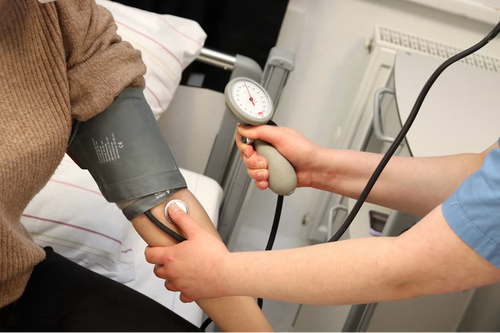
16 Sep How Science-Backed CEUs Improve PT Patient Care
Physical therapy keeps evolving as modern medicine uncovers clearer ways to treat movement disorders and chronic pain. Clinicians need reliable methods to upgrade their skills without falling behind on current standards. Standard coursework sometimes relies on outdated methods that do not produce optimal patient outcomes. Modern continuing education offers structured coursework rooted in research to help clinicians deliver effective treatment. According to the BLS (U.S. Bureau of Labor Statistics), employment of physical therapists is projected to grow 15% through 2032 — much faster than average — driven by an aging population and increasing prevalence of chronic conditions that respond well to rehabilitation.
Growing Industry Demand Requires Advanced Skills
The physical therapy sector continues expanding rapidly to meet patient needs across the nation. Market research indicates the U.S. physical therapy services market reached $50.23 billion in 2024 and is projected to hit $76.61 billion by 2033. This financial expansion aligns with an increase in patient visits and new clinical roles. High demand creates a competitive environment where practitioners must sharpen their skills to stay effective. Continuing education courses provide therapists with modern techniques that fit growing clinical workloads. Clinicians who pursue advanced education stand out in a crowded job market. Clinics prioritizing evidence-based learning build stronger reputations within local healthcare networks. Patient referrals increase when physical therapy providers show consistent, positive results across complex cases. Investing time in educational modules helps practitioners remain agile as clinical protocols shift.
Bridging Research and Daily Clinical Efficacy
Clinicians turn complex academic studies into direct recovery plans for patients. Structured learning platforms like the Brookbush Institute provide physical therapists with actionable tools grounded in biomechanical science. Practitioners who stay current on movement mechanics deliver targeted interventions that speed up rehabilitation timelines. Therapists frequently encounter patients with overlapping movement compensations. Reading current peer-reviewed studies equips therapists to identify hidden joint limitations quickly. Clinical precision minimizes guesswork during initial patient evaluations.
Realizing Higher Treatment Success Rates
Applying research-backed techniques directly impacts how quickly patients regain mobility and reduce discomfort. Systematic reviews show that physical therapy success rates range from 68% to 72%, meaning a strong majority of patients experience meaningful improvement when receiving evidence-based care. Educational guides note that research literacy bridges the gap between scientific findings, clinical expertise, and individual patient values to maximize treatment efficacy. Upgrading clinical knowledge helps therapists refine manual therapy and corrective exercise selection. Practitioners achieve higher success rates by eliminating ineffective modalities from their rehabilitation plans.
Several practical ways science-backed coursework improves daily patient care:
- Streamlines diagnostic assessments to pinpoint movement restrictions quickly.
- Replaces outdated modalities with active movement protocols grounded in current literature.
- Helps therapists adjust rehabilitation plans based on clear patient response metrics.
- Reduces total recovery timelines and lowers the risk of re-injury.
Integrating Patient Values into Treatment Plans
High-quality rehabilitation extends beyond standardized protocols. Evidence-based practice balances clinical expertise with the best available research and individual patient needs, beliefs, and values. Therapists must adapt scientific principles to match personal patient goals. Patients stay committed to their exercise programs when treatments align with their everyday lives. Practitioners who combine personal patient preferences with scientific data build trust, which improves compliance and leads to consistent progress during outpatient visits and home exercise programs. Listening carefully to patient concerns shapes more realistic treatment milestones. Shared decision-making empowers patients to take ownership of their physical recovery. Strong rapport reduces appointment cancellation rates across long rehabilitation programs.
Sharpening Clinical Decision-Making
Continuing education encourages clinicians to reflect on their clinical decisions during daily practice. Thoughtful reflection allows physical therapists to evaluate why specific interventions work for individual patients, using that insight as a practical tool for improving clinical decision-making rather than treating it as an added administrative task. Ongoing professional development remains critical for maintaining healthcare professionals’ competence in providing high-quality patient care. Continuous learning keeps clinical knowledge sharp, preventing reliance on stale habits. Physical therapists who actively study new literature adapt quickly when complex cases present unexpected challenges.
Advancing Long-Term Rehabilitation Outcomes
Modern rehabilitation relies on tracking clear metrics throughout the entire treatment cycle. Measuring specific functional outcomes helps providers demonstrate true patient progress. Tracking outcome data allows physical therapy clinics to refine their care pathways over time. Clinicians use objective data to justify extended care or transition patients safely to independent movement programs. Standardizing outcome measures across clinical teams improves general care quality.
Investing in science-backed continuing education gives physical therapists the tools needed to deliver top-quality care. Clinicians who commit to lifetime learning build stronger relationships with patients and improve treatment success rates. Staying informed on scientific research transforms daily clinical practice into a dynamic, outcome-driven process. Patients receive better care, experience faster recoveries, and regain full functional mobility with confidence.
For a broader overview of how evidence-based physical therapy approaches compare to conventional rehabilitation for chronic musculoskeletal pain and movement disorders, see this MedicalResearch.com overview of physical therapy and evidence-based practice — what the research shows.
Disclaimer: The information on MedicalResearch.com is provided for educational purposes only, and is in no way intended to diagnose, cure, or treat any medical or other condition. Some links are sponsored. MedicalResearch.com and Eminent Domains Inc. do not warrant or endorse products or claims made by third party links. Always seek the advice of your physician or other qualified health provider and ask your doctor any questions you may have regarding a medical condition. In addition to all other limitations and disclaimers in this agreement, service provider and its third party providers disclaim any liability or loss in connection with the content provided on this website.
Last Updated on September 16, 2026 by Marie Benz MD FAAD