30 Jun How to Scale Manufacturing Without Sacrificing Design Quality: A Strategic Framewor
Posted at 13:04h
in Medical Equipment
Growth feels great — right up until it starts breaking things you worked hard to build. A surprising number of manufacturers hit an invisible ceiling where ramping up output quietly chips away at the design quality that made their product compelling in the first place. The problem isn't growth itself. It's unplanned growth. Balancing volume, speed, and precision requires deliberate strategy from the very beginning — not patchwork solutions applied after the damage is done. Get this right, and scaling becomes a genuine advantage. Get it wrong, and you're just producing more of something that's quietly getting worse.
What You Actually Need to Think About Before Scaling
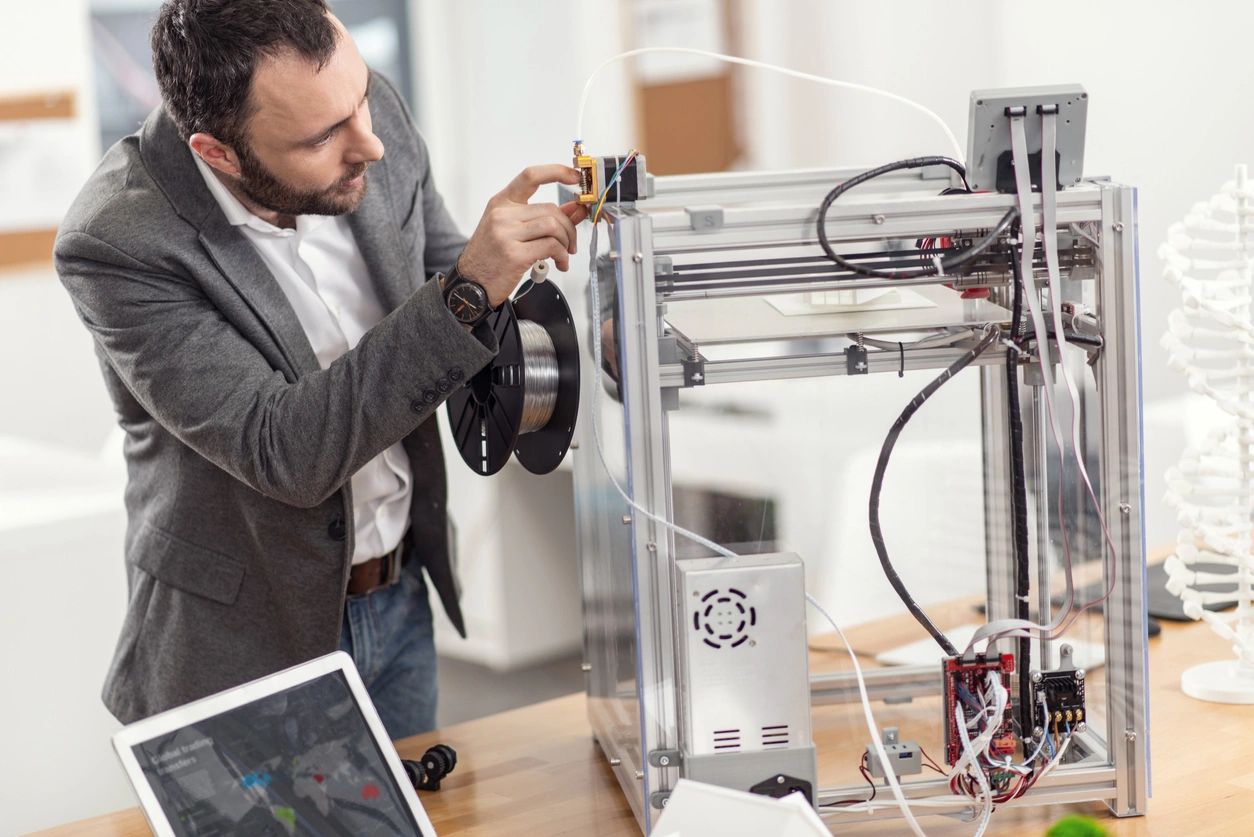
Scaling production is as much a strategic challenge as it is a logistical one. Before committing to any growth plan, three areas deserve your honest attention. [caption id="attachment_74594" align="aligncenter" width="500"] Photo by Elements Interactive[/caption]