
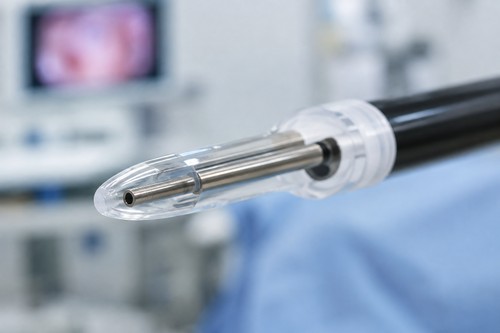
21 Oct How Axora Medical’s HERizon™ System Approaches Diagnostic Hysteroscopy
Editorial Notice: This post is intended for healthcare professionals and is for general information only. Product specifications and intended uses are as described by the manufacturer. Device selection and use should follow current product labeling and instructions for use, clinician training and credentialing requirements, and facility protocols. Products named or linked in this post are not warranted or endorsed by MedicalResearch.com or Eminent Domains Inc.
Healthcare teams evaluating abnormal uterine bleeding and other intrauterine concerns need a practical way to assess the uterine cavity while aligning equipment choices with their clinical setting, planned procedures, and staff workflow.
Hysteroscopy enables direct viewing of the cervical canal and uterine cavity. It may be used to investigate causes of heavy or abnormal bleeding and to identify or treat conditions such as polyps, fibroids, adhesions, retained tissue, or a misplaced intrauterine device. The best equipment choice depends on the clinical objective, patient factors, provider training, and the facility's established protocols.