Beauty Care-Cosmetic Procedures, Dermatology / 08.06.2026

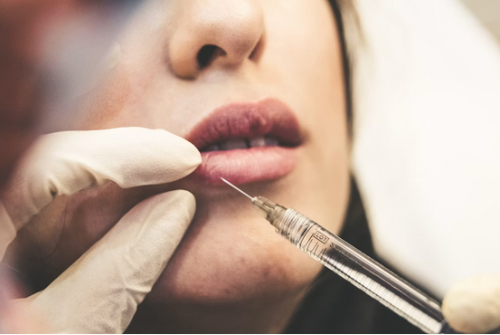
[caption id="attachment_74153" align="aligncenter" width="500"]Commonly Asked Questions About Botox Photo by Sam Moghadam on Unsplash[/caption] Botox has long been seen as a medical treatment exclusive to celebrities. They use it to address their fine lines and wrinkles and maintain their youthful glow. However, Botox isn't as exclusive as you think, nor is it just for wrinkles and staying young. Learn more about this globally popular treatment below.

What Does Botox Do to Your Body?

When you receive a Botox injection, also known as the botulinum toxin, it temporarily blocks the nerve chemical in your body called acetylcholine. This prevents nerve signals from reaching specific muscles, resulting in local relaxation. Over time, your nerves regenerate, and your muscle function returns as your body metabolizes the protein. This process has meant that Botox is a versatile treatment option for a range of conditions and issues beyond cosmetic purposes, such as chronic migraines, hyperhidrosis, and muscle spasms.

Beauty Care-Cosmetic Procedures, Dermatology / 01.06.2026

Botox Treatments for Facial Aesthetics Botox is a common cosmetic treatment used to reduce fine lines and wrinkles. It works by relaxing specific facial muscles that cause expression lines. Many people choose it to create a smoother and more refreshed look. The treatment is widely used in modern aesthetic care. Fine lines often appear around the eyes, forehead, and mouth. These lines develop from repeated facial movements over time. Botox helps soften these lines without changing natural facial structure. Continue reading to discover everything you need to know.
Aging / 26.05.2026

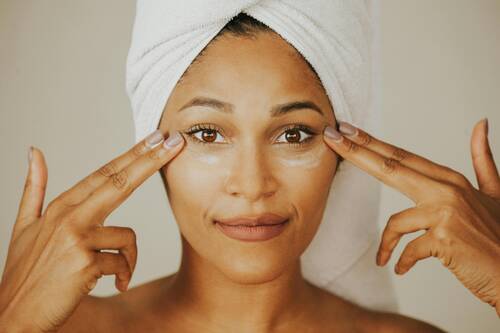
[caption id="attachment_73972" align="aligncenter" width="500"]collagen-anti-aging-developments.jpg Pexels[/caption] Collagen has become one of the most discussed topics in modern skincare and anti-aging science, and for good reason. As the most abundant protein in the human body, collagen serves as a structural foundation for skin, connective tissues, muscles, and blood vessels. It plays a major role in maintaining firmness, elasticity, hydration, and overall skin integrity. For decades, scientists and medical researchers have studied how collagen changes with age and how these changes contribute to visible signs of aging. Fine lines, wrinkles, sagging skin, and loss of elasticity are all closely linked to declining collagen production. As people increasingly seek effective and minimally invasive anti-aging solutions, collagen research has emerged as one of the most promising areas in modern aesthetic medicine.