
#audiologist Tag

Health Notice: This article is for general educational purposes only and is not a substitute for medical advice. Sudden hearing loss, in one or both ears, is a medical emergency: see a doctor right away rather than waiting for a routine hearing test. Also seek prompt medical care for hearing changes with ear pain, drainage, dizziness or vertigo, or after a head injury.

Editorial Notice: This content is not specific medical advice. Providers mentioned in this article are not warranted or endorsed by MedicalResearch.com or Eminent Domains Inc.

If you've noticed changes in how well you hear conversations or everyday sounds, a hearing test can help you get answers.

But if you've never had a hearing test before, it's normal to have questions or feel nervous. A little preparation can make your appointment more comfortable and help you get the most out of it.
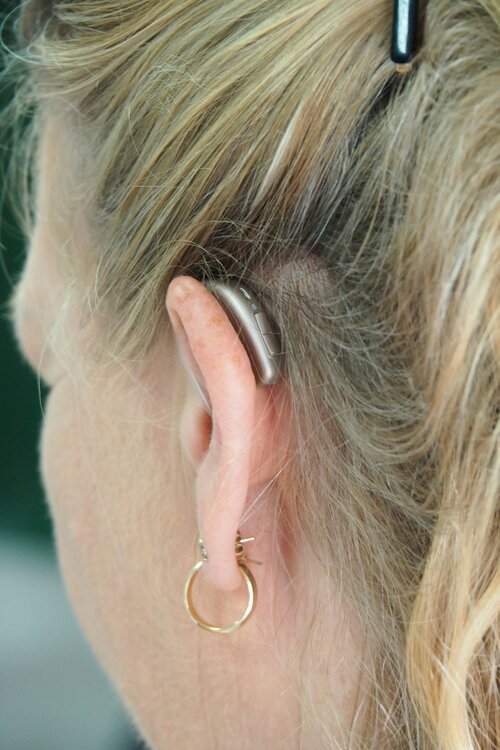
Hearing is one of those things most of us take for granted—until it starts to slip away. We often ignore the subtle signs, brushing them off as temporary or insignificant. But here's the thing: your hearing health is crucial, and neglecting it can lead to long-term issues that might have been easily preventable. So, let’s chat about the top five signs that it might be time for you to schedule a visit to an audiologist.

1. Struggling to Hear Conversations

Ever find yourself nodding along in a conversation, pretending you heard what someone said, but really, you’re just lost? Maybe you’re constantly asking people to repeat themselves, especially in places with background noise like restaurants or crowded rooms. This is a classic sign of hearing loss. When you start missing parts of conversations or have to focus intensely just to catch what's being said, it’s not something to brush off. An audiologist in Massapequa, Long Island, can assess your hearing and help you get back to enjoying conversations without the stress.

Why It Matters:

  • Social connections - Good hearing is key to maintaining strong relationships and staying socially engaged.
  • Mental health - Struggling to hear can lead to isolation, frustration, and even anxiety or depression over time.