
17 Nov How to Prepare for a Hearing Test Near You
Health Notice: This article is for general educational purposes only and is not a substitute for medical advice. Sudden hearing loss, in one or both ears, is a medical emergency: see a doctor right away rather than waiting for a routine hearing test. Also seek prompt medical care for hearing changes with ear pain, drainage, dizziness or vertigo, or after a head injury.
Editorial Notice: This content is not specific medical advice. Providers mentioned in this article are not warranted or endorsed by MedicalResearch.com or Eminent Domains Inc.
If you’ve noticed changes in how well you hear conversations or everyday sounds, a hearing test can help you get answers.
But if you’ve never had a hearing test before, it’s normal to have questions or feel nervous. A little preparation can make your appointment more comfortable and help you get the most out of it.
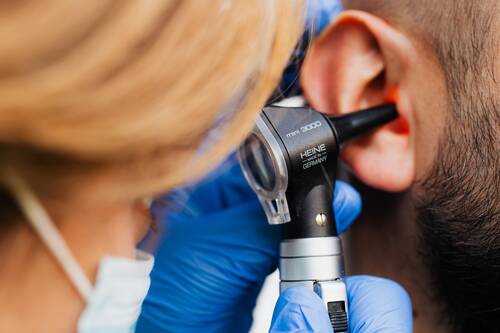
Photo by Karolina Grabowska via Pexels
Finding a free hearing test near you is one place to start. Here’s how to choose a provider, what to bring, and what to expect.
Choose the Right Hearing Test Location
When you search for a hearing test near you, a few factors can help you choose a provider that fits your needs:
- Location and how easy it is to get there (be sure to factor in follow-up appointments, not just the initial consultation)
- Credentials and specialization of the licensed hearing care professional, such as an audiologist or a licensed hearing instrument specialist
- Types of hearing evaluations offered
- Appointment availability that works with your schedule
- Whether the provider takes your insurance
- Price and payment methods accepted
It can help to check the provider’s website or call ahead to confirm what your appointment will include.
Gather Your Hearing and Medical History
Before your appointment, think about when you first noticed changes in your hearing. Symptoms worth mentioning to your provider include:
- Difficulty following conversations
- Frequently asking others to repeat themselves
- Trouble hearing in noisy environments
- Needing to turn up the volume on the TV or phone
- Ringing or other sounds in your ears
- Hearing differently in one ear than the other
If a family member or friend has noticed changes in your hearing, their observations can be valuable to share as well. You may also want to gather information about any past ear problems, hearing tests, surgeries, injuries, noise exposure at work or during hobbies, or medications you take.
If your hearing changed suddenly, don’t wait for a routine appointment: the NIDCD (National Institute on Deafness and Other Communication Disorders) advises treating sudden deafness as a medical emergency and seeing a doctor immediately.
Bring a List of Questions and Concerns
Writing your questions down before your appointment can help ensure you don’t forget to ask anything during your visit. If you have any specific concerns about your situation, start with those.
Some general questions you might ask your provider include:
- What type of hearing loss, if any, did you identify?
- Is the hearing loss affecting one ear or both?
- What might be contributing to these changes?
- Are additional tests or a medical evaluation recommended?
- What treatment or management options are available to me?
- When should I have my hearing tested again?
Your appointment is about understanding your hearing. Asking questions can help clarify what the results mean for you.
How to Prepare on the Day of Your Hearing Test
You typically don’t need to make major lifestyle changes before your test. Instead, follow any specific instructions your provider gives you. Some providers suggest avoiding very loud noise beforehand, since it can temporarily affect hearing. If you have a cold, congestion, or an ear infection, call ahead to ask whether you should reschedule.
Plan to arrive a little early so you have ample time to complete any paperwork. Bring identification, insurance information, and relevant medical records. If you already use hearing aids or other hearing devices, bring those along too.
What to Expect During the Hearing Test
A hearing test is usually non-invasive and painless. Knowing what to expect can help ease any nerves.
Here’s how your appointment might go:
- Talk with your hearing care professional: Your provider may start by getting to know you: your hearing challenges, daily needs, and medical history.
- Get a physical ear examination: Your provider may then look inside your ears for anything that could be affecting your hearing, like earwax buildup, foreign objects, signs of infection, or eardrum damage.
- Take your hearing assessment: You will typically sit in a soundproof room or booth wearing headphones while your provider plays a series of tones, speech sounds, and voices. Simply respond as you hear them. Your results are usually recorded on an audiogram to help identify any hearing loss.
Answering honestly instead of guessing what you think the examiner expects can help produce the most accurate results. If any instructions are unclear, let your provider know so they can repeat or clarify them.
A comprehensive evaluation often takes up to about an hour, while a basic screening may be much shorter.
Making Sense of Your Hearing Test Results
Once your test is complete, your hearing care professional should walk you through what your results mean and whether any further evaluation is needed. If any terms are unfamiliar, feel free to ask your provider for clarification.
Your provider may also recommend follow-up appointments. Attending those can help you monitor changes in your hearing over time. If the results suggest a medical cause, such as an infection or a problem in the middle ear, you may be referred to a physician, such as an ear, nose, and throat (ENT) specialist.
Based on your results, hearing aids may be recommended. Some locations may even offer a free trial before you decide to move forward with purchasing a device. Adults with perceived mild to moderate hearing loss may also ask whether over-the-counter hearing aids could be an option.
Get the Most Out of Your Appointment
Preparing for a hearing test starts with a few simple steps. Choose a convenient local provider, think about your hearing symptoms and medical history, write down your questions, and bring along any relevant information your provider requests.
If you come prepared, it can help your hearing care professional build a more complete picture of your hearing health. Plus, you’ll have a better understanding of your results and next steps.
For a broader overview of hearing loss research, see this MedicalResearch.com overview of hearing loss studies and expert interviews.
The information on MedicalResearch.com is provided for educational purposes only, and is in no way intended to diagnose, cure, or treat any medical or other condition. Some links are sponsored. MedicalResearch.com and Eminent Domains Inc. do not warrant or endorse products or claims made by third party links. Always seek the advice of your physician or other qualified health provider and ask your doctor any questions you may have regarding a medical condition. In addition to all other limitations and disclaimers in this agreement, service provider and its third party providers disclaim any liability or loss in connection with the content provided on this website.
Last Updated on November 17, 2026 by Marie Benz MD FAAD