

#audiology Tag

Ear Health Notice: This article is for general information only and is not medical advice. Do not insert cotton buds or other objects into the ear canal, and do not use ear candles. Do not use drops or irrigation at home if you have, or may have, a perforated eardrum, ear tubes (grommets), previous ear surgery, or ear pain or discharge. People with diabetes or a weakened immune system should see a clinician before trying home treatment. Seek prompt medical care for ear pain, discharge, bleeding, fever, dizziness, or sudden hearing loss. Sudden hearing loss in one ear should be assessed urgently.

Editorial Notice: Clinics and providers named or linked in this article are not warranted or endorsed by MedicalResearch.com or Eminent Domains Inc.

Ear wax is one of the most common reasons people visit a primary care clinic or audiologist, and one of the most misunderstood. It is routinely treated as dirt to be scrubbed away, when in physiological terms it is a protective secretion with a self-clearing mechanism that works well for most people most of the time.

Problems arise when that mechanism is disrupted or overwhelmed, producing impaction. This article summarises what is generally understood about cerumen, why impaction occurs, who is most at risk, and how the main removal methods compare, drawing on guidance published by otolaryngology and audiology bodies.
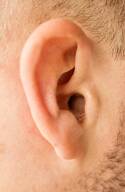
Hearing is often described as a simple act of receiving sound, but in reality it’s a deeply interactive process. Every noise, voice, or melody you encounter sets off an intricate exchange between your ears and your brain. Your brain sorts through the chaos, interprets patterns, and gives meaning to what you hear. When hearing weakens, this seamless coordination becomes strained, and the brain must work harder to keep up. When sound input becomes faint or distorted, the brain starts compensating by trying to reconstruct what was missed. That extra mental effort drains cognitive resources that would normally support attention, memory, and comprehension. People may not notice the load they’re carrying until they begin feeling mentally tired, overwhelmed in conversation, or unable to follow speech in groups. Hearing loss also affects the brain’s auditory centers—the areas responsible for interpreting sound and supporting higher-level thinking skills. When these pathways receive less stimulation, they can weaken, which may influence broader cognitive functions over time. This connection helps explain why untreated hearing difficulties often coincide with challenges in focus, processing, or recall. Social behavior plays a role as well. When hearing becomes a struggle, many individuals gradually step back from group interactions or noisy environments. With fewer conversations and less meaningful auditory engagement, the brain loses important practice. This creates a circular pattern: difficulty hearing leads to less participation, which then reduces the brain’s exposure to the very stimulation that keeps it sharp.