Orthopedics, Pain Research / 27.04.2026

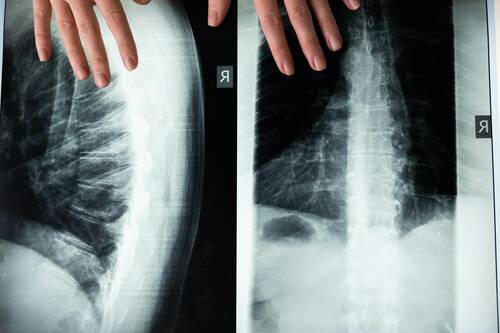
[caption id="attachment_73406" align="aligncenter" width="500"]recovery-after-scoliosis-surgery.jpg Pexels image[/caption] People spend months mentally preparing themselves for scoliosis surgery, but rarely consider the extent of recovery after scoliosis surgery. Healing can take the better part of a year, and it's a far more layered process than most patients expect. While most people understandably focus on the operation itself, the recovery process is just as consequential. Patients and parents worry about the pain, how long normal life will be on hold, and what "back to normal" entails. Setting realistic expectations about the physical healing, emotional adjustment, and day-to-day post-operation experience will make the process feel more manageable and a little less intimidating.

Orthopedics, Surgical Research / 10.10.2024

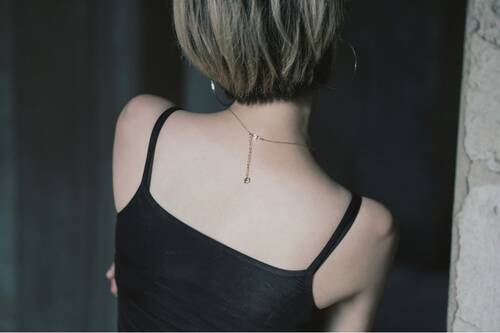
[caption id="attachment_63914" align="aligncenter" width="500"]scoliosis Photo by VK bro on Unsplash[/caption] Scoliosis is a medical condition where the spine curves sideways, and it can significantly impact a person’s quality of life. In severe cases, surgery is usually recommended to avoid health complications further down the road. Fortunately, advancements in scoliosis surgery mean minimally invasive techniques are on the rise. In this article, we’ll explore these innovative methods and how they’re transforming scoliosis care. 

Understanding Minimally Invasive Scoliosis Surgery 

Minimally invasive surgery (MIS) for scoliosis marks a shift from traditional open surgery to methods that involve smaller incisions and less disruption to the body’s tissue. Surgeons use specialized tools and technology to perform precision surgery with less physical impact, leading to faster recovery and less post-surgery discomfort.