Posted at 12:03h
in
Emergency Care
Most emergencies do not happen in hospitals. They happen at home, at work, on the sports field or in the middle of a family dinner.
In those first few minutes, the person standing closest matters more than any doctor miles away. What they know, or do not know, can change everything.
That is the quiet power of first aid. It turns an ordinary bystander into someone who can keep another person alive until help arrives.
Yet most of us go years without ever refreshing these skills, if we ever learned them at all.
Key Takeaways
● In a medical emergency, the first few minutes often decide the outcome, long before paramedics arrive.
● Starting CPR quickly can double or even triple a person's chance of surviving cardiac arrest.
● First aid covers far more than CPR, from bleeding and burns to choking and dental injuries.
● Hands-on, practical training builds the confidence people need to act under pressure.
● Skills fade over time, so regular refreshers keep your knowledge sharp and current.
Why Those First Minutes Matter So Much
Cardiac arrest is one of the clearest examples. Around 350,000 cases happen outside of hospitals each year in the United States, and survival sits below 10 percent.
The reason is brutal math. Every minute without CPR lowers the odds, because the brain starts to suffer the moment oxygen-rich blood stops flowing.
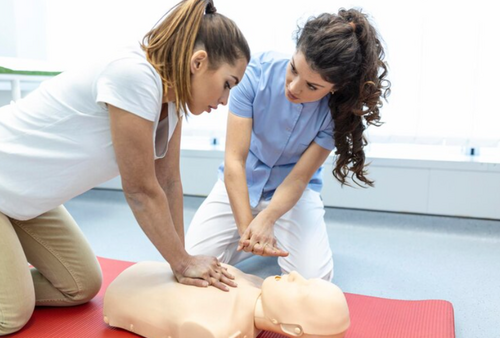
When a bystander starts CPR straight away, survival can rise sharply. Research shows early chest compressions can double or even triple a person's chance of making it.
The problem is rarely willingness. It is that most people freeze because they are not sure what to do.
According to the
American Heart Association, nearly 90 percent of people who suffer out-of-hospital cardiac arrest die, largely because bystander CPR is not initiated quickly enough — making first aid training one of the most impactful public health interventions available.