
09 Jun The Everyday Skill That Could Save a Life
Most emergencies do not happen in hospitals. They happen at home, at work, on the sports field or in the middle of a family dinner.
In those first few minutes, the person standing closest matters more than any doctor miles away. What they know, or do not know, can change everything.
That is the quiet power of first aid. It turns an ordinary bystander into someone who can keep another person alive until help arrives.
Yet most of us go years without ever refreshing these skills, if we ever learned them at all.
Key Takeaways
● In a medical emergency, the first few minutes often decide the outcome, long before paramedics arrive.
● Starting CPR quickly can double or even triple a person’s chance of surviving cardiac arrest.
● First aid covers far more than CPR, from bleeding and burns to choking and dental injuries.
● Hands-on, practical training builds the confidence people need to act under pressure.
● Skills fade over time, so regular refreshers keep your knowledge sharp and current.
Why Those First Minutes Matter So Much
Cardiac arrest is one of the clearest examples. Around 350,000 cases happen outside of hospitals each year in the United States, and survival sits below 10 percent.
The reason is brutal math. Every minute without CPR lowers the odds, because the brain starts to suffer the moment oxygen-rich blood stops flowing.
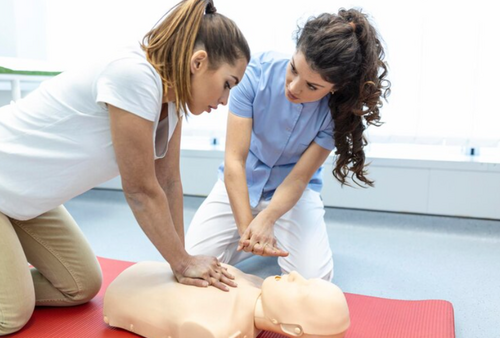
When a bystander starts CPR straight away, survival can rise sharply. Research shows early chest compressions can double or even triple a person’s chance of making it.
The problem is rarely willingness. It is that most people freeze because they are not sure what to do.
According to the American Heart Association, nearly 90 percent of people who suffer out-of-hospital cardiac arrest die, largely because bystander CPR is not initiated quickly enough — making first aid training one of the most impactful public health interventions available.
First Aid Is About More Than CPR
CPR gets the headlines, but everyday emergencies come in many forms. Choking, severe bleeding, burns, allergic reactions and falls are all far more common.
Knowing how to keep someone calm and stable can stop a bad situation from becoming a tragedy. Often it is the simple early steps that make the biggest difference.
Even a knocked-out tooth has a short window where quick action helps. Practical guides on emergency dental care show how acting fast after an accident can protect long-term health.
Emergencies rarely give warning. The more situations you can handle, the more useful you become when it actually counts.
The Confidence Gap
Surveys consistently find a gap between people who have done some training and people who feel ready to use it. Knowledge on paper is not the same as muscle memory.
Fear of doing something wrong holds many people back. They worry about hurting the person or being blamed if things go poorly.
Good training closes that gap. It replaces hesitation with a clear sequence of steps you can lean on when the adrenaline takes over.
Knowing What to Do in Common Emergencies
Choking is a good example. A few seconds of back blows and abdominal thrusts can clear an airway before the situation turns critical.
Heavy bleeding is another. Firm, direct pressure on a wound buys precious time and is something almost anyone can do with a little guidance.
Defibrillators have also become common in shopping centers, gyms and offices. These machines talk you through each step, though knowing the basics first removes the panic.
Burns, fainting and allergic reactions round out the list of things worth understanding. None of them demand advanced medical skill, just a calm head and a bit of know-how.
First Aid Belongs Everywhere
Workplaces are an obvious setting, and many roles now require at least one trained first aider on site. It is treated as basic safety rather than a nice extra.
Homes are where a lot of emergencies actually unfold, especially with young children or older relatives around. Being the one who stays calm there is invaluable.
Sports clubs, community groups and everyday road users all benefit from having someone nearby who knows what to do. Preparedness has a way of spreading once a few people lead.
Why Hands-On Training Beats Watching a Video
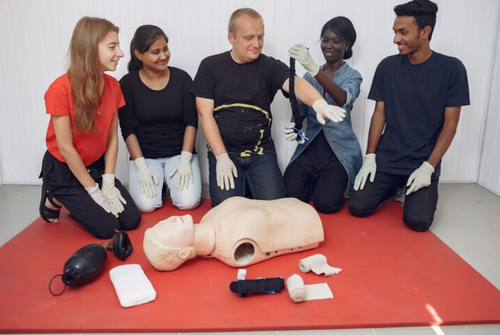
You can read about chest compressions all day, but your hands learn differently. Pressing on a manikin, feeling the right depth and pace, is what makes the skill stick.
This is where practical courses earn their value. An instructor can correct your technique, run realistic scenarios and answer the questions a video never could.
For anyone wanting to build that confidence, accredited First Aid Training North Brisbane providers deliver nationally recognized courses led by working paramedics and frontline healthcare professionals. Learning from people who use these skills in the field adds a layer textbooks cannot match.
Many providers now offer same-day certification and flexible scheduling, which makes it far easier to fit training around a busy life.
Keeping Your Skills Sharp
First aid is not a one-time achievement. Like any skill, it fades without use, which is exactly why refresher courses exist.
Guidelines also evolve as research improves. What was taught a decade ago can differ from current best practice, so updating your knowledge matters.
A quick refresh every year or two keeps your response sharp. It is a small commitment for something that could one day save a life.
Conclusion
We tend to assume emergencies happen to other people, right up until they do not. The truth is that anyone can find themselves first on the scene.
Learning first aid is one of the few skills that protects the people around you, not just yourself. It costs little time and asks for no special talent.
A short course today could be the reason someone goes home to their family tomorrow. Few things you ever learn will matter quite that much.
Frequently Asked Questions
Do I need any medical background to learn first aid?
No. First aid courses are designed for everyday people, with no prior experience needed. The steps are taught in a clear, practical way that anyone can follow.
How long does a typical first aid course take?
Many full courses run for a single day, while CPR-only sessions can be shorter. Some providers offer same-day certification once you complete the practical assessment.
Can I really hurt someone by performing CPR?
Doing nothing is far riskier than acting. CPR can occasionally cause a minor injury such as a cracked rib, but that is small compared with the alternative of no intervention at all.
How often should I refresh my training?
Most guidance suggests a refresher every one to two years. This keeps your technique sharp and makes sure you are following the latest recommendations.
Is online first aid training enough on its own?
Online learning is useful for the theory, but hands-on practice is what builds real confidence. A blended approach, or an in-person course, is usually the most effective.
Disclaimer: The information on MedicalResearch.com is provided for educational purposes only, and is in no way intended to diagnose, cure, or treat any medical or other condition. Some links are sponsored. Products, services and providers are not warranted or endorsed by MedicalResearch.com or Eminent Domains Inc. Always seek the advice of your physician or other qualified health and ask your doctor any questions you may have regarding a medical condition. In addition to all other limitations and disclaimers in this agreement, service provider and its third party providers disclaim any liability or loss in connection with the content provided on this website.
Last Updated on June 9, 2026 by Marie Benz MD FAAD