#firstaid Tag

Most emergencies do not happen in hospitals. They happen at home, at work, on the sports field or in the middle of a family dinner. In those first few minutes, the person standing closest matters more than any doctor miles away. What they know, or do not know, can change everything. That is the quiet power of first aid. It turns an ordinary bystander into someone who can keep another person alive until help arrives. Yet most of us go years without ever refreshing these skills, if we ever learned them at all.

Key Takeaways

● In a medical emergency, the first few minutes often decide the outcome, long before paramedics arrive. ● Starting CPR quickly can double or even triple a person's chance of surviving cardiac arrest. ● First aid covers far more than CPR, from bleeding and burns to choking and dental injuries. ● Hands-on, practical training builds the confidence people need to act under pressure. ● Skills fade over time, so regular refreshers keep your knowledge sharp and current.

Why Those First Minutes Matter So Much

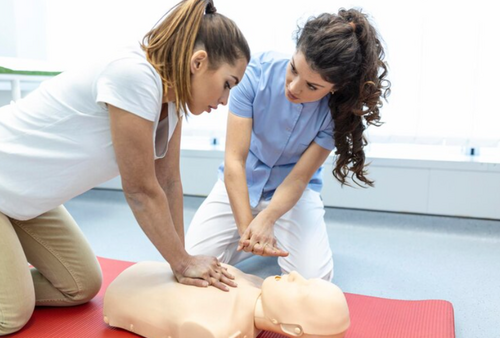
Cardiac arrest is one of the clearest examples. Around 350,000 cases happen outside of hospitals each year in the United States, and survival sits below 10 percent. The reason is brutal math. Every minute without CPR lowers the odds, because the brain starts to suffer the moment oxygen-rich blood stops flowing. When a bystander starts CPR straight away, survival can rise sharply. Research shows early chest compressions can double or even triple a person's chance of making it. The problem is rarely willingness. It is that most people freeze because they are not sure what to do. According to the American Heart Association, nearly 90 percent of people who suffer out-of-hospital cardiac arrest die, largely because bystander CPR is not initiated quickly enough — making first aid training one of the most impactful public health interventions available.

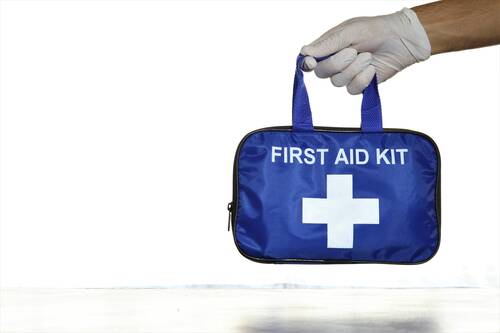
Whether preparing for emergencies or stocking a medical facility, having the right medical supplies can mean the difference between life and death. What are the most needed medical supplies? [caption id="attachment_64312" align="aligncenter" width="500"]first-aid-kit Source[/caption] First aid kits, bandages, antiseptics, pain relievers, prescription medications, and personal protective equipment (PPE) are the most essential medical supplies. These items account for over 80% of basic medical needs in emergency and routine situations.   While this list covers the basics, it's important to keep reading because the specific medical supplies you need can vary significantly based on your situation – whether you're stocking a home first aid kit, preparing for a natural disaster, or equipping a medical facility. Understanding these scenarios will help you make better-informed decisions about which supplies to prioritize.

If you find yourself in an emergency situation, then it is important that you have a fully functioning first aid kit to hand. This should be a small kit filled with different supplies that will be helpful for various injuries and ailments.  The Importance of Contents It is incredibly important that the contents of your first aid kit are of high quality and include everything you need – because without them, you will not be able to use the equipment to its fullest extent in an emergency, and you may lack crucial pieces. You can buy complete first aid kits online that are already full of everything you need; however, you will have to keep a list of these supplies so that you can replenish your gear as and when you need to. As such, below, this article will discuss the most crucial components that should make up your first aid kit in more detail.