Dental Research / 18.08.2025

Dental Veneers vs. Crowns When it comes to restoring damaged teeth or improving your smile's appearance, two popular dental treatments often come to mind: veneers and crowns. Both can dramatically transform your teeth, but they serve different purposes and involve distinct procedures. Understanding the differences between these treatments is crucial for making an informed decision about your dental care.

Understanding Dental Veneers

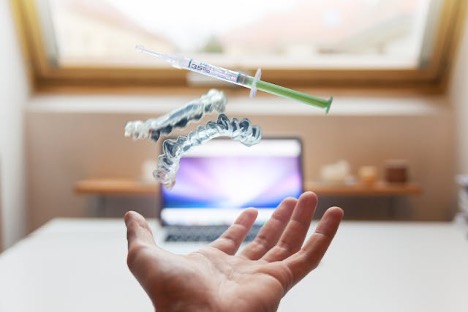
Dental veneers are thin, custom-made shells typically crafted from porcelain or composite resin that are bonded to the front surface of your teeth. Think of them as a protective and cosmetic covering that enhances the appearance of your natural teeth. “Veneers are primarily designed to address cosmetic concerns such as discoloration, minor chips, gaps between teeth, or slightly misaligned teeth,” says Orchard Family Dental, a renowned Leduc Dentist. The process of getting veneers is relatively conservative compared to other dental treatments. Your dentist will remove a small amount of enamel from the front surface of your teeth, usually about half a millimeter, to make room for the veneer. This minimal preparation helps ensure that your teeth don't appear bulky once the veneers are attached. After taking impressions of your teeth, the veneers are custom-fabricated in a dental laboratory before being permanently bonded to your teeth using special dental cement. One of the most significant advantages of veneers is their ability to provide dramatic cosmetic improvements with minimal tooth structure removal. They can instantly correct years of staining, close small gaps, and create a uniform, attractive smile. Porcelain veneers, in particular, are highly resistant to staining and can maintain their appearance for many years with proper care.

Dental Research / 01.10.2024

    Innovation in dental crowns is not just a matter of aesthetic enhancement—it's a game-changer for oral health outcomes. As technology evolves, so does our ability to restore and enhance dental health through more sophisticated and tailored treatments. Recent advancements in dental crown technology are transforming what it means to receive a crown, making the procedures quicker, more accurate, and far less intrusive than ever before. These innovations extend beyond mere improvements in materials or techniques; they redefine the patient experience and elevate the standard of care provided. By integrating cutting-edge materials with state-of-the-art fabrication processes, dental professionals can now offer solutions that look remarkably natural, function better, and last longer. This leap in dental technology not only enhances the efficiency of treatments but also significantly improves the overall oral health outcomes for patients across the globe.
Anesthesiology, Dental Research, Surgical Research / 05.08.2024

  [caption id="attachment_62725" align="alignleft" width="200"]https://www.pexels.com/photo/woman-having-a-dental-check-up-3845625/ Image Source[/caption] Medical professionals often inquire about dental crowns before surgery due to potential complications linked to anesthesia and medical equipment. Crowns can interfere with certain procedures, such as the use of airway management tools, requiring extra precautions in the operating room. Patients with dental crowns may face risks like dislodgment or damage during intubation, highlighting the need for careful planning. This ensures both the safety and effectiveness of the surgery, minimizing unexpected issues. Understanding these considerations can ease concerns and foster better communication between patient and doctor. By informing the surgical team about dental work, individuals can help ensure their procedure goes smoothly.