
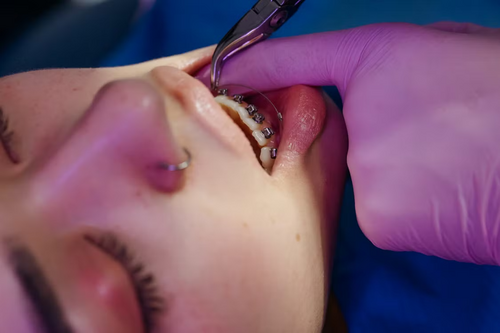
22 Jun Advances in Orthodontic Treatment and Patient Care
Source[/caption]
How Modern Orthodontics Has Changed: Technology, Comfort, and Personalized Care
Have you ever looked at an old photo and noticed how braces seemed to be almost a rite of passage for teenagers? Rows of shiny metal brackets once defined orthodontic treatment. Today, the experience is changing fast. New technologies, smarter treatment planning, and a stronger focus on patient comfort have transformed orthodontics into a field that is more precise, convenient, and personalized than ever before. Understanding these advances helps patients make informed decisions while appreciating how far modern dental care has come.
How Orthodontics Has Changed Over Time
Orthodontic treatment has evolved from a process focused mainly on straightening teeth to one that considers overall oral health, facial balance, and long-term stability. Traditional braces remain effective, but they are no longer the only option available to patients seeking better alignment.
Digital imaging, computer-assisted treatment planning, and improved materials have dramatically increased accuracy. Instead of relying heavily on physical impressions and manual adjustments, orthodontists can now create detailed treatment plans based on precise digital models. The result is often a smoother experience with fewer surprises along the way.

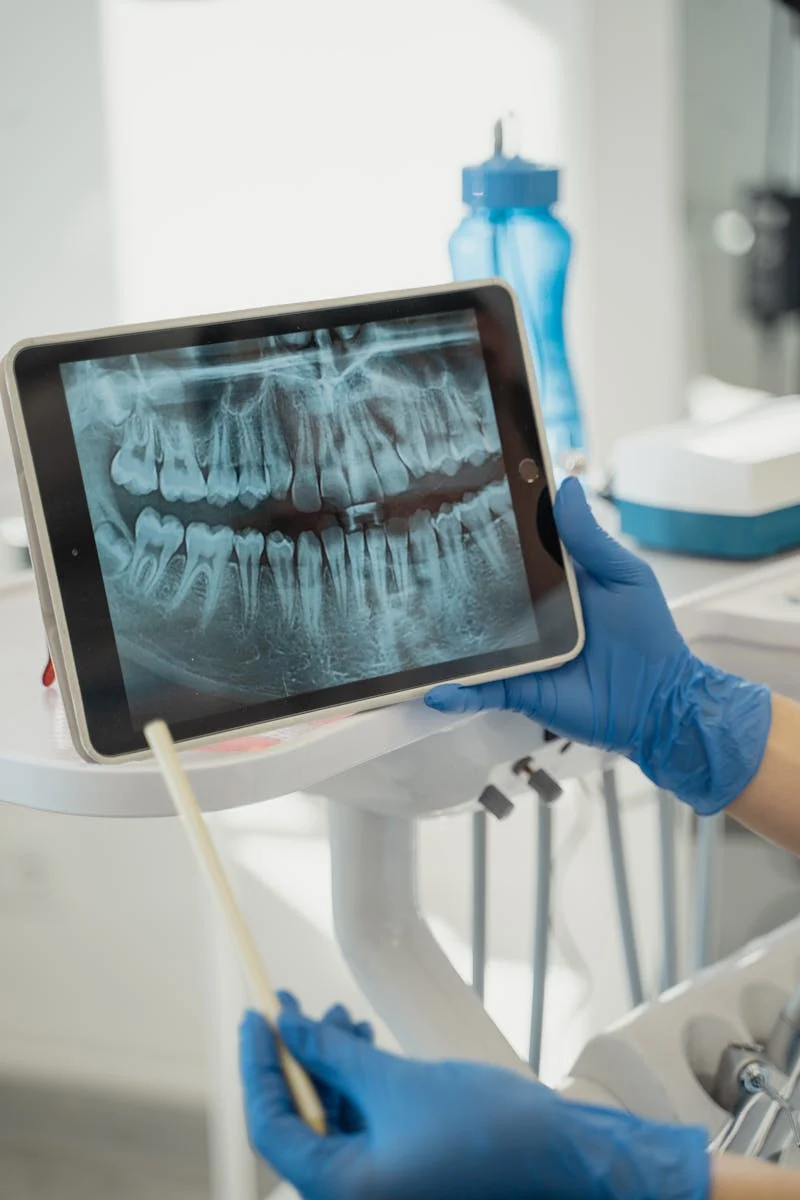
 Advancements in dental technology are transforming patient care, making procedures more precise, efficient, and comfortable. These innovations, from digital diagnostics to minimally invasive treatments, help dentists enhance oral health while improving patient experiences.
Digital Imaging and AI-Assisted Diagnostics
Traditional X-rays are being replaced by advanced digital imaging systems that provide clearer, more detailed views of teeth and gums. Cone beam computed tomography (CBCT) offers 3D imaging, allowing dentists to diagnose issues with unprecedented accuracy. Artificial intelligence (AI) is also making an impact by analyzing images to detect cavities, gum disease, and other conditions earlier than ever before. This leads to faster, more effective treatment plans.
Laser Dentistry for Painless Procedures
Advancements in dental technology are transforming patient care, making procedures more precise, efficient, and comfortable. These innovations, from digital diagnostics to minimally invasive treatments, help dentists enhance oral health while improving patient experiences.
Digital Imaging and AI-Assisted Diagnostics
Traditional X-rays are being replaced by advanced digital imaging systems that provide clearer, more detailed views of teeth and gums. Cone beam computed tomography (CBCT) offers 3D imaging, allowing dentists to diagnose issues with unprecedented accuracy. Artificial intelligence (AI) is also making an impact by analyzing images to detect cavities, gum disease, and other conditions earlier than ever before. This leads to faster, more effective treatment plans.
Laser Dentistry for Painless Procedures