
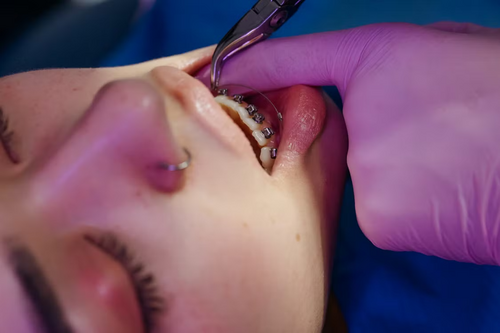
22 Jun Advances in Orthodontic Treatment and Patient Care
How Modern Orthodontics Has Changed: Technology, Comfort, and Personalized Care
Have you ever looked at an old photo and noticed how braces seemed to be almost a rite of passage for teenagers? Rows of shiny metal brackets once defined orthodontic treatment. Today, the experience is changing fast. New technologies, smarter treatment planning, and a stronger focus on patient comfort have transformed orthodontics into a field that is more precise, convenient, and personalized than ever before. Understanding these advances helps patients make informed decisions while appreciating how far modern dental care has come.
How Orthodontics Has Changed Over Time
Orthodontic treatment has evolved from a process focused mainly on straightening teeth to one that considers overall oral health, facial balance, and long-term stability. Traditional braces remain effective, but they are no longer the only option available to patients seeking better alignment.
Digital imaging, computer-assisted treatment planning, and improved materials have dramatically increased accuracy. Instead of relying heavily on physical impressions and manual adjustments, orthodontists can now create detailed treatment plans based on precise digital models. The result is often a smoother experience with fewer surprises along the way.
Digital Technology Is Reshaping Care
One of the most noticeable changes in modern orthodontics is the use of digital technology throughout the treatment process. Three-dimensional scans can replace uncomfortable impression trays, creating highly detailed images of a patient’s teeth and bite within minutes. These scans help orthodontists identify issues that may have been harder to detect in the past.
Patients also benefit from greater access to information. Treatment simulations can show projected results before treatment begins, making discussions more meaningful and easier to understand. Search for the best orthodontist near me to explore treatment possibilities and compare modern practices that offer advanced technology.
Clear Aligners Continue to Gain Popularity
Clear aligners have become one of the most significant developments in orthodontics over the past two decades. Their nearly invisible appearance appeals to both teenagers and adults who prefer a more discreet alternative to traditional braces.
Beyond aesthetics, aligners offer practical advantages. Since they can be removed for eating and brushing, patients often find it easier to maintain oral hygiene during treatment. Success still depends on wearing them as directed, but advances in aligner materials and treatment software have expanded the range of cases that can be treated effectively with this approach.
Smarter Braces Deliver Better Results
Although clear aligners attract considerable attention, braces themselves have undergone impressive improvements. Modern brackets are smaller, more comfortable, and less noticeable than earlier versions. The bulky hardware many adults remember from childhood has largely become a thing of the past.
New wire technologies also contribute to greater efficiency. Some advanced wires apply consistent pressure over longer periods, reducing the need for frequent adjustments. Patients may experience fewer office visits while still progressing toward their treatment goals. It is a reminder that innovation does not always mean replacing old methods; sometimes it means refining them until they work better than ever.
Artificial Intelligence Improves Treatment Planning
Artificial intelligence is beginning to play an important role in orthodontics. By analyzing large amounts of patient data, AI systems can help identify patterns and support treatment planning decisions. While orthodontists remain fully responsible for patient care, these tools provide valuable insights that enhance precision.
The use of AI also helps streamline workflows. Treatment simulations, progress tracking, and outcome predictions can often be completed more efficiently than before. In a healthcare environment where time is valuable for both providers and patients, these improvements contribute to a more responsive and personalized experience.
Remote Monitoring Enhances Convenience
Many orthodontic practices now offer remote monitoring programs that allow patients to share progress updates without visiting the office as frequently. Using smartphone applications and digital photographs, orthodontists can evaluate treatment progress between scheduled appointments.
This approach benefits busy families, working professionals, and students who may struggle to fit regular appointments into their schedules. It also allows potential concerns to be identified earlier. There is a certain irony in the fact that a device often blamed for excessive screen time is now helping improve dental care from the comfort of home.
Patient Comfort Is a Bigger Priority
Modern orthodontics recognizes that successful treatment involves more than moving teeth into the correct position. Patient comfort, communication, and overall experience have become major priorities. Practices increasingly focus on reducing anxiety and making treatment easier to understand.
Educational tools, digital progress updates, and personalized care plans help patients feel more involved in the process. Advances in materials have also reduced irritation and discomfort compared with earlier generations of orthodontic appliances. These changes encourage better treatment compliance and create a more positive relationship between patients and providers.
Early Intervention Creates Better Outcomes
One of the most important advances in orthodontic care is the growing emphasis on early evaluation and preventive treatment. The American Association of Orthodontists recommends that children receive an orthodontic assessment by age seven, allowing specialists to identify developing problems before they become more complex.
Early intervention can help guide jaw growth, create space for incoming permanent teeth, and reduce the risk of severe crowding later in life. Not every child will need immediate treatment, but monitoring growth patterns gives orthodontists valuable opportunities to act at the right time. This proactive approach often shortens future treatment, lowers overall costs, and helps patients avoid more invasive procedures as they get older, making long-term oral health easier to maintain.
The Future of Orthodontic Care
The future of orthodontics points toward even greater personalization. Technologies such as 3D printing, advanced imaging systems, and predictive analytics are expected to further improve treatment accuracy and efficiency. Customized appliances designed specifically for an individual’s anatomy may become increasingly common.
As these innovations continue to develop, the central goal remains unchanged: helping patients achieve healthy, functional, and confident smiles. The difference is that modern orthodontic care can often accomplish this goal with greater comfort, precision, and convenience than previous generations could have imagined. What once felt like a lengthy and sometimes awkward journey is becoming a more streamlined experience, proving that even something as familiar as braces can benefit from remarkable technological progress.
Disclaimer: The information on MedicalResearch.com is provided for educational purposes only, and is in no way intended to diagnose, cure, or treat any medical or other condition. Opinions expressed are those of the Contributing Writer and do not represent the views of MedicalResearch.com or Eminent Domains Inc. Some links are sponsored. Products, services and providers are not warranted or endorsed by MedicalResearch.com or Eminent Domains Inc. Always seek the advice of your physician or other qualified health provider and ask your doctor any questions you may have regarding a medical condition. In addition to all other limitations and disclaimers in this agreement, service provider and its third party providers disclaim any liability or loss in connection with the content provided on this website.
Last Updated on June 22, 2026 by Marie Benz MD FAAD