Dental Research / 30.01.2026

[caption id="attachment_72185" align="aligncenter" width="500"]common-bite-problems Image Source[/caption] Bite problems are more common than many people realize, yet they often remain unnoticed until they begin to interfere with daily comfort and oral health. A bite refers to how the upper and lower teeth come together when the mouth closes. When alignment issues occur, they can affect chewing, speech, and long-term dental stability. In growing communities like Antioch, where access to routine dental care continues to expand, more individuals are becoming aware of how bite alignment influences overall oral health. Understanding common bite problems allows people to recognize early warning signs and seek timely evaluation. Learning about these conditions helps reduce the risk of complications that may affect oral function over time.
Dental Research / 19.08.2025

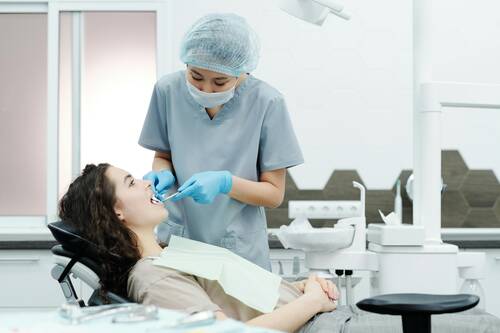
[caption id="attachment_70335" align="aligncenter" width="500"]orthodontics-with-periodontal-disease Photo by Andrea Piacquadio[/caption] Periodontal disease is a serious oral health condition that necessitates the help of a dental professional. Due to the severity of this disease, there are various steps that must take place to reverse it or slow down its progression. But what if you decide to get orthodontic treatment to realign your smile? Can you still get braces or another orthodontic appliance when you have periodontal disease? There’s no clear-cut answer, as every case differs. Below, we’ll walk you through the steps typically taken for periodontal disease patients before undergoing orthodontic treatment. Initial Consultation Every patient receives an initial assessment before receiving orthodontic treatment. This is standard for each prospective patient. This inspection, however, is especially critical for those with periodontal disease or other oral health concerns. During this consultation, the orthodontist will not only determine what type of orthodontic treatment the patient could benefit from, but also if they’re a good candidate for such treatment. For someone with periodontal disease, the orthodontist will want to do a more exhaustive consultation to ensure compatibility with treatment.
Dental Research, General Medicine / 08.07.2025

[caption id="attachment_69402" align="aligncenter" width="500"]Why Minor Discomfort Often Hides Major Health Issues
source[/caption] In the intricate system that is the human body, not all signs of trouble announce themselves with urgency. A faint twinge here, a nagging ache there—many people chalk up these seemingly minor discomforts as everyday inconveniences. However, dismissing subtle symptoms can be like ignoring the tip of an iceberg, unaware of the massive structure lurking beneath the surface. Just as an iceberg conceals its true size below water, minor physical discomforts may be indicators of more complex, underlying health problems. Whether in a bustling city or a quiet town like Naperville, recognizing these signs early can significantly alter the trajectory of one’s long-term well-being. Beneath the Smile: Subtle Symptoms in Oral Health Oral health often mirrors the overall state of a person's body, yet it is one of the most neglected aspects of healthcare. A slight gum irritation, minor bleeding while brushing, or persistent bad breath are frequently overlooked as temporary or harmless. But these seemingly minor issues can point to deeper concerns like periodontal disease, systemic infections, or even diabetes. One of the most common examples of this "iceberg illusion" is seen in jaw alignment and dental crowding. Individuals may dismiss occasional jaw pain, mild clicking sounds when chewing, or pressure in the mouth as inconsequential. However, these issues can signify malocclusions or orthodontic irregularities that, if left untreated, may lead to severe headaches, temporomandibular joint disorders (TMJ), or chronic tooth wear. People often tolerate these symptoms until they begin to interfere with their daily life. Yet, early intervention through dental assessments can catch developing conditions before they become complex. In such cases, the best approach is proactive care. Start by searching for Naperville orthodontics near me online to book an appointment. Recognizing the value of regular orthodontic checkups, even for seemingly minor issues, can lead to early diagnosis and streamlined treatment strategies.

Dental Research / 12.05.2025

Innovations in orthodontic care In the evolving field of orthodontics, staying at the forefront of technology is essential for achieving the best patient outcomes. Recent advancements in orthodontic techniques are revolutionizing how treatments are planned and executed. From AI-driven tools to innovative materials, these developments are reshaping patient care. As you delve into the world of modern orthodontics, it's clear that local professionals, such as an orthodontist rochester, are instrumental in integrating these advancements into daily practice, enhancing the overall patient experience. Orthodontic care has undergone significant transformations with the advent of new technologies and materials. These changes are enhancing treatment precision and improving patient satisfaction. With AI-driven treatment planning, orthodontists can predict treatment outcomes with greater accuracy, allowing for more personalized and efficient care plans. This technological evolution represents a shift towards more data-driven approaches, ensuring that each patient receives tailored treatments suited to their unique needs.
Dental Research, Sleep Disorders / 09.05.2025

orthodontics-better-sleep

Orthodontic care is increasingly recognized for its potential to improve sleep quality. By addressing oral structural issues, these treatments can alleviate symptoms of sleep apnea, leading to healthier sleep patterns. Understanding these benefits can guide individuals in seeking effective solutions for better rest. The relationship between orthodontic care and sleep quality has become a significant area of interest in medical research. Misaligned oral structures can obstruct airways during sleep, causing conditions like sleep apnea. Orthodontic treatments, such as braces or aligners, aim to correct these misalignments, potentially reducing apnea episodes and enhancing sleep quality. By consulting with professionals, individuals can explore personalized solutions that address their specific needs, ultimately leading to improved sleep health. For those residing in Missouri, consulting an orthodontist st louis can provide tailored solutions that align with their specific needs. Recent studies have demonstrated that proper dental alignment plays a vital role in maintaining optimal airway function during sleep. When teeth and jaw structures are properly aligned, the tongue naturally rests in a position that promotes better breathing. This alignment creates more space in the oral cavity, reducing the likelihood of airway obstruction during sleep cycles. Additionally, correct dental alignment can help prevent common issues like mouth breathing, which often disrupts natural sleep patterns and leads to poor quality rest. The impact of orthodontic intervention on sleep quality extends beyond physical adjustments. When oral structures are properly aligned, patients often experience reduced anxiety about their breathing patterns, leading to easier sleep onset. This psychological benefit compounds the physical improvements, creating a comprehensive approach to better rest. Regular orthodontic evaluations can help identify potential issues early, allowing for preventive measures that maintain optimal sleep conditions throughout life.
Dental Research / 09.05.2025

 orthodontic solutions impact TMJ discomfort Dental misalignment is significantly connected to temporomandibular joint (TMJ) discomfort, affecting numerous individuals. Understanding this link is essential for developing effective treatment strategies. This article explores orthodontic interventions and collaborations with physical therapy to manage TMJ-related issues effectively. Many people experience discomfort due to malocclusion, which is a misalignment of the teeth that can lead to TMJ issues. These problems often manifest as jaw pain, headaches, and difficulty in chewing. The role of an orthodontist Houston TX becomes pivotal in addressing these concerns by providing tailored treatments that consider the unique needs of each patient. As you explore solutions for TMJ discomfort, it is essential to understand the potential impacts of orthodontic care on your overall well-being.
Dental Research, Pediatrics / 09.05.2025

sports-related-dental-injuries

Each year, many young athletes suffer from dental injuries that could be prevented with the right precautions. Orthodontic solutions, such as braces and mouthguards, are essential in protecting these young smiles. Understanding and implementing these measures is crucial for maintaining oral health during sports activities. As a parent or coach, ensuring the safety of young athletes is a top priority, particularly when it comes to their oral health during sports. Dental injuries can be painful and lead to long-term issues if not properly managed. Consulting with an orthodontist peoria il can provide valuable insights into protective measures to prevent these injuries. This article explores the importance of dental safety, offering preventive strategies and recommendations to keep young athletes' smiles safe.
Dental Research / 27.03.2025

Revolutionizing orthodontic care The field of orthodontics has undergone a profound transformation, ushering in a new era of patient care. Modern techniques are not only revolutionizing how treatments are administered but also significantly enhancing patient experiences. By focusing on both comfort and efficiency, these innovations are setting new benchmarks for successful treatment outcomes. Orthodontic care has seen significant evolution over recent years, with cutting-edge advancements redefining patient experiences and improving treatment results. With the integration of modern technologies, orthodontists can now offer solutions that were once considered futuristic. As an individual seeking orthodontic treatment, understanding these advancements can help you make informed decisions about your dental health. For those in the area, considering an orthodontist fond du lac might provide access to these advanced care options.
Dental Research / 05.03.2025

myths-about-braces-debunked Deciding to undergo orthodontic treatment with braces is a big decision; of course, it comes with questions. There are plenty of braces myths floating about, some harmless and some that can cause confusion. Today, we'll clear things up by giving you straight, factual answers that are simple to understand.

Myth 1: Braces are only for kids and teens

This is just a myth. Yes, getting braces as a young person gives you a much greater chance of faster results. However, you can still get adult braces. Some studies show that more and more adults are going for orthodontic treatment. The reasons range from cosmetic to functional, and there’s no wrong reason to choose to have your teeth straightened. In fact, as an adult you might be more likely to follow through with your orthodontic treatment plan. Whether you need basic metal braces or something like Invisalign, you can still have a beautiful smile.
Dental Research / 17.12.2024

[caption id="attachment_65551" align="aligncenter" width="500"]orthodontic-expertise Pexels image[/caption] In today’s world, the significance of a vibrant, healthy smile cannot be overstated. The field of orthodontics, with its advanced procedures and technology, offers a myriad of solutions to transform your smile. This branch of dentistry, focusing on diagnosing, preventing, and treating dental irregularities, provides personalized, thorough treatment plans, to cater to an individual’s unique needs. As we explore deeper into this topic, we shall uncover the intricate details of these orthodontic procedures, while highlighting the potential benefits that go beyond aesthetic appeal. The question remains, are you ready to start on the journey for a transformed smile?

Understanding the Role of Orthodontics

The territory of orthodontics, a specialized branch within the vast field of dentistry, plays a pivotal role in enhancing oral health and improving smiles. Tracing back its orthodontic history, the concept of teeth straightening has been in existence since the time of the ancient Egyptians, with continuous evolution and advancement in techniques and technologies over the centuries.  Orthodontics, in its modern form, is not merely about aesthetics; it is an integral component of all-encompassing oral health care. The treatment philosophy of orthodontics encompasses the diagnosis, prevention, interception, and correction of malocclusion, as well as other abnormalities of the developing or mature orofacial structures.  For those seeking expert care from a professional orthodontist, personalized treatment plans can employ a diverse range of appliances, from traditional braces to Invisalign. It is a territory which lays a significant emphasis on patient education, empowering individuals to make informed decisions about their oral health.  Orthodontics, as a field, continues to innovate and evolve, with a constant push towards less invasive and more efficient treatments. This dedication to progress and patient care underscores the importance of orthodontics in the territory of dentistry and beyond.
Dental Research / 12.12.2024

Orthodontics, beyond its aesthetic benefits, plays a critical role in maintaining oral health, a concept that is often overlooked. Henderson experts argue that orthodontics is not merely about straightening teeth for a beautiful smile, but it is primarily about creating a healthy mouth environment. They underscore the role of orthodontics in preventing serious oral health complications including tooth decay, gum disease, TMJ disorders, and sleep apnea, among others. How, then, does orthodontics manage to accomplish this? The answer lies within the evolving field of orthodontic treatments and the growing understanding of oral health among professionals. orthodontic-insights.jpg

Understanding Orthodontics

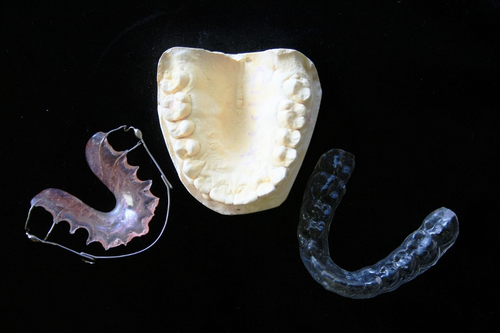
Delving into the domain of orthodontics, one immediately encounters a discipline that plays an integral role in oral health. Orthodontics, a specialized branch of dentistry, focuses on correcting teeth and jaw alignment issues through the use of various appliances. An understanding of orthodontic terminology is a key component in comprehending this complex field. Orthodontic terminology includes a vast array of terms that describe conditions, processes, and equipment used in treatments. For instance, malocclusion refers to irregular alignment of the teeth, while brackets, commonly known as braces, are devices attached to teeth to correct such alignment issues. Additionally, retainers are appliances often used post-treatment to maintain the desired tooth position. In recent years, there have been significant advancements in orthodontic treatment methods, enhancing their effectiveness and improving patient comfort. The advent of clear aligners, such as Invisalign, has revolutionized the industry, offering a virtually invisible method for straightening teeth. In addition, the use of temporary anchorage devices (TADs) has increased precision in tooth movement, providing excellent results for complex cases. The science of orthodontics, with its specialized terminology and treatment advancements, is an essential aspect of oral health, contributing to improved aesthetics and functionality.
Dental Research / 11.12.2024

Orthodontic expanders are crucial in contemporary dental treatments, addressing both dental and skeletal discrepancies. These devices help create the necessary space in the mouth, facilitating proper alignment and bite. With advancements in technology, expanders have become more effective and versatile than before. [caption id="attachment_65434" align="aligncenter" width="500"]role-of-orthodontics Source: Bazoom AI[/caption] In orthodontics, expanders are essential tools used to address various issues related to dental misalignment and jaw discrepancies. They work by gradually widening the upper jaw to ensure that teeth are properly aligned and function efficiently. The significance of these devices lies in their ability to correct issues early on, potentially reducing the need for more invasive procedures in the future. Consulting with an orthodontist stevens point can provide valuable insights into the best treatment options available.
Dental Research / 19.10.2024

[caption id="attachment_64108" align="aligncenter" width="500"]orthodontics-smile Source[/caption] Key Takeaways
  • Orthodontic treatments offer a range of benefits beyond aesthetics, such as improved oral health and function.
  • Technology has broadened treatment options, providing more comfort and effective results for patients.
  • Personalized care is essential for achieving optimal orthodontic outcomes.
Introduction to Orthodontic Options Orthodontics offers a transformative journey towards achieving a straighter smile, healthier teeth, and improved self-confidence. With numerous orthodontic options available, understanding the nuances of each can significantly affect choice and outcomes. This guide explores various orthodontic methods and delves into the considerations that can make a difference in one's dental journey.
Dental Research / 23.09.2024

If you're considering Invisalign treatment to straighten your teeth, you're likely wondering about the cost and what factors might influence it. In Mill Creek, WA, Invisalign offers a discreet and effective way to achieve a perfect smile, but understanding the cost can help you make an informed decision. This guide will provide an overview of Invisalign costs, factors that affect pricing, and ways to manage expenses. [caption id="attachment_63452" align="aligncenter" width="500"]invisalign Source[/caption]

What Is Invisalign?

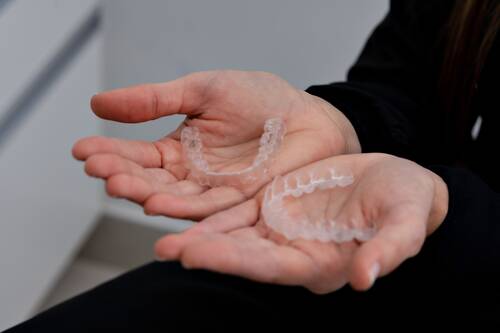
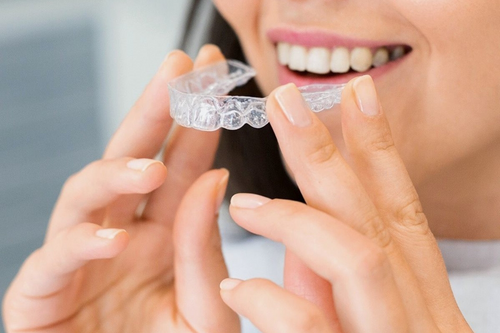
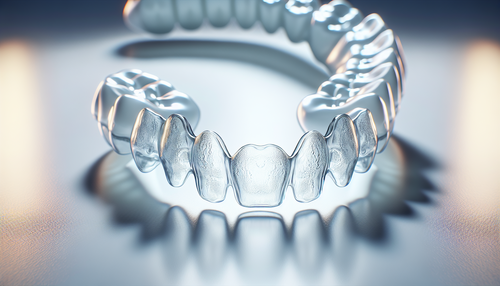
Invisalign is an orthodontic treatment that uses clear, removable aligners to straighten teeth. Unlike traditional braces, which use metal brackets and wires, Invisalign aligners are virtually invisible, making them a popular choice for adults and teens who want a more discreet treatment option. The aligners are custom-made to fit your teeth and gradually shift them into the desired position.
Dental Research / 23.09.2024

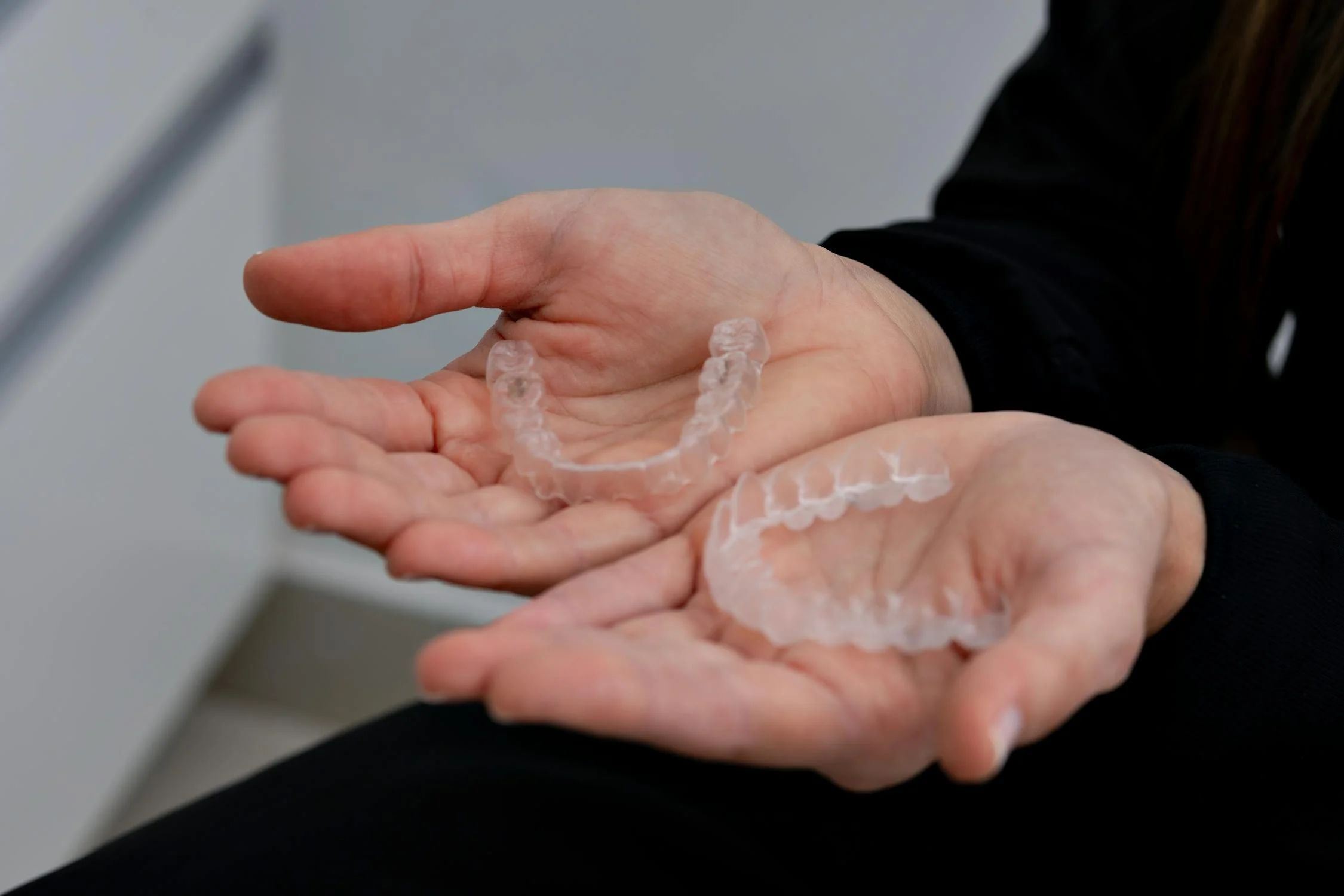
In the quest for a perfect smile, many people in Mount Holly, NJ, are turning to Invisalign as a discreet and effective alternative to traditional braces. Invisalign clear aligners offer a modern solution for straightening teeth without the use of wires or brackets. If you’re exploring affordable Invisalign options in Mount Holly, this guide will help you navigate the best choices for orthodontic treatment in your area. [caption id="attachment_63227" align="aligncenter" width="333"]dental_pexels-shvetsa-3845985 Source[/caption]

Understanding Invisalign

Invisalign is a popular orthodontic treatment that uses a series of clear, removable aligners to gradually straighten teeth. Unlike traditional braces, which use metal brackets and wires, Invisalign aligners are virtually invisible and can be removed for eating, brushing, and flossing. This makes them a convenient option for many adults and teens who prefer a more discreet approach to orthodontics.
Dental Research / 03.07.2024

[caption id="attachment_62190" align="alignleft" width="200"]oral-health-dental-care Image Source[/caption] Oral health is a crucial aspect of overall well-being, affecting people of all ages, from toddlers to the elderly. It goes beyond just having a bright smile; good oral hygiene can prevent a range of health issues, including gum disease, infection, and heart disease. To safeguard the dental health of every family member, adopting comprehensive oral care practices is essential. This article delves into practical tips that will help maintain excellent oral hygiene for the whole family, ensuring everyone enjoys a healthy, vibrant smile.
  1. Start Oral Hygiene Early
The foundation of good oral health is laid in early childhood. It's vital to introduce children to oral hygiene practices as soon as their first tooth appears. Parents should gently brush their baby’s teeth with a soft-bristled brush and a tiny smear of fluoride toothpaste. As children grow, they can be taught to brush their own teeth under supervision until they can manage on their own, usually around the age of six. Early exposure to regular dental care instills lifelong habits that prevent many dental problems.
  1. Regular Dental Checkups
Routine dental checkups are indispensable for maintaining oral health at all ages. These visits allow dentists to detect issues early on, such as cavities, gum disease, and even misalignments that might require orthodontic attention. For families seeking specialized dental care, particularly in orthodontics, it is helpful to look up the keyword certified orthodontists near me on a search engine. This will help locate qualified professionals who can assess and correct dental alignments, ensuring optimal oral health and functionality.
Thank you for visiting MedicalResearch.com Senior Editor, Marie Benz MD. For more information please email: info@MedicalResearch.com

This website is certified by Health On the Net Foundation. Click to verify. This site complies with the HONcode standard for trustworthy health information:
verify here.