
06 Jul Aligners in Mumbai: The Complete Guide to Straightening Your Teeth Invisibly
Crooked or gapped teeth as an adult used to mean metal brackets and months of feeling self-conscious in photos. Aligners in Mumbai changed that completely — a set of clear, removable trays that gradually shift your teeth into place without a single piece of visible metal. If you’ve been considering this option but aren’t sure how the process actually works, here’s the complete breakdown, written to answer the questions most patients actually ask before booking a consultation.
Before committing to any orthodontic treatment, it’s worth understanding how clear aligners compare to other options — a question explored in depth in this overview of clear aligners versus traditional braces.
What Are Aligners and How Do They Work?
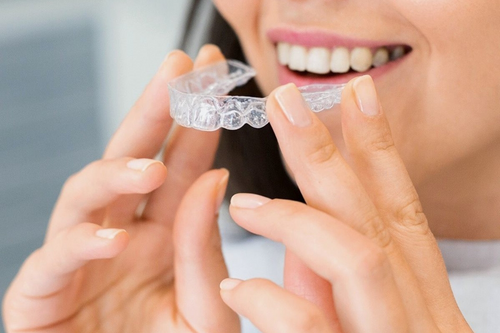
Aligners are custom-made clear plastic trays, created from a 3D scan of your teeth, that apply gentle pressure to move them step by step toward their ideal position. Instead of one fixed appliance, a full course of treatment is actually a series of trays, each one slightly different from the last, worn for one to two weeks before moving to the next in the sequence. Worn for 20–22 hours a day, the trays do their work quietly in the background of your daily life.
Aligners vs Traditional Braces
The biggest practical difference is that these trays are removable, while braces are fixed for the entire treatment duration. This means the trays can be taken out to eat, brush, and floss normally, while braces require more careful cleaning around brackets and wires. They’re also far less visible, which is why working professionals and anyone uncomfortable with a “metal mouth” tend to prefer them. That said, braces remain more effective for certain complex bite and jaw alignment issues that this approach alone may not fully correct, a distinction the American Association of Orthodontists advises patients to discuss with a qualified clinician.
Who Are Aligners Best Suited For?
This treatment works especially well for mild to moderate crowding, gaps between teeth, and minor relapse after old orthodontic treatment from years ago. If you had braces as a teenager but stopped wearing your retainer, it’s often the fastest way to correct that drift back. More complex skeletal bite problems may still need braces, or a combined approach — which is exactly why a digital scan and proper consultation matters far more than guessing your own suitability from social media before-and-afters.
The Treatment Process, Step by Step
Your journey starts with a 3D scan and a digital treatment plan that shows you a preview of your final result before any tray is made. From there, you receive your full set of Aligners, switching to a new tray every one to two weeks as instructed. Periodic check-ins let your dentist track progress and adjust your plan if your teeth are moving faster or slower than expected. Once treatment is complete, a retainer phase locks your results in place long-term.
How Much Does It Cost?
Pricing depends on how many trays your case requires, which in turn depends on how much correction is needed. A minor relapse case might only need 10–12 trays, while more significant crowding could require 30 or more. Most clinics provide a clear, fixed quote for your full course of aligners in Mumbai after the initial 3D scan, rather than billing for each adjustment the way traditional braces sometimes do.
Will It Hurt or Affect My Speech?
Mild pressure for the first day or two of each new tray is completely normal — it’s simply a sign the tray is actively working. Most people adjust their speech within a few days of starting treatment and stop noticing the trays in their mouth altogether by the second or third week. A slight lisp in the very first days is common with new wearers and almost always resolves on its own.
Success Depends on You
Unlike braces, which work regardless of patient compliance, this treatment only works if you actually wear the trays for the recommended hours each day. Skipping wear time, or forgetting to switch trays on schedule, is the single biggest reason treatment timelines run longer than planned. The convenience of being removable comes with the responsibility of consistency, which is worth being honest with yourself about before committing.
One underrated benefit is how little it disrupts daily life once you’re used to it — because the trays are removable, there are no dietary restrictions the way there are with fixed braces, and the daily routine of inserting and removing them becomes second nature within the first week or two.
Why Plan Your Aligners Treatment at Dent Heal
Dent Heal uses digital scanning and precision treatment planning to map every stage of your journey accurately from day one, backed by an MDS-qualified team with 15+ years of clinical experience. Across centres in Bandra, Juhu, Prabhadevi, and Oshiwara, your progress is actively monitored at every stage, not just checked at the very end.
Frequently Asked Questions About Aligners
Patients often ask how many hours a day the trays actually need to be worn — the answer is 20–22 hours, with removal only for eating, drinking anything besides water, and brushing. Another common question is whether this treatment works for everyone; while most mild to moderate cases respond very well, a consultation and 3D scan are the only reliable way to confirm whether it alone will achieve your specific goals or whether a combined approach is needed.
Curious if aligners in Mumbai can straighten your smile invisibly? Book a digital scan with Dent Heal and get your personalised treatment timeline on your very first visit.
Disclaimer: The information on MedicalResearch.com is provided for educational purposes only, and is in no way intended to diagnose, cure, or treat any medical or other condition. Some links are sponsored. Products, services and providers are not warranted or endorsed by MedicalResearch.com or Eminent Domains Inc. Always seek the advice of your physician or other qualified health provider and ask your doctor any questions you may have regarding a medical condition. In addition to all other limitations and disclaimers in this agreement, service provider and its third party providers disclaim any liability or loss in connection with the content provided on this website.
Last Updated on July 6, 2026 by Marie Benz MD FAAD