#ClearAligners Tag

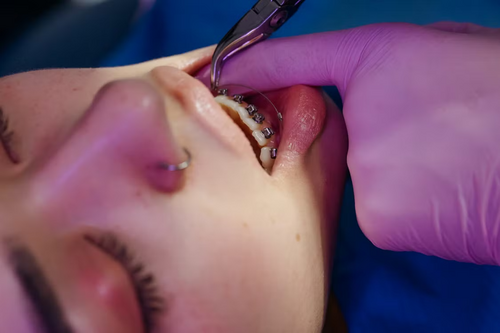
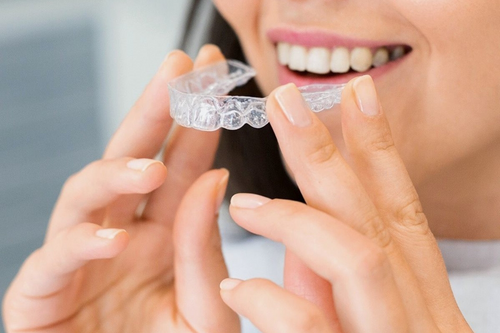
Crooked or gapped teeth as an adult used to mean metal brackets and months of feeling self-conscious in photos. Aligners in Mumbai changed that completely — a set of clear, removable trays that gradually shift your teeth into place without a single piece of visible metal. If you've been considering this option but aren't sure how the process actually works, here's the complete breakdown, written to answer the questions most patients actually ask before booking a consultation.

Before committing to any orthodontic treatment, it's worth understanding how clear aligners compare to other options — a question explored in depth in this overview of clear aligners versus traditional braces.aligners-in-mumbai

[caption id="attachment_74407" align="aligncenter" width="500"]eye-health-by-age-pexels.jpg Pexels[/caption]

How Eye Care Priorities Change Across Adulthood: What to Know at Every Age

MedicalResearch.com Interview with: John F. Doane, M.D. Discover Vision Centers

John F. Doane, M.D., from Discover Vision Centers, notes that eye care priorities can change across adulthood, even when a patient's vision seems stable. In younger adults, eye care may focus on prevention, visual comfort, contact lens safety, and establishing a baseline. In midlife, near-vision changes often become more noticeable. Later in life, screening and monitoring for cataracts, glaucoma, diabetic eye disease, age-related macular degeneration, and retinal symptoms become more important.

The clinical point is not that every adult follows the same timeline. Risk varies by family history, medical conditions, medications, occupational exposures, prior surgery, and symptoms. Age is still a useful framework for understanding why eye exams may change over time.

[caption id="attachment_74404" align="aligncenter" width="500"]advances-orthodontic-care.png Source[/caption] How Modern Orthodontics Has Changed: Technology, Comfort, and Personalized Care

Have you ever looked at an old photo and noticed how braces seemed to be almost a rite of passage for teenagers? Rows of shiny metal brackets once defined orthodontic treatment. Today, the experience is changing fast. New technologies, smarter treatment planning, and a stronger focus on patient comfort have transformed orthodontics into a field that is more precise, convenient, and personalized than ever before. Understanding these advances helps patients make informed decisions while appreciating how far modern dental care has come.

How Orthodontics Has Changed Over Time

Orthodontic treatment has evolved from a process focused mainly on straightening teeth to one that considers overall oral health, facial balance, and long-term stability. Traditional braces remain effective, but they are no longer the only option available to patients seeking better alignment.

Digital imaging, computer-assisted treatment planning, and improved materials have dramatically increased accuracy. Instead of relying heavily on physical impressions and manual adjustments, orthodontists can now create detailed treatment plans based on precise digital models. The result is often a smoother experience with fewer surprises along the way.