Legal-Malpractice, Nursing Homes / 07.05.2026

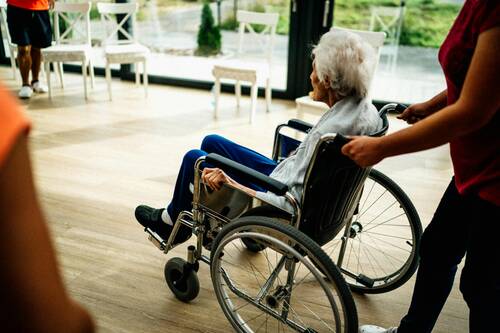
[caption id="attachment_73610" align="aligncenter" width="500"]Tracking Nursing Home Abuse Pexels[/caption]

A look at the landmark reports, federal reforms, and persistent measurement gaps that have shaped how the United States counts abuse in long-term care.

In 1986, the Institute of Medicine (now the National Academy of Medicine) published a study that would reshape American long-term care policy for a generation. Commissioned by Congress, "Improving the Quality of Care in Nursing Homes" concluded that quality of care and quality of life in many U.S. nursing homes were not satisfactory and that abuse and neglect were common in facilities receiving Medicare and Medicaid funds. That report led directly to the 1987 Omnibus Budget Reconciliation Act, which contained the Federal Nursing Home Reform Act, the most significant overhaul of nursing home regulation since the creation of Medicare itself in 1965. Forty years on, the historical data tells a more complicated story than a clean before-and-after. The reforms changed what facilities are required to do. They also changed what gets measured, how it gets measured, and what we now know is being missed.
Aging, Nursing Homes / 13.03.2025

  [caption id="attachment_67043" align="aligncenter" width="500"]steps-to-prevent-elder-abuse Photo courtesy of Pexels[/caption] Growing old comes with different health issues and loss of cognitive abilities. As people age, they become physically frail and struggle to protect and stand up for themselves. Elder abuse is the mistreatment of an older person, which can occur in different forms, including physical, emotional, and sexual harm, financial exploitation, or neglect of their welfare and basic needs by those entrusted with their care. It is a serious issue and a violation of human rights that can lead to physical injuries and can have long-term psychological and emotional consequences. According to the World Health Organization (WHO), around one out of every six elders face abuse each year, and this risk is even higher in places like nursing homes and long-term care facilities. This can be prevented to some extent by following these steps:

1.   Recognize the Signs of Elder Abuse

Being aware of the warning signs of elder abuse is the first step in its prevention. If you suspect abuse but aren't sure, the following are the common signs that you should look for:
  • Unusual financial transactions or missing cash or items.
  • Unexplained bruises, burns, or injuries.
  • Withdrawal from social activities or sudden changes in behavior.
  • Poor hygiene or signs of malnutrition.
  • Fear or hesitation when speaking about a caregiver or family member.
These indicators can alert loved ones or caregivers so they can intervene and take precautions before the situation worsens.