Dental Research, Pediatrics / 15.05.2026

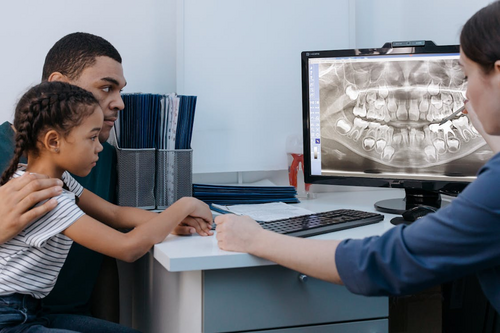
[caption id="attachment_73788" align="aligncenter" width="500"]Preventive Wellness During Childhood Source[/caption]

Preventive Wellness During Childhood: Why Parents Should Pay More Attention

A lot of parents pay attention to childhood wellness once something feels obviously wrong. A bad cough, constant exhaustion, trouble focusing in school, emotional outbursts, or sleep problems usually trigger concern fast. The quieter habits often slip through unnoticed because they do not look urgent in the moment. Skipping routine appointments, inconsistent sleep schedules, too much screen time, rushed meals, and bottled-up stress can slowly shape how kids feel physically and emotionally for years without creating one dramatic warning sign. Preventive wellness is getting more attention now because healthcare providers are seeing how many long-term struggles actually start with everyday patterns that look harmless early on. Parents are especially noticing this in busy places like Tribeca in New York, where family schedules move nonstop. Kids bounce between school, activities, packed afternoons, and heavy screen exposure while parents try to keep routines together around demanding workdays and city life. Wellness can quietly become something reactive instead of consistent. More families are starting to slow down and look at childhood health differently now.
Health Care Workers, Mental Health Research / 15.05.2026

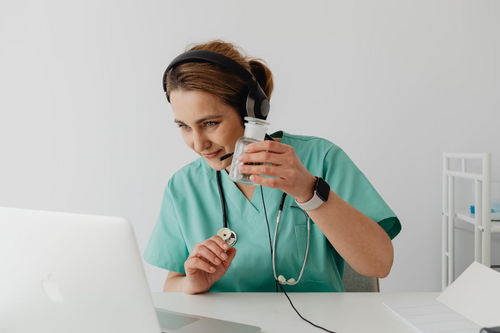
[caption id="attachment_73784" align="aligncenter" width="500"]Long-Term Mental Wellness Needs Source[/caption]

How Modern Healthcare Is Redefining Emotional Wellness Support

Modern healthcare is finally starting to acknowledge something people have quietly felt for years. Emotional wellness cannot realistically be handled through rushed appointments and short-term crisis conversations alone. Stress, burnout, anxiety, emotional fatigue, and long-term mental strain rarely disappear after one visit or one difficult week. People carry pressure from work, family routines, financial concerns, social expectations, and nonstop digital stimulation every single day, which means emotional wellness support now needs to function much more consistently within healthcare systems instead of appearing only during emergencies. The conversation around mental wellness changed because people increasingly want support that feels ongoing, practical, and connected to everyday life rather than isolated treatment moments separated by long gaps in care. Healthcare systems are adapting because emotional wellness has become impossible to separate from long-term physical health, work performance, sleep quality, relationships, and overall daily functioning. Hospitals, clinics, wellness programs, and healthcare providers are creating models focused more heavily on communication, consistency, and patient support over time.