
15 May Preventive Wellness During Childhood
Preventive Wellness During Childhood: Why Parents Should Pay More Attention
A lot of parents pay attention to childhood wellness once something feels obviously wrong. A bad cough, constant exhaustion, trouble focusing in school, emotional outbursts, or sleep problems usually trigger concern fast. The quieter habits often slip through unnoticed because they do not look urgent in the moment. Skipping routine appointments, inconsistent sleep schedules, too much screen time, rushed meals, and bottled-up stress can slowly shape how kids feel physically and emotionally for years without creating one dramatic warning sign. Preventive wellness is getting more attention now because healthcare providers are seeing how many long-term struggles actually start with everyday patterns that look harmless early on.
Parents are especially noticing this in busy places like Tribeca in New York, where family schedules move nonstop. Kids bounce between school, activities, packed afternoons, and heavy screen exposure while parents try to keep routines together around demanding workdays and city life. Wellness can quietly become something reactive instead of consistent. More families are starting to slow down and look at childhood health differently now.
Preventive Dental Visits
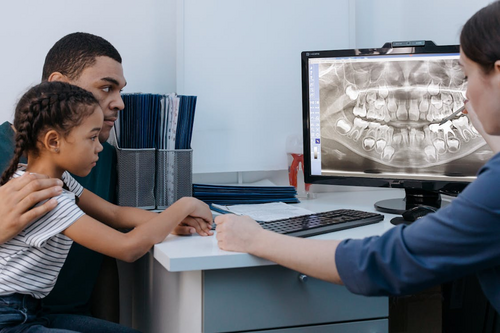
Dental visits are one of those things parents sometimes treat like a basic checkbox during childhood, but they often reveal way more than people expect. Dentists regularly notice small concerns tied to breathing habits, jaw development, grinding, stress behaviors, oral hygiene routines, and even sleep-related issues before those patterns become bigger problems later. Kids also tend to show discomfort in subtle ways that adults miss at home because children adapt quickly instead of clearly explaining what feels wrong. Preventive visits create a chance to catch such issues while they are still manageable.
The experience itself matters too. Children who feel nervous, rushed, or overwhelmed during healthcare visits can start associating appointments with stress very early. That is why many families now look for spaces designed specifically around younger patients instead of expecting kids to adjust to adult-centered environments. Tribeca Dental Studio 4 kids stands out because the goal is not simply getting through an appointment quickly. Parents increasingly want children to feel comfortable enough that preventive care becomes normal instead of intimidating, and that is precisely what this clinic provides.
Tracking Developmental Changes
Parents see their children every single day, which ironically makes gradual changes harder to notice sometimes. Tiny shifts in posture, focus, energy, growth, mood, or developmental patterns can blend into normal daily life until somebody outside the routine points them out clearly. Regular wellness checkups help create those outside observations before concerns quietly snowball into something harder to manage later. Preventive care works best when it catches patterns early instead of waiting for children to struggle visibly first.
A lot of pediatric appointments now involve conversations far beyond basic physical exams too. Providers ask about routines, sleep, behavior, friendships, stress, activity levels, and emotional regulation because childhood development affects multiple areas of life at once. Parents often leave routine checkups realizing something they assumed was just a phase actually deserves closer attention.
Childhood Nutrition Habits
Food routines during childhood shape way more than physical growth. Kids build emotional habits around eating surprisingly early, especially once rushed schedules, convenience meals, heavy snacking, or screen-based eating become part of everyday life. Many parents notice later that children are not simply reacting to food itself. They are reacting to the routine surrounding it. Skipped breakfasts, inconsistent dinners, sugary snacks replacing actual meals, and constant eating on the go slowly affect focus, energy, mood, and even sleep quality over time.
The challenge is that modern schedules make balanced routines harder than people admit. Families are busy. Kids move from school to sports to homework while parents juggle work and responsibilities at the same time. Nutrition can quietly become survival-based instead of intentional. Preventive wellness conversations are pushing parents to look at consistency more realistically now because eating habits built during childhood often stick around far longer than expected.
Emotional Wellness
Children deal with stress much earlier than many adults realize. School pressure, overstimulation, social dynamics, packed schedules, digital overload, and emotional frustration all affect kids differently depending on personality and environment. The problem is that children rarely explain emotional stress clearly at first. It usually shows up through irritability, sleep problems, withdrawal, headaches, focus issues, or sudden changes in behavior instead. Preventive emotional wellness matters because waiting until kids are completely overwhelmed makes communication much harder afterward.
More parents are starting conversations earlier now instead of treating emotional wellness like something discussed only during major struggles. Kids who feel comfortable talking openly about stress, embarrassment, frustration, or anxiety often manage those emotions more confidently later because communication already feels normal instead of uncomfortable. Preventive support here is really about building emotional vocabulary and trust gradually over time. Children do much better once they know they can explain difficult feelings without immediately being dismissed, rushed, or judged.
Preventive Screenings
Some kids struggle in school or social situations for months before anybody realizes the issue may actually involve vision or hearing. Children adapt incredibly fast, which means they often assume everyone else experiences the world the same way they do. A child sitting too close to screens, missing instructions in class, or losing focus constantly may not realize anything is wrong enough to mention it clearly. Preventive screenings help catch those smaller issues before they start affecting confidence, learning, or communication long-term.
Parents naturally pay attention to report cards and behavior changes, but sensory issues can hide underneath those struggles quietly for a long time. Early testing gives families clarity before frustration builds unnecessarily around school performance or social interaction. For a broader overview of common childhood health issues, the CDC offers reliable guidance for parents navigating these concerns.
Reducing Long-Term Health Complications
A lot of long-term health issues do not suddenly appear out of nowhere during adulthood. They often build slowly through years of inconsistent routines, overlooked habits, poor sleep, limited movement, unmanaged stress, and preventive care getting pushed aside repeatedly. Childhood creates the early structure for many of those patterns. Healthcare providers increasingly focus on helping families build routines early because changing habits later usually becomes much harder once patterns feel deeply normal after years of repetition.
Preventive support is not really about trying to create perfect children or obsess over every small detail. The goal is consistency. Kids who grow up around steady sleep routines, balanced meals, regular movement, emotional support, and preventive healthcare visits usually enter adulthood with much stronger wellness foundations already in place. Small habits repeated consistently tend to shape long-term health more than dramatic one-time efforts ever do.
Preventive wellness during childhood is getting more attention because parents and healthcare providers are recognizing how many long-term habits quietly begin early. Families are focusing less on reacting after problems become obvious and more on building steady routines that help children grow with stronger physical, emotional, and developmental support from the start.
Last Updated on May 15, 2026 by Marie Benz MD FAAD