
#eyeexam Tag

[caption id="attachment_74407" align="aligncenter" width="500"]eye-health-by-age-pexels.jpg Pexels[/caption]

How Eye Care Priorities Change Across Adulthood: What to Know at Every Age

MedicalResearch.com Interview with: John F. Doane, M.D. Discover Vision Centers

John F. Doane, M.D., from Discover Vision Centers, notes that eye care priorities can change across adulthood, even when a patient's vision seems stable. In younger adults, eye care may focus on prevention, visual comfort, contact lens safety, and establishing a baseline. In midlife, near-vision changes often become more noticeable. Later in life, screening and monitoring for cataracts, glaucoma, diabetic eye disease, age-related macular degeneration, and retinal symptoms become more important.

The clinical point is not that every adult follows the same timeline. Risk varies by family history, medical conditions, medications, occupational exposures, prior surgery, and symptoms. Age is still a useful framework for understanding why eye exams may change over time.
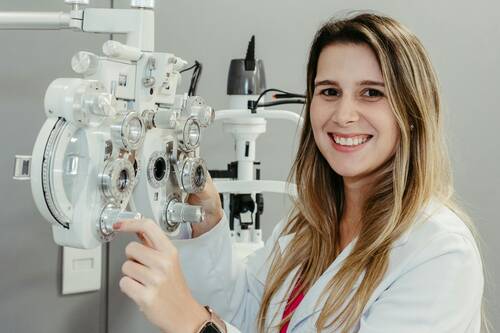
[caption id="attachment_72853" align="aligncenter" width="500"]how-often-to-get-eye-exam.jpg Photo by Jonathan Borba[/caption] Routine eye check-ups are often overlooked, especially when vision seems fine. However, regular screening plays a critical role in maintaining long-term eye health. Many eye conditions develop gradually without obvious symptoms, making early detection essential. The frequency of eye exams varies depending on age, lifestyle, and overall health. Understanding these factors can help you stay consistent with your eye care routine.

Eye Check-Ups for Children

Children rely heavily on their vision for learning and development. Undetected vision problems can affect reading, concentration, and academic performance. It is generally recommended that children undergo their first comprehensive eye exam before starting school. After that, check-ups every one to two years are advisable, depending on their needs. Parents should also watch for signs such as squinting, frequent eye rubbing, or difficulty focusing. Early detection ensures timely correction and supports proper visual development.

[caption id="attachment_72073" align="aligncenter" width="500"] Photo by Kampus Production[/caption] Waiting for a clear sign often means waiting too long. A child's vision can affect development well before they complain.   This guide explains the professional timeline for kids' eye exams. To get ahead of issues like myopia, go ahead and talk to a pediatric...