#eyehealth Tag

As we age, it is easy to brush off a dizzy spell or a nagging headache after reading to our grandchildren. We often blame dizziness, headaches, eye strain, reading trouble, or trouble focusing on normal aging, stress, fatigue, or screen use. However, sometimes the issue may involve how both eyes work together as a team, rather than just how clearly each eye sees. This article will explain how eye alignment problems can affect your daily comfort, balance, focus, and reading. If you notice these symptoms recurring or disrupting your routine, please seek a professional evaluation.

Research on visual impairment among U.S. adults and age-related eye diseases highlights how common and often overlooked vision changes can be — and why regular evaluation matters, especially as we get older.

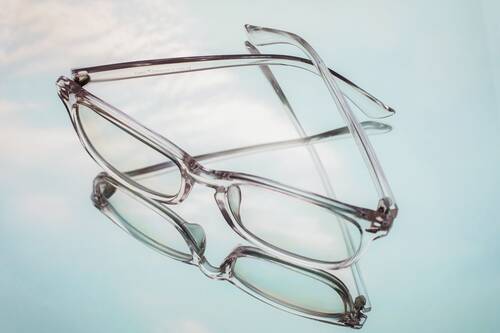
[caption id="attachment_74815" align="aligncenter" width="500"]How Eye Alignment Problems Can Affect Balance Photo by Harrison Haines[/caption]

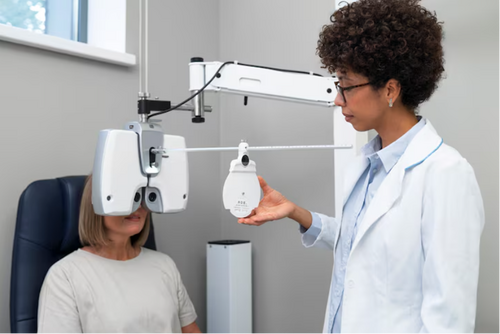
[caption id="attachment_74407" align="aligncenter" width="500"]eye-health-by-age-pexels.jpg Pexels[/caption]

How Eye Care Priorities Change Across Adulthood: What to Know at Every Age

MedicalResearch.com Interview with: John F. Doane, M.D. Discover Vision Centers

John F. Doane, M.D., from Discover Vision Centers, notes that eye care priorities can change across adulthood, even when a patient's vision seems stable. In younger adults, eye care may focus on prevention, visual comfort, contact lens safety, and establishing a baseline. In midlife, near-vision changes often become more noticeable. Later in life, screening and monitoring for cataracts, glaucoma, diabetic eye disease, age-related macular degeneration, and retinal symptoms become more important.

The clinical point is not that every adult follows the same timeline. Risk varies by family history, medical conditions, medications, occupational exposures, prior surgery, and symptoms. Age is still a useful framework for understanding why eye exams may change over time.

[caption id="attachment_73906" align="aligncenter" width="500"]Clinical Research Is Reshaping Myopia Photo by Sean Patrick[/caption] Modern optometry has fundamentally evolved. Once viewed simply as a refractive error requiring glasses, myopia is now understood to be a progressive condition with long-term implications for eye health. Recent advancements in clinical research have transformed how medical professionals approach paediatric vision care, shifting the focus from mere correction to active prevention and control. As noted in a fascinating interview exploring why so many people are near-sighted, environmental factors such as prolonged nearwork generate negative defocus on the retina, which plays a major role in driving this global trend alongside genetic predispositions. The modern lifestyle of increased indoor time and intensive educational demands has created a perfect environment for myopia development, making clinical interventions more critical than ever before.