
15 Jun The Personal Health Choices That Deserve More Than Guesswork
We research holidays for weeks and read a dozen reviews before buying a kettle. Yet when it comes to decisions about our own bodies, many of us still wing it or rely on a quick search.
Personal health choices, big and small, tend to turn out better when they start with solid information and the right professional in your corner. That holds true whether you are tweaking your appearance or making a genuinely life-changing decision.
Key Takeaways
● Personal health and lifestyle decisions are easier to get right when they are based on evidence rather than guesswork.
● Even cosmetic choices like coloured contact lenses are safest when guided by a qualified eye care professional.
● For bigger decisions such as fertility procedures, outcomes depend heavily on individual factors and expertise.
● Asking good questions and seeking qualified advice is the common thread behind confident, safe choices.
Good Decisions Start With the Basics
Before any change, big or small, it helps to know where you actually stand. Your body gives off signals all the time, and routine check-ups turn those signals into information you can use.
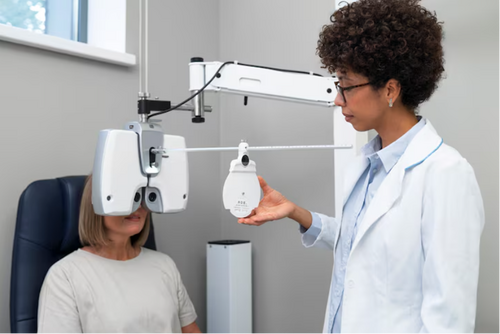
Eyes are a good example. Many conditions develop slowly with no obvious symptoms, which is why keeping up with regular eye checks matters even when your sight feels perfectly fine.
The same principle applies right across your health. A solid baseline makes every later decision clearer, because you are working from facts rather than assumptions or hope.
Think of it as gathering the facts before you act. The more clearly you understand your own starting point, the easier it is to make choices you will not quietly second-guess later on.
It also helps you ask sharper questions. Walking into any appointment with a sense of your own history means the advice you get back is more tailored and far more useful.
Small Changes That Boost Confidence
Not every health-related choice is heavy or serious. Some are simply about feeling more like yourself, and that matters more than people often admit.
These everyday choices still deserve a bit of care, just on a different scale. Getting them right usually comes down to good products paired with good advice.
Coloured contact lenses are a popular example. They let you subtly enhance your natural eye colour or try something bolder for an event, all while still correcting your vision if you need it.
How we look can shape how we feel, and a small change to your appearance can give a real lift to confidence. There is nothing shallow about wanting to feel good when you catch your own reflection.
The range of options has grown a lot in recent years too. From natural tones that gently deepen your existing eye colour to bolder shades made for a costume or a photoshoot, there is now something to suit almost every look, mood and occasion. The trick is matching the choice to your eyes rather than just the picture in your head.
The key is to treat them as the medical devices they really are. When you shop coloured contact lenses in Australia, choosing properly fitted lenses from a qualified optometrist protects your eyes while you change your look.
A proper fitting and good hygiene make all the difference here. Lenses matched to your eyes feel comfortable and lower the risk of the irritation or infection that can come with ill-fitting or novelty pairs.
It is worth steering clear of cheap costume lenses sold without any fitting. Convenience is tempting, but unregulated novelty pairs are exactly where avoidable eye problems tend to start.
Your optometrist can also point you to the wear schedule that suits you best, whether that is daily lenses for the occasional event or a monthly option for regular wear. Matching the product to how often you will actually use it keeps the experience comfortable, healthy and a little easier on your budget over the long run as well.
According to the American Academy of Ophthalmology, all contact lenses — including cosmetic or coloured lenses — are medical devices that require a valid prescription and professional fitting. Wearing improperly fitted lenses increases the risk of serious eye infections and corneal damage.
Bigger Decisions and Second Chances
At the other end of the scale are decisions that can genuinely reshape a life. Family planning often sits in this category, and people’s circumstances naturally change over the years.
A choice that felt completely right in one decade can look very different in the next. New relationships, changed priorities or simply a shift in how someone pictures their future can all reopen a door that people once thought was firmly closed.
Vasectomy reversal is one such choice. Plenty of men who had a vasectomy later decide they want more children, and the encouraging news is that reversals are often successful.
Success is not guaranteed though, and it depends a lot on individual factors. Anyone weighing it up should take time to learn about vasectomy reversal success rates and how things like the time since the original procedure can shape the odds.
The most reliable guidance comes from an experienced specialist. A qualified surgeon can assess your situation, explain realistic chances and help you weigh a reversal against other paths such as IVF.

The Thread That Ties It Together
A coloured contact lens and a fertility procedure could hardly seem more different. Yet the path to a good outcome turns out to be surprisingly similar for both.
In each case, the people who feel happiest with their choice tend to do two things. They look for honest information, and they lean on a qualified professional instead of guesswork.
That is the quiet lesson behind almost every health decision. Curiosity gets you started, but expert input is what keeps you safe and gives you realistic expectations.
Bringing It Together
Your body is the one thing you live with every single day, so its decisions, large and small, deserve real thought. A little research and the right expert can turn uncertainty into genuine confidence.
Whether you are switching up your eye colour or thinking about growing your family, the formula stays the same. Ask good questions, get qualified advice and then make the call that is right for you.
This article is general information and not medical advice. For guidance on your own situation, please speak with a qualified optometrist, ophthalmologist or relevant specialist before making a decision.
Frequently Asked Questions
Are coloured contact lenses safe to wear?
They can be safe when they are properly fitted by a qualified optometrist and cared for correctly. Treating them as medical devices rather than novelty items, and following the hygiene advice you are given, lowers the risk of eye problems.
Do I need a prescription for coloured contacts?
Many coloured lenses come in both prescription and non-prescription options, but all of them should be fitted by an eye care professional. A fitting makes sure the lens sits correctly and genuinely suits your eyes.
How successful is a vasectomy reversal?
Reversals are often successful, though the chances depend on factors such as how long ago the vasectomy was and your partner’s age. A specialist can give you a realistic estimate based on your own situation.
What most affects the outcome of a vasectomy reversal?
The time since the original vasectomy is one of the strongest factors for the return of sperm, while the female partner’s age is the biggest influence on the chance of pregnancy afterward. An experienced surgeon can explain how these apply to you.
Disclaimer: The information on MedicalResearch.com is provided for educational purposes only, and is in no way intended to diagnose, cure, or treat any medical or other condition. Some links are sponsored. Products, services and providers are not warranted or endorsed by MedicalResearch.com or Eminent Domains Inc. Always seek the advice of your physician or other qualified health and ask your doctor any questions you may have regarding a medical condition. In addition to all other limitations and disclaimers in this agreement, service provider and its third party providers disclaim any liability or loss in connection with the content provided on this website.
Last Updated on June 15, 2026 by Marie Benz MD FAAD