#Australia Tag

The human mouth is far more than just a gateway for food and drink. It is a complex ecosystem teeming with billions of bacteria, collectively known as the oral microbiome. For decades, dental care was viewed in isolation from the rest of the medical field. However, emerging scientific research has proven that the balance of bacteria in our mouths has a profound, direct impact on our broader physiological well-being. Keeping this delicate ecosystem in check is not something to tackle alone. Partnering with a dedicated Dentist Kew for routine preventive care is essential for actively managing your oral microbiome before minor imbalances escalate into systemic health issues.

The statistics surrounding preventable dental conditions in Australia paint a concerning picture. More than 63,000 Australians are hospitalised each year for preventable dental issues, making it the third-highest reason for acute preventable hospital admissions nationwide. Furthermore, national data indicates that where healthcare expenditure can be allocated to specific disease groups, spending on oral health ranks second highest, trailing only behind cardiovascular disease. This financial and physical toll highlights why experts are urging a shift away from reactive treatments toward proactive, microbiome-focused care.

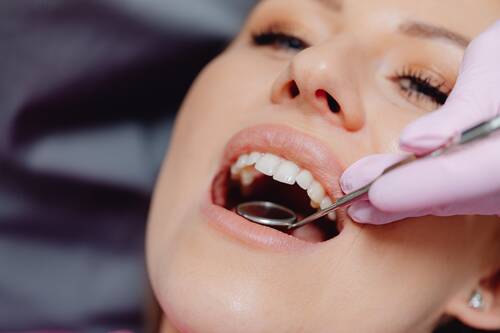
[caption id="attachment_75004" align="aligncenter" width="500"]oral-microbiome-and-health-pexels Photo by www.kaboompics.com[/caption]

For decades, medical science treated the human body as a collection of isolated systems, often viewing oral care as a separate discipline entirely. However, modern research is rapidly proving that overall health is deeply interconnected. Nowhere is this more apparent than in the relationship between the mouth and the rest of the body. Preventable oral health conditions, including severe gum disease and untreated decay, currently contribute to approximately 4.5 percent of all non-fatal disease burden in Australia. This growing body of evidence highlights that a healthy mouth is not just about a bright smile, but a fundamental requirement for long-term systemic wellbeing.

For patients in Victoria, working with experienced Dentists in East Melbourne provides access to comprehensive periodontal assessments that address these systemic risks before they progress.

[caption id="attachment_75001" align="aligncenter" width="500"]periodontal-disease-heart-disease-pexels Photo by Bijen Amatya[/caption]

Supplements, Peptide & Hormone Therapy Notice: The treatments, supplements, peptides, and hormone optimization therapies referenced in this article are not FDA monitored or approved for all uses described. These therapies should only be undertaken under the supervision of a qualified, licensed healthcare provider following a thorough clinical assessment. Dosing is variable and individualized; self-administration without medical oversight is not recommended. These therapies may interfere with existing medications and may be contraindicated in individuals with certain health conditions, including cardiovascular disease, hormone-sensitive cancers, liver conditions, or clotting disorders. Do not use hormone therapies or peptide compounds if you are pregnant, nursing, or may become pregnant. Keep all therapeutic compounds out of reach of children. Always consult your physician before beginning, modifying, or discontinuing any hormone, peptide, or supplement protocol.

The pursuit of a longer life has dominated medical science for decades, but the conversation is rapidly shifting toward the quality of those additional years. Today, healthcare professionals are focusing on the distinction between lifespan and healthspan. As researchers evaluating proactive healthcare and telehealth innovations frequently explore, modern medicine is transitioning away from reactive symptom management. Instead, there is a strong global emphasis on early lifestyle interventions and increasing patient access to preventive medical assessments via virtual care.

This evolution in care delivery is also reshaping how aging populations engage with technology, a shift explored in detail in this overview of tech-smart aging for home, help and health.


The Impact of Precision Telehealth on Preventive Care and Healthy Ageing

Cannabis/CBD Notice: Cannabis products are not FDA monitored or approved. Discuss your use of medicinal cannabis or CBD products with your healthcare provider before use. Dosing is variable and products may interfere with other medications, stimulants and alcohol. Do not use cannabis or CBD products if you are pregnant, nursing, or may become pregnant. Do not use cannabis products when driving or operating difficult or dangerous machinery. Keep out of reach of children. Children and pets should not be exposed to cannabis or CBD products.

Chronic pain continues to be a complex challenge in modern medicine, driving significant research into non-opioid alternatives. Among the most closely monitored developments is the clinical application of cannabidiol (CBD). In Australia, the intersection of evolving clinical efficacy data and highly regulated patient access frameworks presents a fascinating case study in modern pain management.

For broader context on why medicinal cannabis is attracting clinical attention globally, see this overview of five reasons it is used for pain management, as well as this deeper look at how cannabinoids interact with the endocannabinoid system.

[caption id="attachment_74821" align="aligncenter" width="500"]evolving-Cannabidiol-australia-pexels Photo by Kindel Media[/caption]

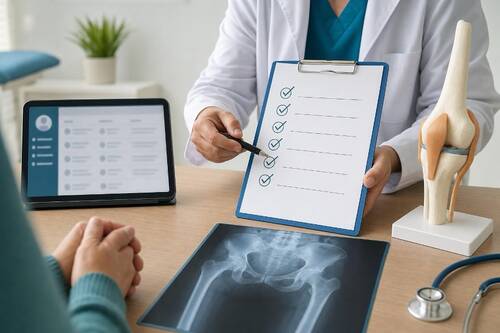
Deciding on hip or knee surgery is rarely simple. You want a surgeon you can trust, a clear pathway, and an honest view of your options. This guide is for adults in Melbourne and Victoria weighing hip or knee surgery, and for family members helping them compare public and private care. This is general education, not personal medical advice. Your GP is the right starting point. They can examine you, arrange a referral, and help compare options that suit your health, symptoms, and goals. choose-orthopedic-surgeon

[caption id="attachment_74501" align="aligncenter" width="500"]psycholoogic-benefits-cosmetic-surgery-pexels.jpg Photo by Arvind Philomin[/caption] Historically, restorative and cosmetic dental procedures were viewed through a purely mechanical lens. Today, clinical perspectives have shifted dramatically to embrace a more holistic model of patient care. Modern dentistry acknowledges that restoring a smile does much more than improve physical appearance. It serves as a vital bridge between systemic physical health and long-term psychological wellbeing. As global demand for cosmetic dentistry continues to surge, projected to reach 89 billion dollars by 2030, the integration of advanced technologies has transformed aesthetic treatments into essential medical interventions that improve overall quality of life. Accessing these life-changing treatments often begins with a thorough, anxiety-free consultation. Partnering with a specialised local provider, such as a reputable Prahran Dentist, is crucial for patients looking to utilise modern digital diagnostics and tailored cosmetic plans. This collaborative approach ensures that aesthetic goals align perfectly with necessary foundational health improvements.

Most people think of the dentist as someone who simply fixes teeth. The research tells a bigger story, because what happens in your mouth rarely stays in your mouth. A healthy mouth supports a healthier body, and a neglected one can quietly add to problems elsewhere. That link is exactly why oral care deserves more attention than it usually gets.

Key Takeaways

● Oral health is closely connected to overall health, with gum disease linked to conditions like heart disease and diabetes. ● Many people delay dental care because of cost, which can let small problems grow into serious ones. ● In Australia, there are legitimate ways to fund necessary treatment, including early release of superannuation on compassionate grounds. ● Regular visits to a trusted local dentist remain one of the simplest ways to protect long-term health.