

30 Sep What Healthy Aging Looks Like in Today’s Retirement Communities
Healthy aging in today’s retirement communities involves much more than access to comfortable housing. It can include staying physically active, eating nutritious meals, maintaining social relationships, keeping the mind engaged, and having opportunities to make personal choices.
A supportive community brings these elements together while allowing older adults to continue living according to their individual interests and routines.
Across Australia, retirement communities are increasingly designed around lifestyle, connection, and independence. Organizations such as Southern Cross Care support communities where older adults can take part in activities, build relationships, and access different forms of support as their needs change. This approach recognizes that healthy aging looks different for every person.
This article explores what healthy aging looks like in retirement communities today.
Staying Physically Active
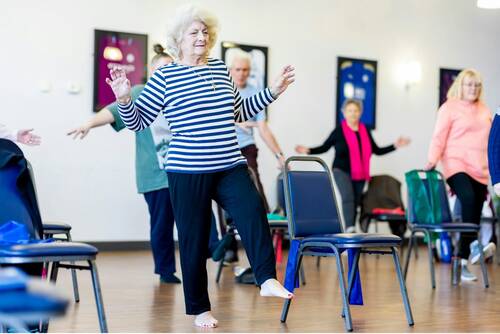
Regular movement is an important part of healthy aging. Walking, gardening, stretching, swimming, group exercise, and other suitable activities can help residents maintain strength, balance, and mobility. The WHO (World Health Organization) recommends that older adults stay physically active, including activities that support balance and muscle strength.
Retirement communities now make staying active easier by providing accessible outdoor areas, exercise spaces, and organized activities. And the best thing to highlight is that residents can choose activities that match their abilities and interests in most of the retirement villages today.
Eating Well
Healthy aging also involves having access to nutritious, balanced meals that support energy and overall well-being. Today’s retirement communities may offer communal dining, meal services, or kitchen facilities, giving residents options that fit their needs and preferences.
Eating well can also be part of staying socially connected. Shared meals give residents regular opportunities to sit together, speak with neighbors, meet new people, and make mealtimes an enjoyable part of their daily routine.
Maintaining Social Connections
Social relationships are an important part of life after retirement. Moving into a community creates opportunities to meet people with similar interests and take part in shared activities.
Residents might join clubs, attend community events, participate in group outings, or simply spend time with neighbors in shared spaces. These everyday interactions help create a stronger sense of community.
Keeping the Mind Engaged
Healthy aging also includes opportunities for mental stimulation. Reading, puzzles, music, creative activities, technology classes, and educational programs can encourage residents to keep learning and exploring new interests.
Trying something unfamiliar can also provide a sense of achievement. Retirement creates more time to pursue interests that may have been difficult to fit into a busy working life.
Supporting Independence
Independence can mean different things to different people. For some residents, it may involve preparing their meals and managing their daily schedules. For others, it may mean having access to assistance while continuing to make personal decisions.
A well-designed retirement community provides choices rather than imposing a single lifestyle. Residents can decide how they spend their time and which activities suit them.
Comfortable and Accessible Living
The physical environment can have a major effect on everyday life. Well-maintained pathways, suitable lighting, accessible facilities, outdoor areas, and practical home designs can make it easier for residents to move around and participate in community activities.
An environment designed with changing mobility needs in mind can also provide greater confidence as residents grow older.
Having a Sense of Purpose
Retirement can open opportunities to focus on interests, relationships, volunteering, hobbies, and personal projects. Having meaningful activities can provide structure and enjoyment.
Residents may choose to teach a skill, care for a garden, participate in a community group, spend time with grandchildren, or explore a new hobby. There is no single definition of an active retirement.
Access to Support When Needed
Healthy aging in today’s retirement communities also means having the right support available as needs change. Residents may be able to manage daily life independently while still having access to assistance with personal care, health needs, or everyday activities when required.
This flexible approach allows older adults to maintain their independence without having to manage every challenge on their own. As their needs change over time, the available support can also change, helping them continue living safely, comfortably, and actively.
Key Takeaways
- Healthy aging combines physical activity, nutrition, social connection, and mental engagement.
- Retirement communities can provide opportunities for residents to remain active and involved.
- Social activities can help strengthen relationships and reduce isolation.
- Personal choice is an important part of maintaining independence.
- Accessible surroundings can support mobility and confidence.
- Meaningful hobbies and activities can give retirement life structure and purpose.
- Access to appropriate support can help residents adapt as their needs change.
The information on MedicalResearch.com is provided for educational purposes only, and is in no way intended to diagnose, cure, or treat any medical or other condition. Some links are sponsored. MedicalResearch.com and Eminent Domains Inc. do not warrant or endorse products or claims made by third party links. Always seek the advice of your physician or other qualified health provider and ask your doctor any questions you may have regarding a medical condition. In addition to all other limitations and disclaimers in this agreement, service provider and its third party providers disclaim any liability or loss in connection with the content provided on this website.
Last Updated on September 30, 2026 by Marie Benz MD FAAD