
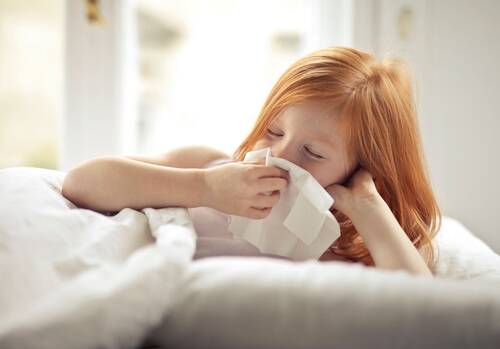
01 Oct What Causes Seasonal Allergies in Children?
Health Information Notice: This article provides general information only and is not specific medical advice for any child. Healthcare providers and practices mentioned or linked in this article are not warranted or endorsed by MedicalResearch.com or Eminent Domains Inc. Talk with your child’s pediatrician before giving any allergy medication, including over-the-counter antihistamines, decongestants, or nasal sprays, as dosing and safety vary by age and some products are not recommended for young children. Seek emergency care immediately if a child has difficulty breathing, wheezing that does not improve, swelling of the lips, tongue, or throat, or other signs of a severe allergic reaction.
Seasonal allergies in children happen when the immune system reacts to airborne substances such as pollen and mold spores that appear at certain times of year. The body treats these substances as a threat and releases histamine and other chemicals, causing sneezing, congestion, and itchy eyes. Tree pollen usually triggers symptoms in spring, grass in summer, and ragweed in fall, while mold can appear whenever conditions are damp.
Seasonal allergies affect many children and can disrupt sleep, focus at school, and everyday comfort during certain months. Allergic nasal symptoms are also associated with related conditions such as asthma and chronic sinus issues. Identifying the specific trigger behind a child’s symptoms helps parents choose the right approach and know when professional care is needed.
[caption id="attachment_76423" align="aligncenter" width="500"] Photo by Andrea Piacquadio[/caption]