
#healthcareoperations Tag

Safety notice: This article is for general information and does not replace manufacturer instructions, applicable regulations, or your facility's equipment management policies. Refurbished medical devices should be inspected and accepted by qualified biomedical engineering staff before clinical use. Suspected device malfunctions or adverse events in the United States can be reported to the FDA through MedWatch.
Editorial note: This article names and links to a medical equipment supplier. MedicalResearch.com does not endorse specific suppliers or products. Facilities should evaluate each unit and supplier independently.

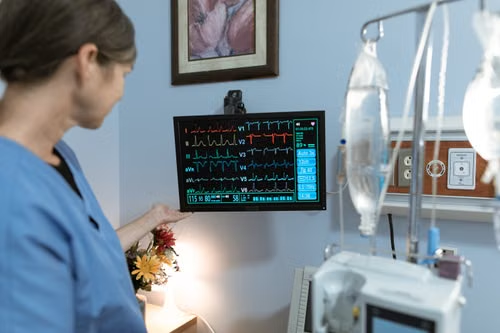
A refurbished patient monitor may look clean, power on normally, and display vital signs during a demonstration. None of those observations, however, is enough to establish that the device is ready for clinical use.

Before purchasing a refurbished patient monitor, hospitals should verify its service history, functional test results, alarm performance, accessory compatibility, software condition, and availability of technical support. The equipment must also meet the clinical requirements of the department where it will be used.


Editorial Notice: This article is for general information and is not legal, compliance or medical advice. Healthcare organizations should review privacy, security and regulatory requirements with qualified counsel before sharing patient information with any vendor. Companies named or linked in this article are not warranted or endorsed by MedicalResearch.com or Eminent Domains Inc.

In healthcare, the person who answers the phone or the chat window is often a patient's first point of contact, and sometimes the one they remember most. A confusing billing message, an unanswered question about a prescription refill or a long hold before an appointment can shake a patient's confidence before they ever see a clinician.

Medical practices, telehealth platforms, pharmacies and digital health companies increasingly rely on dedicated support teams to handle that front line. Done well, patient support does far more than close tickets. It helps people stay engaged with their care.

Optimizing Hospital Supply Chains

Key Takeaways

  • Automated inventory systems can dramatically reduce waste and ensure supplies are available when needed.
  • Engaging clinicians and standardizing products can lead to high cost and efficiency improvements.
  • Just-in-time inventory management allows for leaner, more cost-effective operations.
  • Partnerships with logistics specialists and the integration of data analytics strengthen supply chains and patient care.
  •  
Effective management of hospital supplies is crucial for delivering high-quality patient care and maintaining operational efficiency. Reliable access to hospital supplies enables healthcare professionals to provide timely and effective treatment, minimizing disruptions and potential risks to patient outcomes. Healthcare facilities must adopt strategic supply chain practices to manage rising costs and ensure product availability. The complexities of healthcare supply chains, including product diversity and regulatory requirements, necessitate effective supply management. Technological advancements and management strategies, such as automation, standardization, and data analytics, enable hospitals to enhance operational efficiency. Implementing these strategies leads to better resource utilization, improved patient satisfaction, and increased financial stability, highlighting the importance of continuous innovation in supply management.