
11 Nov What Hospitals Should Verify Before Purchasing Refurbished Patient Monitors
A refurbished patient monitor may look clean, power on normally, and display vital signs during a demonstration. None of those observations, however, is enough to establish that the device is ready for clinical use.
Before purchasing a refurbished patient monitor, hospitals should verify its service history, functional test results, alarm performance, accessory compatibility, software condition, and availability of technical support. The equipment must also meet the clinical requirements of the department where it will be used.
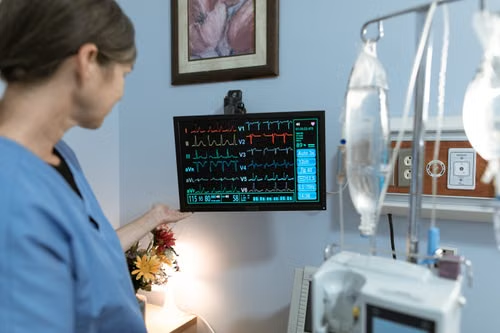
Photo by RDNE Stock project via Pexels
Buying refurbished equipment can help healthcare facilities manage their budgets, particularly when they need to replace existing monitors or equip additional patient beds. The potential savings are worthwhile only when the equipment can be evaluated properly and maintained throughout its intended service life.
The following checks can help procurement teams and biomedical engineering departments identify problems before committing to a purchase.
1. Confirm That the Monitor Meets the Department’s Clinical Requirements
Not every patient monitor is suitable for every clinical environment. A monitor intended for routine bedside observation may have different capabilities from one used in an intensive care unit, operating room, or emergency department. Even monitors from the same manufacturer can have different measurement modules, software configurations, and available features.
Before approaching suppliers, hospitals should establish which monitoring functions are essential. Depending on the clinical setting, these may include:
- Electrocardiography (ECG) and heart rate monitoring
- Non-invasive blood pressure (NIBP)
- Oxygen saturation (SpO2)
- Respiratory rate and temperature monitoring
- Invasive blood pressure monitoring
- End-tidal carbon dioxide (EtCO2)
- Central monitoring connectivity and alarm management
These capabilities should be verified for the specific unit rather than assumed from its model name. For example, a monitor may support EtCO2 measurements as an optional feature but lack the necessary module or accessories.
The clinical team should specify what is required, while biomedical engineering confirms whether the proposed configuration can support those requirements.
2. Request the Equipment’s Identification and Service History
The next step is establishing exactly what the hospital is being offered. A supplier should provide the manufacturer, model number, serial number, installed software version where relevant, and photographs of the actual equipment. The serial number is particularly important because it allows documentation to be matched to the individual unit.
Buyers should also request available information about previous maintenance, repairs, component replacements, and any reported faults. A complete service history may not always be available for older equipment. When records are missing, that uncertainty should be considered during the purchasing decision rather than overlooked.
Hospitals should establish whether the device was removed from service because of a routine equipment upgrade, a technical problem, or another reason. They should also check for applicable recalls and safety notices. The U.S. Food and Drug Administration maintains a searchable Medical Device Recalls database, which can help purchasers identify relevant corrective actions.
A recall does not necessarily mean every affected device must be permanently withdrawn. Some recalls involve corrections or updates. What matters is whether the particular device is affected and whether the required corrective action has been completed.
3. Find Out What the Refurbishment Actually Involved
The term refurbished is widely used, but it does not tell a buyer exactly what work has been completed. One device may have undergone cleaning, inspection, and routine servicing. Another may have required extensive repairs and replacement components.
Hospitals should ask for an explanation of the refurbishment process and supporting records. Useful questions include:
- Were any internal components replaced?
- Were repairs performed by qualified personnel?
- Were manufacturer-specified maintenance procedures followed?
- Was the device tested after the work was completed?
- Were any modifications made to its original configuration?
These questions also matter from a regulatory perspective. The FDA distinguishes servicing from remanufacturing. Servicing generally involves restoring a finished device to its original safety and performance specifications and intended use. Remanufacturing involves activities that significantly change its performance, safety specifications, or intended use. These activities can carry different regulatory obligations, as explained in the FDA’s guidance on remanufacturing and servicing medical devices.
Buyers should therefore avoid treating descriptions such as “completely refurbished” or “fully restored” as substitutes for documented work. The important question is whether the actual unit has been appropriately serviced, evaluated, and demonstrated to meet the specifications required for its intended use.
4. Review Functional Testing, Especially Alarms and Measurements
A patient monitor’s display may work even when a measurement channel, alarm function, or accessory connection has a problem. A proper assessment needs to go beyond confirming that the equipment switches on.
Hospitals should ask for dated functional test results identifying the device tested, the procedures performed, the equipment used, and whether the applicable acceptance criteria were met. Testing should reflect the monitor’s installed functions and the manufacturer’s instructions.
For example, biomedical engineering personnel may need to evaluate ECG signal processing, non-invasive blood pressure operation, temperature inputs, and other available measurement functions using appropriate test equipment and procedures. SpO2 functionality and sensor compatibility should also be assessed. A simulator can support certain functional checks, but it should not be mistaken for complete verification of clinical oxygen-saturation accuracy.
Alarm Performance Deserves Separate Attention
Patient monitors are used to alert clinical staff when measurements cross configured limits or when certain technical faults occur. The hospital should establish whether the monitor’s audible and visual alarms operate correctly, including relevant alarm priorities and alarm-related controls. Testing should account for the device’s intended configuration and the manufacturer’s acceptance procedures.
Battery operation is another concern, especially for monitors used during patient transport or in environments where temporary power interruptions may occur. A battery that powers a monitor for a few minutes is not necessarily suitable for the facility’s operational requirements. Battery condition and runtime should be evaluated against applicable specifications.
For any refurbished monitor, the purchasing team should expect testing evidence appropriate to the device rather than rely on a general statement that it has passed inspection.
5. Make Sure the Monitor Works With Existing Accessories and Systems
A refurbished monitor is only useful if the hospital can operate it with the required components. Before purchasing, confirm the availability and compatibility of ECG lead wires, SpO2 sensors, blood pressure cuffs and tubing, temperature probes, mounting equipment, power supplies, and any other necessary accessories.
Compatibility should be checked against the manufacturer’s specifications, particularly when replacement or third-party accessories are involved. A lower-priced monitor that requires several additional components may cost more than a complete unit offered at a higher initial price.
Connectivity can be equally important. Some hospitals rely on central monitoring stations that collect information from multiple patient monitors. A replacement device may be the correct brand but have an incompatible software version, network configuration, or communication capability. The biomedical engineering and IT departments should establish whether the proposed monitor can integrate with the hospital’s existing system before approving the purchase.
Do Not Overlook Cybersecurity
Network-connected monitors can introduce security risks, especially when older software is no longer supported. Hospitals should determine the device’s software version, the availability of security updates, any known vulnerabilities, and the manufacturer’s recommended safeguards.
The FDA has issued safety communications concerning cybersecurity vulnerabilities in specific patient monitor models, demonstrating why software condition matters alongside physical performance. A refurbished monitor intended for network use should undergo appropriate IT security review before connection. Any patient information retained from previous use should also be handled through approved data-removal procedures.
6. Check Spare Parts and Long-Term Service Availability
A monitor may pass every initial inspection and still become an expensive purchase if replacement parts are difficult to obtain. Before ordering an older model, hospitals should investigate whether compatible batteries, measurement modules, displays, connectors, and other service components remain available. They should also establish who can service the equipment if it develops a fault.
Manufacturer support may be limited for some discontinued models. That does not automatically make those monitors unsuitable, but it changes the purchasing calculation. A hospital that already operates several units from the same product family may find it easier to maintain a compatible refurbished monitor than introduce an unfamiliar model.
Standardizing equipment where clinically appropriate can simplify staff training, accessory management, and maintenance planning. However, compatibility and familiarity should never justify retaining equipment that cannot be safely supported.
7. Evaluate the Supplier and the Complete Purchase Terms
The supplier’s documentation and after-sales arrangements are important parts of the purchase. Hospitals should request a written quotation that identifies the exact equipment configuration, included accessories, documented condition, delivery arrangements, and applicable warranty terms. It should also explain what happens if the monitor arrives damaged, differs from the agreed specification, or fails the hospital’s acceptance inspection.
Specialized suppliers such as Cova Medical offer a range of patient monitoring equipment for hospitals, clinics, and medical equipment resellers. Before making a purchase, buyers should confirm the condition of the specific unit, available accessories, testing documentation, and shipping arrangements. Regardless of the supplier, the hospital should assess each unit independently and confirm the available documentation.
When comparing quotations, consider the total cost of putting the monitor into service rather than its purchase price alone. That includes freight, accessories, installation, software or connectivity requirements, technical inspection, maintenance, and possible replacement parts. If two monitors have similar prices but only one includes the accessories required for immediate use, the quotations are not equivalent.
8. Require Acceptance Testing Before Clinical Use
Supplier testing and hospital acceptance testing serve different purposes. A supplier may demonstrate that a monitor operates according to the tests performed before shipment. The receiving hospital must still establish whether the equipment meets its own requirements and is suitable for its intended clinical environment.
The biomedical engineering department should inspect the delivered unit, verify the configuration, review documentation, and conduct the applicable electrical safety and functional checks under the facility’s equipment management procedures. Any discrepancies should be resolved before clinical deployment.
The WHO (World Health Organization) medical equipment maintenance guidance emphasizes the role of performance inspections, safety inspections, and preventive maintenance in keeping medical equipment reliable and available for patient care.
Hospitals should also enter accepted equipment into their asset inventory, record the relevant service information, and establish an appropriate maintenance schedule. A monitor that fails acceptance testing should remain out of clinical service until the issue has been resolved and the equipment has been appropriately reassessed.
A Final Checklist for Hospital Procurement Teams
Before authorizing payment, the purchasing team should have clear answers to these questions:
- Clinical suitability: Does the monitor have the measurement functions and alarm capabilities required by the department?
- Equipment identity: Has the supplier confirmed the actual model, serial number, configuration, and software version?
- Service documentation: Are inspection, maintenance, and repair records available?
- Functional performance: Is there appropriate evidence of measurement, alarm, battery, and other relevant testing?
- Recalls and security: Have applicable safety notices, corrective actions, and cybersecurity concerns been reviewed?
- Accessories: Are all necessary compatible cables, sensors, cuffs, modules, and power supplies included or obtainable?
- Maintenance support: Can the facility obtain replacement parts and qualified service throughout the intended use period?
- Purchase protection: Are the warranty, return conditions, delivery responsibilities, and acceptance requirements documented?
Any unresolved issue involving device safety, essential monitoring functions, or clinical compatibility should be addressed before the equipment is accepted for patient use.
Make the Purchasing Decision on Evidence, Not Appearance
Refurbished patient monitors can be a practical purchasing option for healthcare facilities that need dependable monitoring equipment while managing capital expenditure. Their value, however, depends on much more than cosmetic condition or the manufacturer’s reputation.
A hospital needs to know what it is buying, whether the equipment performs as required, and whether it can be maintained safely after installation. When procurement specialists, clinical staff, biomedical engineers, and IT personnel review those questions together, they are better positioned to identify unsuitable equipment before it reaches a patient care area.
The objective is not simply to purchase a monitor at a lower price. It is to acquire equipment that meets the hospital’s clinical requirements, with documented evidence to support the decision.
For a broader overview of maintaining hospital equipment, see this MedicalResearch.com overview of MRI parts that need regular replacement.
The information on MedicalResearch.com is provided for educational purposes only, and is in no way intended to diagnose, cure, or treat any medical or other condition. Always seek the advice of your physician or other qualified health and ask your doctor any questions you may have regarding a medical condition. In addition to all other limitations and disclaimers in this agreement, service provider and its third party providers disclaim any liability or loss in connection with the content provided on this website.
Last Updated on November 11, 2026 by Marie Benz MD FAAD