#healthscreening Tag

Health Screening Notice: Screening recommendations differ between countries and change over time, and the right tests and intervals depend on your age, family history and risk factors. Screening is not a substitute for medical care: see a doctor promptly for symptoms such as chest pain, shortness of breath, blood in the stool, unexplained weight loss or urinary changes, even if recent results were normal. This post is for general information only. Clinics named or linked in this post are not warranted or endorsed by MedicalResearch.com or Eminent Domains Inc.

Screening is one of the most studied areas of medicine, and the evidence for it is more nuanced than the marketing around it. For men over 35, the research supports a clear conclusion: targeted, regular screening for the right conditions can catch disease earlier, but the details matter.

Cardiovascular disease remains the single largest cause of death for men in most high-income and middle-income countries. Large cohort studies and clinical guidelines consistently support blood pressure measurement from early adulthood and lipid assessment from around age 35 to 40, earlier where family history is significant. Some guidelines also support adding ApoB to standard lipid panels, because it counts atherogenic particles more directly than LDL cholesterol and can refine risk prediction.

[caption id="attachment_76645" align="aligncenter" width="500"]Photo by Pavel Danilyuk via <a href="https://www.pexels.com/photo/a-healthcare-worker-measuring-a-patient-s-blood-pressure-using-a-sphygmomanometer-7108344/" target="_blank" rel="noopener noreferrer" style="color:#1a7abf;">Pexels</a> Photo by Pavel Danilyuk[/caption]

Medical Notice: Do not stop, start or change any prescription medication without talking to your healthcare provider. Call 911 or your local emergency number for chest pain, difficulty breathing, signs of stroke or other severe symptoms. This post is for general information only and is not a substitute for personalized medical advice. Providers linked in this post are not warranted or endorsed by MedicalResearch.com or Eminent Domains Inc.

Healthcare is most effective when it considers the individual needs, medical history, and lifestyle of each patient rather than relying on a standard approach to treatment. Personalized primary care focuses on building lasting relationships between patients and healthcare providers, allowing medical decisions to reflect individual health concerns and long-term goals.

This approach can help patients become more involved in their healthcare while supporting earlier identification of potential medical concerns.

[caption id="attachment_76612" align="aligncenter" width="500"]personalized_primary_care Unsplash[/caption]

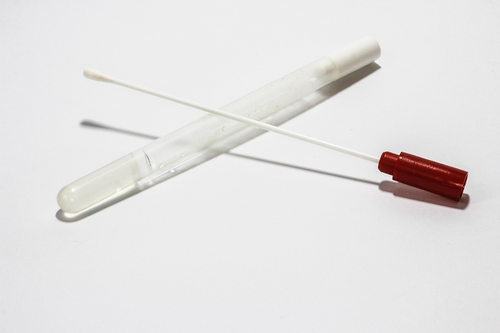
[caption id="attachment_73827" align="aligncenter" width="500"]home-sample-collection-pexels.png Pixabay[/caption] Testing used to involve making an appointment, waiting around, and hoping no-one you know sees you... Not anymore. Reverse Logistics, or at-home specimen collection, is turning diagnosis of infection upside down. Patients have the ability to diagnose themselves for any type of infection without setting foot in a medical facility. Results?? Just as accurate as the lab. Here's the thing: This is not a minor trend. This is a revolution in how everyday consumers approach their wellness journey, own their bodies and detect issues early. Let's dive into... everything. What's going on, why it matters, and what you should know before you buy your first kit. What you'll discover: What at-home sample collection actually is Why private health screening is booming right now How the whole process works from start to finish The biggest benefits for everyday people Common infections you can test for at home