Health and Wellness, OBGYNE / 09.01.2026

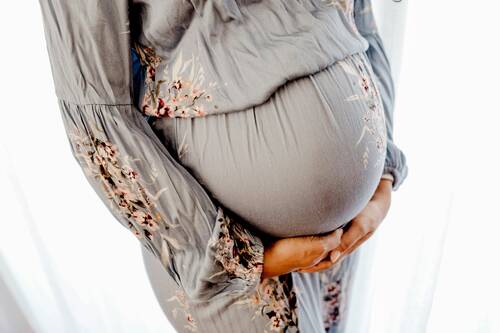
[caption id="attachment_71975" align="aligncenter" width="500"]pregnancy-wellness-self-care.jpg Photo by Garon Piceli[/caption] Pregnancy has a strange way of making time feel elastic. Your body is working harder than it ever has, your emotions are doing things you didn't expect, and your days have this new density to them. And right in the middle of all that, someone inevitably tells you to "make sure you're taking care of yourself." As if it's that simple. The advice is well-meaning, but it starts to pile up like homework. And honestly? The last thing most pregnant women need is another checklist. Here's what I think: self-care doesn't have to be effortful. It doesn't need to look good on Instagram or take up half your afternoon. The version that actually nourishes you during pregnancy is usually quieter than that. It slips in between other things, settles your nervous system, and helps you feel like yourself even when everything is shifting. This isn't another productivity guide. It's an invitation to rethink what self-care can be when you're growing a human.
Author Interviews, Health and Wellness / 17.11.2025

ayuredic-bodytypes Whereas Western physiology and psychology have used the somatotype system of ectomorph, mesomorph, and endomorph to describe broad patterns in human body composition, metabolism, and temperament for almost a century, Ayurveda, the classical health science of India, has utilized a remarkably similar framework for over 2,000 years: Vata, Pitta, and Kapha body types, or prakriti. Although these two systems evolved independently, initial data indicate that they could be describing similar constitutional patterns. Recent studies from India and the West aimed to correlate the two classification models, and the results are interesting enough to warrant clinical interest. The article reviews the scientific attempts at correlating Western somatotypes with Ayurvedic constitutions, their limitations, and explores what this convergence might mean for personalized lifestyle medicine.
Author Interviews, Health and Wellness / 26.10.2025

The connection between the mind and body is often stronger than people presume. For instance, behavioral health conditions, such as addiction, can take a toll on the body. In turn, those health outcomes can impact mental health, creating a cycle of behavioral, physical, and mental effects. The relationship is so complex, in fact, experts are still unraveling just how much it impacts our daily lives and overall wellbeing. In spite of the unknown, modern-day research has revealed the extent of the connection’s effect in some areas of human health. Below is a brief exploration into a few of these connections. First, what is meant by the term behavioral health? Not to be interchanged with mental health, behavioral health refers to the conditions brought on by the habits or harmful actions of the individual, either directly or indirectly. The term also applies to the study of the impacts on a person’s mental health due to biology, emotions, and behaviors.
General Medicine, Health and Wellness / 05.09.2025

[caption id="attachment_70533" align="aligncenter" width="500"]family-doctor-holistic-wellness Photo by Felipe Queiroz[/caption]

Embracing Holistic Health in Primary Practice

Demand for integrated wellness blended with traditional medicine is no longer fringe. Surveys show over half of patients now seek physicians who address mind, body, and lifestyle in one place. Primary care is the logical anchor point. It connects the dots between diet, sleep quality, mental resilience, and clinical intervention. Ignoring one domain risks undoing progress in another. A holistic approach is not soft science; it’s strategic prevention. Physicians who integrate physical exams with nutrition counseling and mental health planning extend the fuse on chronic disease. The result is a foundation for sustained, resilient health rather than patchwork fixes.
Health and Wellness / 23.08.2025

Key Takeaways

  • Seamless socks eliminate friction points, reducing the risk of blisters and discomfort.
  • They provide a snug fit that conforms to the foot's natural shape, enhancing overall comfort.
  • Advanced materials used in seamless socks offer moisture-wicking properties, keeping feet dry and odor-free.
  • Ideal for individuals with sensitive skin or foot conditions, seamless socks promote better foot health.
 

Introduction

Seamless socks are revolutionizing daily wear by eliminating bulky seams that can cause discomfort. These socks are crafted using advanced knitting techniques, providing a consistent, smooth fit that minimizes pressure points and friction. They are designed to manage sweat and keep feet dry, especially for those who spend long periods standing or walking. The socks also use moisture-wicking fibers and anatomically shaped designs to prevent blisters and foot odor. As people prioritize holistic health and wellness, there is growing curiosity about how products like seamless socks can impact everyday quality of life. Comfort socks are made as a continuous loop of fabric using high-tech knitting machines, eliminating bulky seams near toes or across the top of the foot. This smooth design reduces friction, a common cause of discomfort and blisters, and contributes to a healthier foot environment. The soft, unobtrusive feel of comfort socks is essential for those who spend hours on their feet or struggle with discomfort from traditional seams. seamless-socks-comfort.png