
19 May How At-Home Sample Collection Is Changing Infection Diagnosis
Testing used to involve making an appointment, waiting around, and hoping no-one you know sees you…
Not anymore.
Reverse Logistics, or at-home specimen collection, is turning diagnosis of infection upside down. Patients have the ability to diagnose themselves for any type of infection without setting foot in a medical facility. Results??
Just as accurate as the lab.
Here’s the thing:
This is not a minor trend. This is a revolution in how everyday consumers approach their wellness journey, own their bodies and detect issues early. Let’s dive into… everything. What’s going on, why it matters, and what you should know before you buy your first kit.
What you’ll discover:
What at-home sample collection actually is
Why private health screening is booming right now
How the whole process works from start to finish
The biggest benefits for everyday people
Common infections you can test for at home
What Is At-Home Sample Collection?
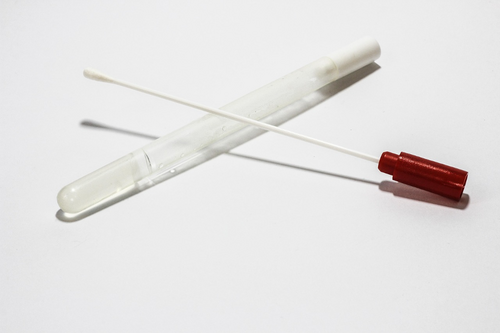
At-home sample collection is pretty self-explanatory… You collect your own sample (blood, urine, saliva, or swab) at home and mail it to a lab for testing.
No doctors. No waiting rooms. No awkward conversations.
The kit arrives in the mail with everything you need:
A simple instruction sheet
The right collection tools
A pre-paid return envelope
Secure online access to your results
Order it, ship it, wait. Days later, your results are waiting for you in your inbox. Companies such as One Day Tests are making at-home health screening easy. From STIs to wellness testing, customers can order what they need from the comfort of their own homes.
It’s revolutionary for those who need quick responses without making a clinic trip.
Why Private Health Screening Is Booming
The growth in this space has been wild over the last few years…
The worldwide at-home testing market size was valued at USD 7.85 billion in 2024. By 2034, it is expected to reach nearly double of what it was in 2024. Consumers demand convenience. They demand privacy. And they want to take their health into their own hands.
There are a few big reasons behind this growth:
Privacy: Certain infections (like STIs) are stigmatized. At-home tests eliminate embarrassment completely.
Speed: No waiting weeks for an appointment.
Convenience: A sample may be taken during lunch break or in your pyjamas.
Cost: At-home kits are often cheaper than clinic visits.
But wait… there’s more. One large meta-analysis showed chlamydia and gonorrhoea testing uptake was 2.61 times higher when performed at home compared to in clinic.
That’s huge.
Offer people home testing and you dramatically increase the number of people who get tested. Earlier detection, quicker treatment and slower spread of infections. At-home STI tests have even been credited by the CDC for helping cause recent drops in some STI rates.
How At-Home Sample Collection Works
The process is way simpler than most people expect. Here’s how it usually goes:
Step 1: Choose A Test
Visit an at-home testing provider’s website and select the infection panel you desire. You can choose anything from individual tests (i.e. a chlamydia test) to STI panels or wellness screens.
Step 2: Receive The Kit
It arrives in an unmarked package in a few days. No markings on the outside. No curious neighbors wondering what you ordered.
Step 3: Collect The Sample
Sample types depend on what’s being tested for:
Blood: A small finger-prick test
Urine: A standard urine sample in a tube
Swab: A quick mouth or genital swab
Saliva: Just spit into a tube
Every kit includes detailed instructions and they each take under 5 minutes to complete.
Step 4: Post It Back
Place the sample in the prepaid envelope and place it in the mail. Samples typically arrive at labs in 1-2 days.
Step 5: Get The Results
Results are usually available through a secure website within several days. Interpretations of what each result means are commonly reviewed by a doctor.
Pretty simple, right?
The Biggest Benefits Of At-Home Testing
When considering factors that are contributing to consumer interest in at-home infection testing there are benefits that stretch far beyond convenience. Here are a few key advantages:
Earlier Detection
Most infections (particularly STIs) are asymptomatic. Individuals frequently remain unaware they have an infection until it becomes serious. When testing is convenient…
And early detection saves lives.
Less Strain On Healthcare Systems
Doctors and clinics are already overwhelmed. Point-of-care testing removes routine infection screening from the clinic, allowing healthcare workers to concentrate on urgent cases.
Better For Rural & Remote Communities
No one is living 10 minutes away from a clinic. At home testing is literally lifesaving for those in rural communities.
Total Privacy
Sometimes people just don’t feel comfortable talking about certain health issues in person. At-home sample collection takes that issue out of the equation.
Common Infections You Can Test For At Home
The list of at-home tests for infections continues to expand. Here are some of the most requested:
Chlamydia
Gonorrhoea
HIV
Hepatitis B & C
Syphilis
Herpes (HSV-1 & HSV-2)
HPV
Trichomoniasis
Urinary tract infections
Other providers offer respiratory infection panels as well like flu or COVID-19. The options become more numerous each year.
What To Look For In A Quality Test Kit
Not all DIY kits are created equal. Ensure your provider checks these boxes before you order:
Lab-certified analysis (not just at-home reader strips)
Doctor-reviewed results
Discreet packaging
Clear, easy-to-follow instructions
Quick result turnaround time
Strong privacy policies
Look for a provider who will be transparent about each stage of the process and have lots of customer reviews you can verify. Failing to do your homework could leave you with erroneous results or, even worse, throwing away your time and money on an unusable test.
Final Thoughts
At-home sample collection is way more than a passing trend…
It totally changes the game for diagnosing infection. Private health screening is quick, convenient and inexpensive which means people are testing regularly and catching infections sooner.
To quickly recap:
At-home kits make testing simple and private
The whole process takes minutes, not hours
Uptake of testing is significantly higher when done at home
Most major infections can now be tested for at home
Always look for lab-certified, doctor-reviewed providers
The future of infection diagnosis is in your hands… Literally.
Disclaimer: The information on MedicalResearch.com is provided for educational purposes only, and is in no way intended to diagnose, cure, or treat any medical or other condition. Some links are sponsored. Products, services and providers are not warranted or endorsed by MedicalResearch.com or Eminent Domains Inc. Always seek the advice of your physician or other qualified health and ask your doctor any questions you may have regarding a medical condition. In addition to all other limitations and disclaimers in this agreement, service provider and its third party providers disclaim any liability or loss in connection with the content provided on this website.
Last Updated on May 21, 2026 by Marie Benz MD FAAD