#integrativehealth Tag

MedicalResearch.com Interview with: [caption id="attachment_74329" align="alignleft" width="150"]Chun Sing (Jason) Lam, PhDPostdoctoral Research Fellow Integrative Medicine and Wellness Service Department of Medicine Memorial Sloan Kettering Cancer Center Chun Sing Lam, PhD[/caption] Chun Sing (Jason) Lam, PhD Postdoctoral Research Fellow Integrative Medicine and Wellness Service Department of Medicine Memorial Sloan Kettering Cancer Center MedicalResearch.com: What is the background for this study? What are the main supplements utilized by Americans? Response: Dietary supplement use is very common among U.S. adults, but patterns of use have changed substantially over time. The supplement market has expanded, with many products now marketed for different uses. But long-term national data are limited. In this study, we analyzed 25 years of nationally representative data from the National Health and Nutrition Examination Survey, from 1999 through August 2023, including 63,442 U.S. adults. Overall supplement use increased from about 51% of U.S. adults in 1999–2000 to about 60% in 2021–2023. Use of four or more supplements also increased, from 8.8% to 15%. One notable finding was that multivitamin/multimineral use declined modestly while use of individual vitamins, minerals, and specialty supplements increased. One important finding was the increase among older adults. Supplement use among adults aged 65 years and older increased from about 62% to 78%, which was the largest increase among demographic subgroups. Notable increases were seen for vitamin D, zinc, vitamin K, biotin, vitamin B12, and omega-3. Emerging trends were also seen for non-vitamin non-mineral supplements such as turmeric/curcumin, probiotics/prebiotics, collagen, elderberry, ashwagandha, and hyaluronic acid. These trends likely reflect growing consumer interest in immune support, gut health, and skin and joint health.


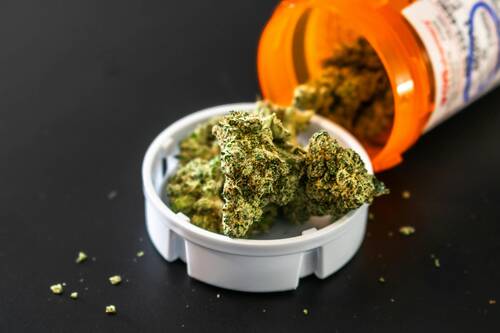
[caption id="attachment_73613" align="aligncenter" width="500"]therapeutic-uses-cannabis.jpg Pexels[/caption]

Please note: Cannabis and cannabidiol (CBD) products are generally not FDA tested or approved for all conditions referenced in this article. Cannabis and CBD products can interfere with medications including blood pressure medications and anticoagulants. Do not use cannabis products if pregnant, nursing or planning to become pregnant. Do not delay seeking medical attention for medical concerns by using cannabis or CBD products without medical advice. Cannabis products should not be used while driving or operating machinery. Statements and product contents have not been independently confirmed by MedicalResearch.com or Eminent Domains Inc. Please discuss any and all cannabis or CBD use with your health care provider before beginning any such regimen.

The landscape of chronic condition management has undergone a significant transformation over the past decade. For years, the medical community relied heavily on isolated symptom treatments and traditional pharmacological interventions to manage complex ailments. Patients suffering from long-term conditions like neuropathy, chronic inflammation, or severe anxiety frequently found themselves cycling through various medications with limited success and significant side effects. These recurring challenges have prompted healthcare professionals to rethink standard protocols. The latest clinical evidence supports a multidimensional approach to chronic pain that incorporates alternative and complementary therapies, reflecting a broader shift away from conventional, single-track treatments. As recent insights into pain management demonstrate, invasive procedures and heavy medications are no longer the default first-line defense. Instead, clinicians are increasingly advocating for whole-person care that values patient lifestyle strategies, psychological support, and alternative therapeutics. Among these emerging alternatives, cannabidiol has garnered substantial attention from the global medical and academic communities as a viable option for those who have exhausted standard therapies.