Orthopedics, Pain Research / 08.04.2026

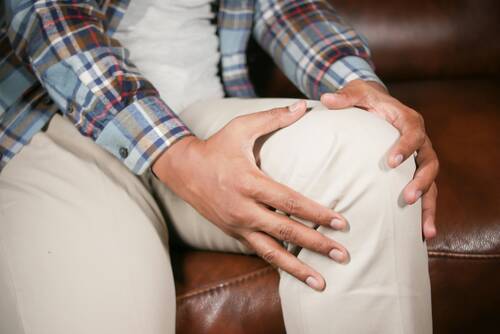
[caption id="attachment_73151" align="aligncenter" width="500"]evolution-knee-pain-rehab.jpg Photo by Towfiqu barbhuiya[/caption] Musculoskeletal research has undergone a significant transformation over the last decade. Historically, patients presenting with chronic joint degeneration were often directed toward invasive surgical procedures or relied heavily on pharmacological interventions to mask their symptoms. Today, clinical paradigms have shifted profoundly toward conservative joint preservation. Recent updates in orthopaedic care emphasise managing osteoarthritis pain without relying on medication, noting that targeted physical therapy, weight management, and customised movement regimens can be truly transformative in preserving long-term joint function. This transition away from immediate surgery is not merely a passing medical trend but a rigorously validated approach supported by extensive clinical trials and peer-reviewed data. As the global population ages, researchers continue to explore robust pathways to delay or entirely prevent the need for joint replacements, focusing instead on sustainable biomechanical correction.
Author Interviews, Orthopedics, PT-Rehabilitation / 03.11.2025

Rehab a Knee Replacement at Home Recovering from knee replacement surgery is a big milestone, but what comes after can feel just as important as the procedure itself. The good news is that with a little structure and patience, you can do most of your rehab right at home. Each day gives you a chance to rebuild strength, confidence, and independence. This guide will walk you through the key parts of recovery, from setting up your space to easing back into exercise and keeping your spirits high.

Your Recovery Timeline

The first thing to remember is that healing takes time. Every person’s journey is a little different, but most recoveries follow a general pattern. In the first two weeks, your focus is on rest, pain control, and gentle movement. You’ll be icing the knee often, taking short walks, and practicing very light exercises that help prevent stiffness and blood clots. By weeks three to six, you’ll notice your strength starting to return. The swelling begins to go down, and you can move around more freely. This is when you start increasing your activity level and expanding your exercise routine. Beyond six weeks, you’ll likely feel more independent. You might still use a cane or walker, but you’ll be walking farther and feeling more stable. Full recovery can take several months, but progress happens every week. Be sure to follow your doctor's recommendations and report any unusual symptoms for your health care provider's advice. If you ever notice unusual swelling, warmth, redness, sharp pain, or a fever, contact your doctor right away. These may be signs that something needs attention.
Orthopedics, Pain Research / 07.10.2024

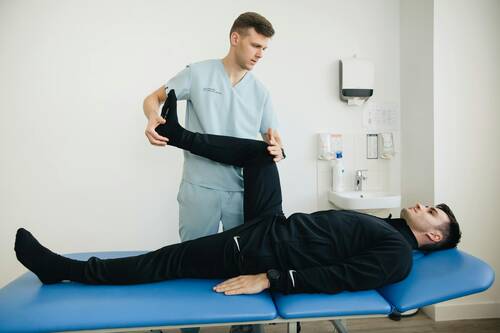
Our joints are pretty amazing, aren’t they? They keep us moving, bending, stretching, and dancing. But sometimes, the wear and tear of life catches up to us, and our joints begin to protest – loudly. When the pain becomes persistent, you might wonder, “Is it time for a joint replacement?” While this can feel like a big decision, knowing when to take that next step can make all the difference for your quality of life. [caption id="attachment_63802" align="aligncenter" width="500"]joint-replacement-jointpain_pexels-funkcines-terapijos-centras-927573878-20860582 Source[/caption]

1. Persistent Pain That Won’t Quit

Pain is your body's way of sending you a message. But what happens when the message never seems to stop? If you’re dealing with joint pain that’s constant or regularly interrupts your daily activities, it might be time to think about looking into self pay joint replacement so you can get the expert help you need as soon as possible. Pain that keeps you awake at night, doesn’t respond well to medication, or is present even when resting are all red flags. The purpose of joint replacement isn’t just to eliminate pain; it’s about reclaiming your everyday life. When over-the-counter pain relievers, physical therapy, or other treatments aren’t cutting it anymore, it could be time to consult with a specialist.