#medicalnegligence Tag

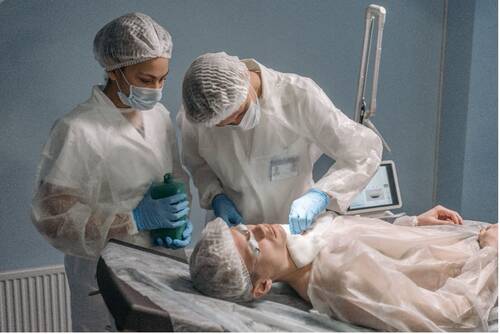
Common medical procedures are generally safe and beneficial, but mistakes or complications during routine treatments can sometimes cause serious and lasting injuries. One example is intravenous (IV) therapy, a frequently used procedure that delivers fluids, medications, or nutrients directly into a patient's bloodstream. When an IV is not placed or monitored properly, it can result in tissue damage, infections, nerve injuries, and other long-term health problems. Many patients do not realize the potential consequences of IV infiltration until symptoms begin to appear after treatment. IV infiltration happens when fluid leaks out of the vein and enters the surrounding tissue instead of flowing correctly through the bloodstream. Although some cases are minor and heal quickly, severe cases can lead to complications that require extensive medical care. [caption id="attachment_74682" align="aligncenter" width="500"]how_a_common_medical_procedure_can_cause_lasting_injuries Image source : pexels[/caption] Understanding how a common procedure like IV therapy can cause lasting injuries helps patients recognize warning signs and seek medical attention before the damage becomes more serious.

[caption id="attachment_74435" align="aligncenter" width="500"]What the Numbers Reveal About Medical Malpractice Claims Source: magnific[/caption] Medical Malpractice Statistics: What the Data Actually Shows

The numbers reveal that medical malpractice claims are less common than many people assume, but when they do occur, they often involve serious injuries, high financial payouts, and complex legal challenges. Most claims arise from preventable medical errors such as misdiagnosis, surgical mistakes, medication errors, and delayed treatment.

While not every poor medical outcome is malpractice, data helps separate perception from reality. A closer look at medical malpractice statistics shows clear patterns in how often these cases are filed, what types of errors are most common, and how they typically resolve. These numbers also highlight how difficult it can be for patients to pursue successful claims, even when negligence is involved.

[caption id="attachment_73985" align="aligncenter" width="500"]Impact of Hospital Negligence Source[/caption] Hospital negligence can have devastating financial and emotional consequences for patients and their families. When hospitals or medical staff fail to provide proper care, patients may suffer serious injuries, long-term health complications, permanent disabilities, or even wrongful death. These situations often create overwhelming medical expenses, emotional trauma, and major disruptions to daily life. Many people associate hospital malpractice with surgical mistakes or misdiagnosis, but negligence can happen in many different forms inside healthcare facilities. For victims, the impact goes far beyond the initial injury. A single medical error can affect a person's physical health, career, emotional well-being, and financial stability for years. Families are often left trying to manage expensive treatments, emotional stress, and uncertainty about the future.

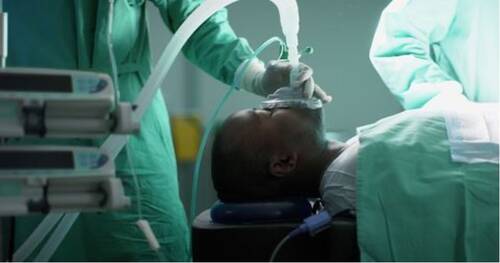
  [caption id="attachment_73982" align="aligncenter" width="500"]What Is an Anesthesia Error Source[/caption] An anesthesia error happens when a medical professional makes a mistake before, during, or after administering anesthesia. These mistakes can lead to serious health complications, long-term injuries, or even death in severe cases. Every year, hospitals and surgical centers across the United States perform millions of procedures that involve anesthesia errors. Although modern medicine has improved patient safety, anesthesia errors still occur when healthcare providers fail to follow proper medical standards or monitoring procedures. Patients who suffer harm from anesthesia errors often face physical pain, emotional stress, and expensive medical treatment. Because of this, medical malpractice laws provide legal protections that allow injured patients to seek compensation when negligence causes harm.

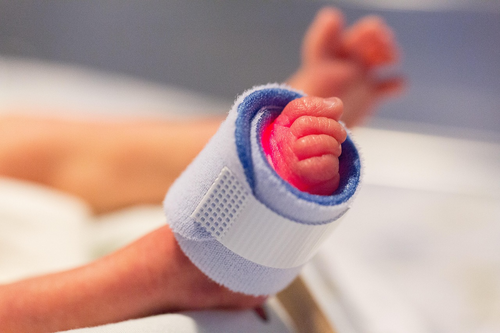
Rehabilitation Therapies Support Children.png Has your child suffered an injury during birth? It's every parents nightmare. One second you're meeting your newborn baby... The next you find yourself in a doctors office hearing words you never want to hear. The good news? Kids are resilient. With proper rehab therapy, many children born with a birth injury will flourish in life. Therapy won't erase the challenges immediately. However, it can greatly impact a child's mobility, communication, and autonomy. Here's the hard part though... Recovery is a long process. It takes time, patience and money. Lots of money. When birth injury is caused by a preventable error, families often seek medical negligence compensation to help pay for years of treatment. In fact, filing for compensation for a birth injury is one of the most common methods of paying for the road of therapy ahead. Medical negligence compensation can mean the difference between your child receiving limited care and everything they need to thrive. So let's break down exactly how rehabilitation therapies help. Here's What You'll Discover: What Birth Trauma Actually Means The Main Rehabilitation Therapies That Help Why Early Treatment Matters So Much How Families Afford Long-Term Care