20 Feb Baltimore Medical Negligence: How Malpractice Claims Actually Get Proven
Posted at 20:52h
in Legal-Malpractice
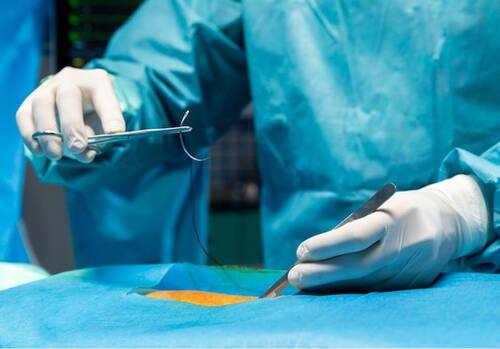
[caption id="attachment_72532" align="aligncenter" width="500"] Photo by Gustavo Fring[/caption]
It’s not enough that something went wrong
Medicine is complicated. Outcomes can be bad even when care is appropriate. That’s what makes malpractice claims uniquely hard. A viable claim usually requires showing that a provider deviated from the accepted standard of care, and that the deviation caused harm. That’s a layered idea, and it matters. A bad outcome alone isn’t proof. A mistake alone isn’t always enough either. The legal focus is on duty, breach, causation, and damages. Sounds clinical, but it’s the backbone of how these cases survive.The timeline is everything
The hardest part for many clients is reconstructing what happened. Appointments blur together. Records are scattered. Specialists blame other specialists. And the patient, who is just trying to heal, gets stuck in the middle. A clean malpractice review typically looks at:- What symptoms were presented, and when
- What tests were ordered, and when
- Whether results were reviewed in time
- Whether follow-up occurred appropriately
- What a reasonable provider would have done
- When intervention should have happened
- How delay or error changed the outcome







 There are many cases where patients were left worse off after treatment. Sometimes it's due to a wrong diagnosis, botched surgery, or poor care after an operation. These mistakes can cause serious harm and even death. If you think this has happened to you or a loved one, it's important to know your rights.
Getting legal advice early can make a big difference. A good lawyer will look at your case for free and tell you if you have a claim. They'll help gather evidence and deal with the other side. This lets you focus on getting better while they handle the legal stuff.
There are many cases where patients were left worse off after treatment. Sometimes it's due to a wrong diagnosis, botched surgery, or poor care after an operation. These mistakes can cause serious harm and even death. If you think this has happened to you or a loved one, it's important to know your rights.
Getting legal advice early can make a big difference. A good lawyer will look at your case for free and tell you if you have a claim. They'll help gather evidence and deal with the other side. This lets you focus on getting better while they handle the legal stuff.