
03 Aug What Makes Minimally Invasive Treatments Appealing to Older Adults?
As people get older, health concerns can become more complicated, and treatment decisions involve more than simply choosing the fastest solution. Recovery time, daily independence, and existing health conditions can all influence that decision. Minimally invasive treatments offer an alternative for seniors that is worth discussing with a healthcare provider.
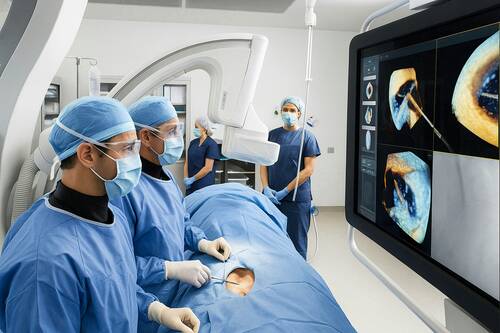
Consider the example of Benign Prostatic Hyperplasia (BPH), which refers to an enlarged prostatic gland. Data show that the prevalence of this condition increases with age. In such scenarios, prostate artery embolization is a minimally invasive procedure that offers benefits like quick recovery. For a detailed overview of the clinical evidence behind this approach, see this MedicalResearch.com report on how prostate artery embolization provides a less invasive choice for BPH treatment.
For older adults, the appeal comes from the possibility of treating a health problem without the demands of some traditional surgical procedures. That does not mean minimally invasive treatment is automatically better or appropriate for everyone. Each procedure has its own risks, benefits, eligibility requirements, and recovery expectations.
[caption id="attachment_75398" align="aligncenter" width="500"]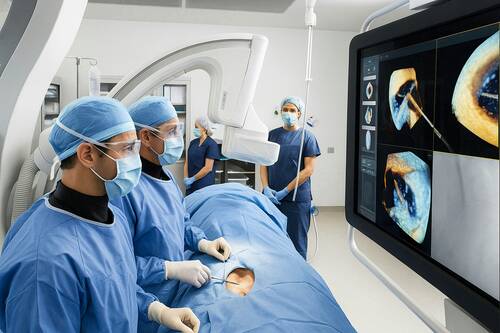 Unsplash[/caption]