Aging, Dermatology, Genetic Research / 28.05.2025

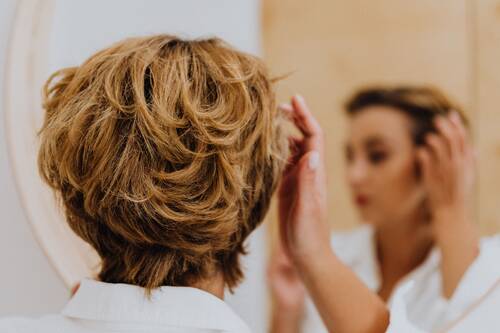
How Do Genetics Influence Hair Loss Aging hair loss is a frequent problem, usually precipitated by hereditary causes earlier than most anticipate. Recognizing the contribution made by heredity can lead to more appropriate treatment and realistic expectations. Hair loss is the most common dermatological condition in aging individuals, especially men and is primarily genetically influenced. Research indicates that inherited influences from maternal and paternal sides can determine the chance, age at onset and degree of thinning and balding over time. Male pattern baldness or androgenetic alopecia, is the most common type and is considered to occur in over 50% of men by the age of 50. A striking characteristic of male pattern baldness is a receding frontal hairline, slowly developing more significant thinning across the temples and crown. This type of balding is correlated with the androgen hormone dihydrotestosterone (DHT), which is partly controlled through genetic sensitivity in the follicles. Those with a hereditary predisposition towards thinning are more susceptible to similar patterning, yet onset and progress can range widely in age and pace. Access to online prescribing of hair loss treatment makes early treatment more accessible for those seeking treatment. The procedure involves a consultation via the Internet with a registered prescriber to ascertain the suitability and safety of the prescribed treatment for the individual's condition and health background.
Dermatology, Mental Health Research / 26.07.2024

Hair loss can have profound psychological effects, impacting self-esteem and overall well-being. However, advancements in hair loss treatments, such as Minoxidil, offer hope by not only addressing physical symptoms but also improving mental health outcomes. Understanding the psychological benefits of these treatments is crucial for individuals seeking to regain confidence and emotional balance.

Addressing the Emotional Impact of Hair Loss

Hair loss is more than a cosmetic concern; it can significantly affect mental health. Many individuals experience feelings of embarrassment, anxiety, and reduced self-confidence due to changes in their appearance. Effective hair loss treatments play a pivotal role in alleviating these psychological burdens, fostering a positive outlook and enhancing quality of life.

How Minoxidil Works

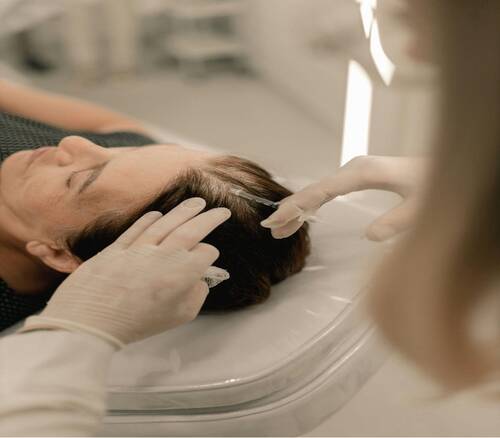
[caption id="attachment_62607" align="alignleft" width="200"]hairloss-minoxidil_pexels-zvolskiy-1570807 Image source[/caption] Minoxidil, a topical medication approved by the FDA for hair loss treatment, stimulates hair follicles' growth phase and increases hair density. It promotes blood flow to the scalp, revitalizing dormant follicles and encouraging new hair growth. Minoxidil hair treatment offers a proactive approach that not only addresses thinning hair but also restores confidence in one's appearance.