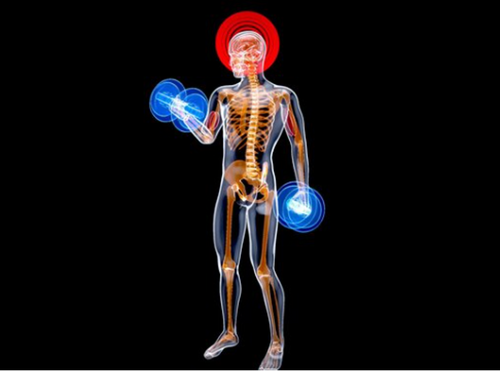
20 Aug Movement as a Measurable Outcome: What Objective Gait and Motion Data Add to Clinical Research
Clinicians have been assessing how people move for as long as medicine has existed. A patient walks down a corridor, the eye catches a limp or a hesitation, and an impression forms. That observational skill matters, but it carries a known weakness. Two experienced clinicians can watch the same walk and describe it in different terms, and neither can say precisely how much has changed since the last visit.
Over the past decade, that gap has narrowed considerably. Quantitative movement measurement has moved out of specialist biomechanics labs and into rehabilitation research, sports medicine programs, and multi-site studies that need consistent outcome data. A growing range of motion analysis platforms now makes that measurement accessible beyond the specialist lab, though the outputs and use cases vary considerably. According to a systematic review published through PubMed Central on gait analysis in neurodegenerative disorders, advances in motion capture technology have significantly expanded the clinical and research settings where quantified movement data can be collected reliably.