24 Jun Antibody Points Way Toward Norovirus Vaccine
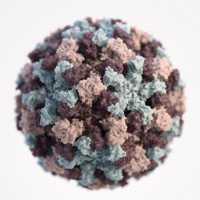
MedicalResearch.com Interview with: [caption id="attachment_49864" align="alignleft" width="200"] CDC ImageBased on electron microscopic (EM) imagery, this three-dimensional (3D) illustration provides a graphical representation of a single norovirus virion, set against a white background. Though subtle, the different colors represent different regions of the organism’s outer protein shell, or capsid. Illustrator: Alissa Eckert, MS[/caption] Lisa Lindesmith, MS Research specialist Ralph S. Baric, PhD Professor, Departments of Epidemiology, Microbiology and Immunology Lineberger Comprehensive Cancer Center Gillings School of Global Public Health University of North Carolina MedicalResearch.com: What is the background for this study? Would you briefly explain the types of outbreaks caused by Norovirus infections? Response: Noroviruses cause about 20% of endemic and 50% of food-borne acute gastroenteritis, infecting all age groups, globally. While may different strains of norovirus cause outbreaks primarily in community settings, since the mid-1990’s the GII.4 strains of norovirus have caused waves of pandemic disease every 2-7 years. These pandemics are associated with emergence of a GII.4 strain that has changed key viral domains rendering the virus less susceptible to recognition by and protection from a person’s immune system. For a vaccine to be efficacious against pandemic GII.4 strains, it must be able to train the immune system to focus on the part of the GII.4 virus that does not change over time.