Image Source[/caption]
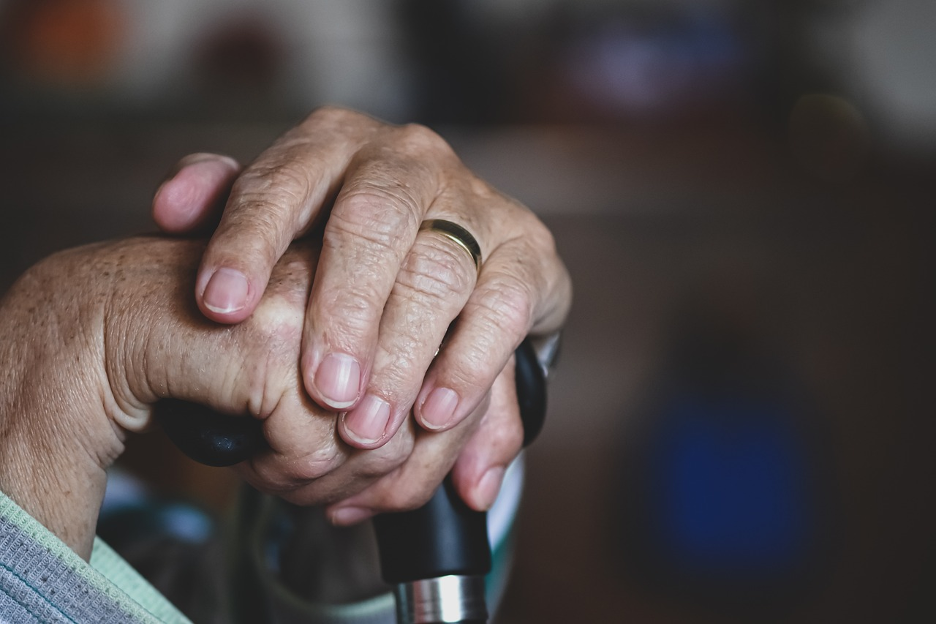
For many older adults, a stroke marks the beginning of a new chapter filled with uncertainty. One day, routine activities such as walking around the house, preparing a meal, or chatting with family may feel effortless. The next day, those same tasks can require patience, support, and practice. While emergency treatment often receives the most attention, stroke recovery continues long after a person leaves the hospital.
Families frequently expect a clear timeline for improvement, but stroke recovery rarely follows a predictable path. Some older adults regain skills quickly, while others face ongoing challenges that affect movement, thinking, swallowing, or communication. Understanding what recovery truly looks like can help survivors and caregivers prepare for the road ahead and recognize progress when it happens.
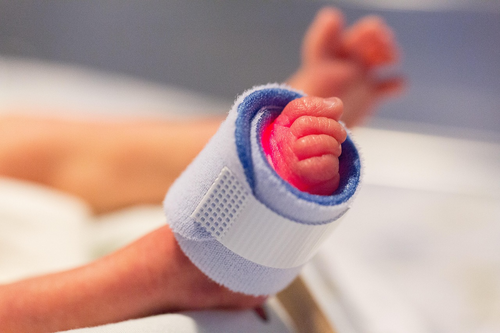
Has your child suffered an injury during birth?
It's every parents nightmare. One second you're meeting your newborn baby... The next you find yourself in a doctors office hearing words you never want to hear.
The good news?
Kids are resilient. With proper rehab therapy, many children born with a birth injury will flourish in life. Therapy won't erase the challenges immediately. However, it can greatly impact a child's mobility, communication, and autonomy.
Here's the hard part though...
Recovery is a long process. It takes time, patience and money. Lots of money. When birth injury is caused by a preventable error, families often seek medical negligence compensation to help pay for years of treatment. In fact, filing for compensation for a birth injury is one of the most common methods of paying for the road of therapy ahead. Medical negligence compensation can mean the difference between your child receiving limited care and everything they need to thrive.
So let's break down exactly how rehabilitation therapies help.
Here's What You'll Discover:
What Birth Trauma Actually Means
The Main Rehabilitation Therapies That Help
Why Early Treatment Matters So Much
How Families Afford Long-Term Care
Unsplash[/caption]
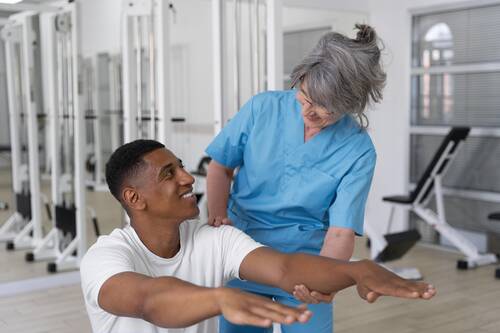
Injury recovery is often viewed as a short-term process, but without proper intervention, it can lead to long-term complications such as chronic pain and reduced mobility. Many patients are now encouraged to seek guidance from a Knoxville sports medicine doctor who can assess their condition and direct them toward appropriate physical therapy and treatment options designed to support full recovery.
This approach emphasizes not just healing the injury, but restoring function and preventing future discomfort through evidence-based care. As research continues to highlight the risks of incomplete rehabilitation, physical therapy is increasingly recognized as a critical step in avoiding persistent pain.
Source Photo by Pixabay[/caption]
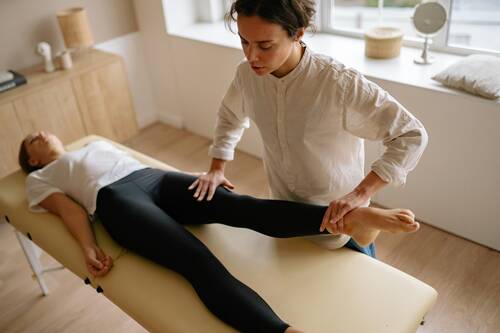
If you’ve recently undergone surgery, whether orthopedic, abdominal, or postpartum, post-surgery physiotherapy can mean the difference between lingering pain and a full, confident return to daily life or sport. At Form Recovery & Wellness, we’ve worked with hundreds of patients post-ACL reconstruction, shoulder repairs, spinal surgery, and C-sections—building patient-centric based rehab plans that accelerate healing and reduce complications.
This article outlines the four primary phases of physiotherapy post-surgery, how each stage contributes to optimal recovery, and what patients should expect.
For those recovering in Thailand, Form Recovery & Wellness provides internationally trained physiotherapists with extensive experience in post-operative rehabilitation. Their patient-centered approach ensures that treatment is tailored, data-driven, and aligned with global best practices.
Phase 1: Immediate Recovery (Days 1–14)
Goal: Reduce swelling, protect the surgical site, and initiate gentle movement.
In the first two weeks, physiotherapy interventions are focused on minimizing inflammation, activating surrounding muscles, and preventing stiffness or compensation patterns.
Recovering from knee replacement surgery is a big milestone, but what comes after can feel just as important as the procedure itself. The good news is that with a little structure and patience, you can do most of your rehab right at home. Each day gives you a chance to rebuild strength, confidence, and independence.
This guide will walk you through the key parts of recovery, from setting up your space to easing back into exercise and keeping your spirits high.
Modern rehab is getting a major upgrade, and South Florida physical therapy clinics are leading the way. By promoting recovery with advanced tools and smart systems, therapists are helping patients bounce back faster and with more precision. Whether you’ve had surgery, a sports injury, or chronic pain, the right technology can make the process smoother. From wearables to apps, let’s take a closer look at how technology is making physical therapy more effective than ever before.
Photo courtesy of Pexels[/caption]
An important aspect of medicine a variety of physiotherapy treatments put to use in today’s world. It has historically been proven to help restore movement and function while reducing pain in targeted areas.
When it comes to the realm of rehabilitation for the body, physiotherapy is essentially always a part of the process. Another reason why it’s so popular is that it’s non-invasive, and can take a diverse approach to treatment options. This article discusses the different types of physiotherapy treatments and what makes them so useful.
Photo Credit: Freepik [/caption]
Commonly prescribed Pain medications include NSAIDS, Opioids, Anticonvulsants, and corticosteroids. Most of these drugs have side effects that can range from stomach aches to addiction and death. On top of this, most drugs only treat the symptoms without addressing the root cause of the problem. This means many patients do not recover completely.
If your physiotherapist uses equipment like resistance bands or balance tools, they’ll guide you on how to use them safely. The aim is to give you a taste of what future sessions might involve and help you start feeling better right away....
It is important for your recovery to find a physical therapist who understands sciatica and has experience treating it. Look for a therapist who specializes in back and nerve pain. Ask questions like how many patients they’ve treated with sciatica, their techniques, and how they measure progress....
Source[/caption]
Physical therapy is one of the best ways to heal shoulder tendonitis. It helps reduce pain, improve movement, and strengthen the muscles around the shoulder. With the right exercises and treatment, physical therapy can speed up recovery and prevent the problem from coming back.
In this guide, we’ll explain how physical therapy for shoulder tendonitis can help and what you can expect from treatment.
Image by Alexas_Fotos on Pixabay[/caption]
Image Source[/caption]
Imagine lifting a heavy box and suddenly feeling a sharp pain in your shoulder. This scenario is all too common. It’s not just the athletes who suffer from shoulder issues—everyday activities like gardening, cleaning, or even sleeping in an awkward position can lead to shoulder problems. Understanding these injuries and their treatments can make a big difference in recovery.
Shoulder injuries are often overlooked until they become severe, causing discomfort and limiting mobility. This article aims to provide an overview of common shoulder injuries, their causes, symptoms, and available treatments. Whether you're dealing with a nagging pain or a sudden injury, this guide will help you navigate the path to recovery.
Understanding Shoulder Anatomy
The shoulder is a highly flexible joint, allowing for a wide range of motion, which unfortunately makes it susceptible to injuries. It comprises bones, muscles, tendons, and ligaments that work in unison to maintain stability and enable movement. The shoulder's intricate design facilitates various movements but also increases its vulnerability to different types of injuries.
Key components of the shoulder include the humerus (the upper arm bone), the scapula (the shoulder blade), and the clavicle (the collarbone). These structures are interconnected by muscles and tendons, forming a ball-and-socket joint that supports extensive movement. While this flexibility is advantageous, it also means the shoulder is at risk for injuries due to overuse, trauma, or incorrect movements.