
preventive care Tag

Health Screening Notice: Screening recommendations differ between countries and change over time, and the right tests and intervals depend on your age, family history and risk factors. Screening is not a substitute for medical care: see a doctor promptly for symptoms such as chest pain, shortness of breath, blood in the stool, unexplained weight loss or urinary changes, even if recent results were normal. This post is for general information only. Clinics named or linked in this post are not warranted or endorsed by MedicalResearch.com or Eminent Domains Inc.

Screening is one of the most studied areas of medicine, and the evidence for it is more nuanced than the marketing around it. For men over 35, the research supports a clear conclusion: targeted, regular screening for the right conditions can catch disease earlier, but the details matter.

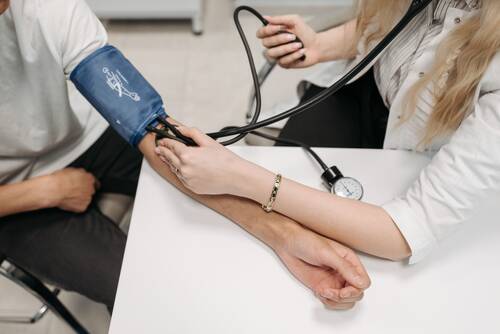
Cardiovascular disease remains the single largest cause of death for men in most high-income and middle-income countries, Malaysia included. Large cohort studies and clinical guidelines consistently support blood pressure measurement from early adulthood and lipid assessment from around age 35 to 40, earlier where family history is significant. Some guidelines also support adding ApoB to standard lipid panels, because it counts atherogenic particles more directly than LDL cholesterol and can refine risk prediction.


MedicalResearch.com Interview with: [caption id="attachment_55760" align="alignleft" width="98"]https://www.unitedhealthgroup.com/ Mr. Olin[/caption] Steve Olin Chief Product Officer Rally Health, Inc., part of the Optum business of UnitedHealth Grou MedicalResearch.com: Can you please elaborate on Rally Health’s mission? Mr. Olin: Our founding mission 10 years ago and still to this day is to put health in the hands of the individual. As a digital health company, we live this mission through our focus in three key areas: 1) Providing digital-first access to care by giving individuals easy-to-use digital tools and support to navigate their health care and take full advantage of their health benefits; 2) Engaging people in their daily health by creating experiences that people enjoy and that inspire them to perform healthy actions, and by giving them access to resources that help them achieve their health goals; 3) Saving people time and money by providing digital tools that help them understand health care costs and guide them to lower-cost, high-quality care options.

MedicalResearch.com Interview with: [caption id="attachment_37911" align="alignleft" width="100"]Sally H. Adams, PhD, RN Specialist, Division of Adolescent and Young Adult  Medicine Adolescent and Young Adult Health National Resource Center University of California, San Francisco Benioff Children’s Hospital San Francisco, CA 94118 Dr. Adams[/caption] Sally H. Adams, PhD, RN Specialist, Division of Adolescent and Young Adult  Medicine Adolescent and Young Adult Health National Resource Center University of California, San Francisco Benioff Children’s Hospital San Francisco, CA 94118 MedicalResearch.com: What is the background for this study? Response: Major causes of adolescent illness and mortality are preventable. To address this, in the 1990s, professional medical organizations developed healthcare provider guidelines for the delivery of adolescent preventive healthcare. These include the receipt of anticipatory guidance and risk screening services in the effort to promote healthy behaviors and avoid risky behaviors that are intended to be covered within a preventive care visit, but could be addressed in other healthcare visits. The adolescent developmental period is an important time for adolescents to be engaged with the healthcare system. Transitioning from childhood to adulthood, adolescents are becoming increasingly independent - having more responsibility and freedom for decision making in many areas, including healthy choices in behaviors and activities. While families and community settings (schools, churches) play strong roles in this process, the healthcare system also plays an important role.

MedicalResearch.com Interview with: Dr. LeaAnne DeRigne Associate Professor School of Social Work Florida Atlantic University Boca Raton, FL 33431 MedicalResearch.com: What is the background for this study? What are the main findings? Response: “Compared to 22 similarly developed countries, the United States is the only one that does not mandate employers to provide paid sick leave benefits or include paid sick leave in a universal social insurance plan,” said LeaAnne DeRigne, Ph.D., lead author and an associate professor in the School of Social Work within FAU’s College for Design and Social Inquiry. For the study, DeRigne and collaborators used cross-sectional data from a sample of 13,545 adults aged 18-64 with current paid employment from the 2015 National Health Interview Survey (NHIS). They examined the relationship between having paid sick leave and obtaining eight preventive care services: blood pressure check; cholesterol check; fasting blood sugar check; getting a flu shot; being seen by a medical doctor or health care provider; getting a Pap test (females only); getting a mammogram (females only); and getting tested for colon cancer. The analysis controlled for demographic and other important predictor variables including gender, marital status, education, race/ethnicity, full time work, insurance coverage, health status, limiting health conditions, family income, age, and family size.