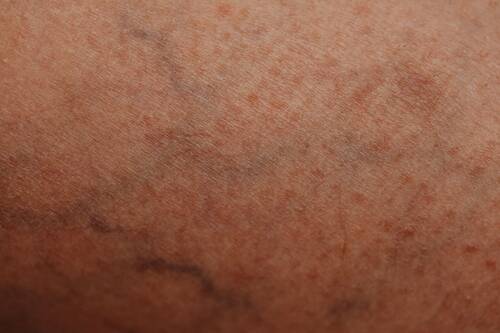
[caption id="attachment_73964" align="aligncenter" width="500"]
 Photo by ROCKETMANN TEAM
[/caption]
Vein disorders affect millions of people worldwide, making them one of the most common vascular conditions in modern healthcare. Problems such as varicose veins, chronic venous insufficiency, and spider veins are often associated with discomfort, swelling, fatigue, and reduced quality of life. While these conditions were once treated primarily through invasive surgical methods, advancements in clinical research have transformed the field of vein care over the past two decades.
Today, minimally invasive vein procedures are reshaping how vascular conditions are diagnosed and treated. These modern techniques are safer, more efficient, and significantly less disruptive for patients compared to traditional surgery. Clinical research has played a central role in this transformation by improving medical technologies, refining treatment methods, and enhancing patient outcomes.