

Speech / 28.04.2026

How to find a quality speech pathologist .jpg A referral often starts the search. A doctor raises a concern, a teacher flags a pattern, or a family member notices that communication is not developing or recovering as expected. From there, the process can feel crowded with profiles, credentials, clinic websites, and promising language. The real task is simpler than it first appears. A quality speech pathologist usually leaves clear signs. Those signs show up in training, case experience, clinical judgment, and the way therapy goals connect to daily life. For families and caregivers, the goal is not to find the most polished pitch — it is to find a clinician whose skills hold up in practice and whose approach makes progress realistic.
Education, Pediatrics, Speech / 02.11.2024

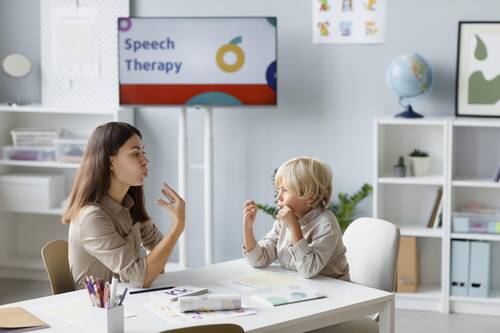
[caption id="attachment_64492" align="aligncenter" width="500"]speech therapy Image by freepik[/caption] Technology has been benefitting the field of speech therapy for ages, but living in the digital age; we have not seen such a jump in innovations that have been helping speech-language pathologists (SLPs), otherwise known as speech therapists, better diagnose and treat patients as we have in the past few years, both in and out of therapy. In this article, we’ll discuss the cutting-edge technology, from tools to apps, that has been implemented to improve the role of speech therapy.

What are the limitations and challenges faced by speech pathologists?

As with all professions, speech therapists also share a number of limitations and challenges when it providing effective treatment for individuals. While they do make a huge difference in the lives of their patients, here are some of the biggest hurdles that SLPs face in their field:
  • Sessions and treatment are time-consuming - speech therapy requires multiple in-person sessions on a weekly basis in order to see results. It’s because of this that many people don’t attend sessions as they don’t have the time or resources to make it to regular sessions.
  • It can be difficult to keep individuals engaged - many of the methods used in traditional speech therapy can seem tedious and less engaging. This makes it difficult to motivate individuals to perform, especially when working with young children.
  • Limited accessibility - another huge limitation of speech therapy is that it’s not readily available in underserved and rural areas, which means there are a lot of people not receiving treatment purely because there isn’t a speech therapist close by.