Surgical Research / 02.01.2026

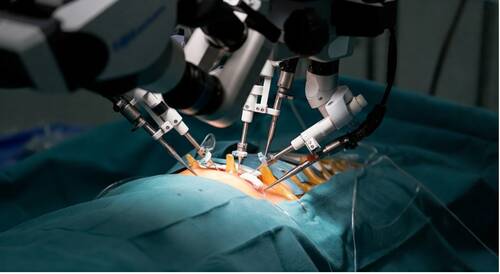
[caption id="attachment_71926" align="aligncenter" width="500"]advances-robotic-surgery.jpg Freepix image[/caption]

Precision Is the New Standard

Spine surgery has changed fast. What once required large incisions, long hospital stays, and extended recovery is now more controlled and more precise. Robotics are a big reason why. Robotic-assisted spine surgery is already in use across many hospitals in the U.S. It is not experimental. It is becoming part of standard care. Surgeons now have tools that improve accuracy and reduce strain on the body. Precision is the main shift. In spine surgery, even a few millimeters matter. Robotics help surgeons work within tighter margins and with greater confidence.

What Robotic Spine Surgery Looks Like Today

Robotic systems do not replace surgeons. They support them. Think of the robot as a guide that helps the surgeon stay on the planned path. Before surgery, the patient receives detailed imaging. This creates a three-dimensional map of the spine. The surgeon plans the procedure using this map. During surgery, the robot helps guide instruments based on that plan. This guidance allows for smaller incisions and less disruption to muscle and tissue. It also reduces guesswork. The surgeon remains in control at all times, but with better feedback and steadier execution.
Surgical Research, Technology / 22.01.2025

technological-advances-spine-care.jpg


Spine care has significantly improved over the years, thanks to new technology. From better surgery techniques to tools that help doctors see the spine more clearly, these changes are making it easier to treat back problems. Dr. Brent Felix, a well-known spine surgeon, is helping lead this progress. He has spent years learning and practicing advanced ways to help patients with spine issues, and his work is making a big difference.

Minimally Invasive Surgery

Minimally invasive surgery uses smaller cuts and special tools to treat spine problems. Unlike traditional surgery, it causes less damage to the body. Patients experience less pain, smaller scars, and faster recovery times. Dr. Brent Felix explains that minimally invasive techniques allow doctors to fix problems like herniated discs and spinal stenosis with much less risk. Surgeons can perform these procedures accurately using small cameras and advanced instruments.
