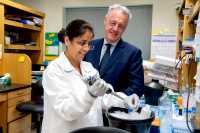
MedicalResearch.com Interview with:
[caption id="attachment_52571" align="alignleft" width="133"]
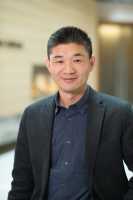
Dr. Zhang[/caption]
Rugang Zhang, Ph.D
Professor & Co-Leader, Gene Expression & Regulation Program
Deputy Director, The Wistar Institute Cancer Center
MedicalResearch.com: What is the background for this study?
Response: Although the majority of epithelial ovarian cancer (EOC) patients initially respond well to platinum therapy, relapse ultimately occurs, which remains a major challenge in the clinical management of EOC. Substantial evidence suggests that cancer stem-like cells (CSC) contribute to chemotherapy resistance and elimination of CSC prevents the therapeutic relapse including in EOCs. Thus, therapeutic elimination of EOC CSCs represents a promising approach to achieve a durable therapeutic outcome by preventing chemotherapy resistance.
Platinum-based chemotherapies are known to induce senescence that limits the propagation of cells subjected to insults such as cancer chemotherapeutics. In contrast to apoptosis, senescent cells remain viable. Senescent cells secrete a plethora of pro-inflammatory cytokines and chemokines, which is termed senescence-associated secretory phenotype (SASP). Therapy-induced inflammation promotes tumor progression and therapy resistance, and the SASP is known to promote cancer stem-like cells. However, clinically applicable approaches to target stemness associated with therapy-induced senescence remain to be explored.

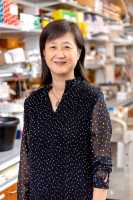 Dr. Qing Chen[/caption]
Qing Chen, M.D., Ph.D.
Assistant Professor, Immunology, Microenvironment & Metastasis Program
Scientific Director, Imaging Facility
The Wistar Institute
MedicalResearch.com: What is the background for this study?
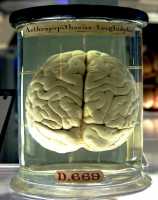
Response: We are focusing on how a specific type of brain cells, astrocytes, helps the cancer cells from melanoma and breast cancer to form metastatic lesions.
Dr. Qing Chen[/caption]
Qing Chen, M.D., Ph.D.
Assistant Professor, Immunology, Microenvironment & Metastasis Program
Scientific Director, Imaging Facility
The Wistar Institute
MedicalResearch.com: What is the background for this study?
Response: We are focusing on how a specific type of brain cells, astrocytes, helps the cancer cells from melanoma and breast cancer to form metastatic lesions.