
24 Jul Vertrae Highlights the Spine Care Leadership of Dr. Kamal Woods
Spine care can feel personal because back and neck problems affect far more than one part of the body. Pain, numbness, weakness, limited walking, poor sleep, and reduced mobility can change how someone works, exercises, travels, cares for family, and moves through an ordinary day. For many patients, finding the right spine specialist is not just about getting a diagnosis. It is about finding someone who can explain what is happening, review realistic options, and help them take the next step with confidence.
At Vertrae, Dr. Kamal Woods, MD, MBA, FAANS, brings that type of leadership to spine care in the Dayton and Miamisburg, Ohio area. For broader context on how evidence guides spine treatment decisions — from conservative care through surgery — see this overview of what the evidence now says about spinal manipulation for lower back and neck pain.
Vertrae describes Dr. Woods as a board-certified neurosurgeon, founder, CEO, and visionary leader of the practice. His background includes advanced spine training at Cedars-Sinai Medical Center, an MBA from Johns Hopkins University, and a professional focus on minimally invasive, robotic-assisted, and motion-preserving spine care. That combination of surgical training, strategic leadership, and patient-centered communication helps shape the Vertrae experience. The practice is built around comprehensive spine care, including office-based evaluation, diagnosis, nonsurgical treatment, in-house physical therapy, and advanced surgical options when appropriate.
A Spine Care Leader With a Broad Clinical Background
Dr. Kamal Woods’ professional background reflects a deep commitment to spine health. Vertrae notes that he is one of the few surgeons in the nation with dual fellowship training in both orthopedic and neurosurgical spine techniques, completed through advanced spine training at Cedars-Sinai Medical Center. That type of training can give a spine surgeon a broader perspective when evaluating complex back and neck conditions.
Spine care is rarely one-size-fits-all. Two patients may both have back pain, but the cause, severity, lifestyle impact, imaging findings, and treatment goals may be completely different. A broad clinical background helps support a more complete evaluation, especially when symptoms may involve nerves, discs, joints, spinal alignment, stenosis, degeneration, or prior treatment history. The North American Spine Society clinical guidelines consistently emphasize individualized assessment and a structured trial of conservative care before surgical referral in most degenerative conditions — principles that align with the comprehensive care model Vertrae describes.
Dr. Woods is also described by Vertrae as a board-certified neurosurgeon and founder of both Vertrae and Vertrae Surgery Center. That leadership role matters because it reflects more than technical skill. It points to a care model designed around the full patient experience, from consultation and diagnosis to conservative treatment and advanced surgical care when needed.
A Patient-First Philosophy Guides the Vertrae Experience
Credentials matter, but the patient experience matters too. Vertrae’s profile of Dr. Woods emphasizes that he listens to each patient’s story, concerns, and goals. That is important in spine care because symptoms are often more complicated than a single scan or diagnosis can explain. A patient may want to walk farther without leg pain. Another may want to return to work with less discomfort. Someone else may be trying to understand whether surgery is necessary or whether conservative care should continue. These goals affect the conversation and the treatment plan.
A patient-first approach means the care process starts with understanding what the person is experiencing. It also means explaining options in a way that makes sense. Spine care can involve medical terms, imaging reports, therapy plans, injections, surgical techniques, recovery timelines, and risk discussions. Patients deserve clear communication through each step. At Vertrae, the stated focus is helping patients return to the activities they love with personalized spine care that puts their goals first.
Comprehensive Spine Care Means More Than Surgery
Although Dr. Woods is a spine surgeon, Vertrae’s model is not limited to surgery alone. The practice describes complete spine care that includes evaluation, diagnosis, nonsurgical treatment, and in-house physical therapy. This matters because many spine conditions can begin with conservative treatment before surgery is considered. Back and neck pain can come from different causes. Some patients may improve with therapy, medication management, injections, lifestyle adjustments, or time. Others may need advanced evaluation if symptoms persist, worsen, or affect nerve function.
A complete spine care model gives patients a more organized path for understanding where they are and what options may make sense. This approach can also reduce confusion. Patients often arrive after trying several different treatments or after receiving conflicting opinions. Having evaluation, conservative care, therapy, and surgical planning connected through one spine-focused team can make the journey easier to follow.
Minimally Invasive and Robotic-Assisted Techniques Reflect Modern Spine Care
Modern spine surgery has changed significantly, and Vertrae presents minimally invasive spine surgery as a cornerstone of its approach. Minimally invasive techniques are designed to treat certain spinal conditions with smaller incisions and less disruption to surrounding muscles and tissues. Vertrae states that these techniques can support quicker recovery, less pain, and reduced scarring for appropriate patients.
Dr. Woods is also associated with robotic-assisted spine surgery and motion-preserving treatments. Technology in spine care is not valuable simply because it sounds advanced. It matters when it helps improve planning, precision, visualization, consistency, or patient recovery. Robotic guidance can assist with certain parts of spine procedures, while minimally invasive approaches can help reduce unnecessary tissue disruption. Motion-preserving care is another important concept — in some cases, the goal is not only to relieve symptoms but also to preserve natural movement when clinically appropriate.
Leadership Extends Beyond the Operating Room
Dr. Woods’ role at Vertrae extends beyond performing spine procedures. As founder and leader, he helped build a practice model that brings spine evaluation, physical therapy, surgical care, and outpatient surgery together. A spine practice is not only shaped by the surgeon’s technical skill. It is shaped by scheduling, communication, patient education, clinical coordination, therapy support, nursing care, surgical planning, and follow-up. When those pieces work together, the patient experience can feel more connected.
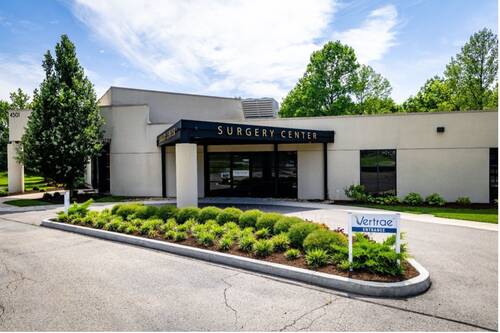
Vertrae Surgery Center is described as a state-of-the-art outpatient surgical facility specializing in minimally invasive spine procedures. Having a spine-focused practice and an outpatient surgery center connected by a shared care philosophy can help support a more streamlined patient journey for those who need surgical treatment.
Innovation and Compassion Work Best Together
Advanced spine care works best when technology and compassion support each other. A robotic platform, minimally invasive technique, or modern surgical center can be valuable, but patients also need trust, communication, and realistic expectations. Dr. Woods’ profile highlights both sides of that equation. His training and technical focus support advanced treatment options, while Vertrae’s patient-centered language emphasizes listening, clarity, and helping people return to meaningful activities.
Compassionate spine care does not mean promising an easy answer. It means being honest, thorough, and clear. It means helping patients understand what their condition may involve, what treatment options exist, what recovery may look like, and what questions they should ask along the way.
A Stronger Spine Care Journey Starts With Trust
Dr. Kamal Woods’ leadership at Vertrae reflects a spine care approach built around advanced training, modern treatment options, and patient-centered decision-making. His background as a board-certified neurosurgeon, fellowship-trained spine surgeon, founder, and healthcare leader helps shape a practice focused on clarity, precision, and meaningful recovery goals.
For patients dealing with back pain, neck pain, nerve symptoms, or uncertainty about their spine health, trust can make the care journey feel less overwhelming. When a patient understands their condition, knows their options, and feels heard by the care team, the next step becomes easier to take.
Disclaimer: The information on MedicalResearch.com is provided for educational purposes only, and is in no way intended to diagnose, cure, or treat any medical or other condition. Some links are sponsored. Products, services and providers are not warranted or endorsed by MedicalResearch.com or Eminent Domains Inc. Always seek the advice of your physician or other qualified health provider and ask your doctor any questions you may have regarding a medical condition. In addition to all other limitations and disclaimers in this agreement, service provider and its third party providers disclaim any liability or loss in connection with the content provided on this website.
Last Updated on July 24, 2026 by Marie Benz MD FAAD