
19 Nov What Happens When a Doctor Fails to Diagnose a Brain Aneurysm?
Brain aneurysms can remain undetected for years. Many are small, never cause symptoms and never rupture. When an aneurysm grows, leaks or ruptures, however, it can become a medical emergency, and timely diagnosis and treatment can lower the risk of severe complications.
A doctor who fails to recognize warning symptoms or to order appropriate tests can leave a patient at risk of brain damage, permanent disability or death. Even when the right tests are ordered, results that are misread or not acted on can lead to a missed or delayed diagnosis with life-threatening consequences.
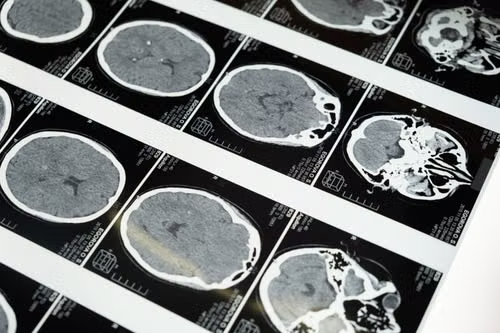
Photo by cottonbro studio via Pexels
When a doctor fails to diagnose a brain aneurysm, it is important to find out why. A missed diagnosis may be medical negligence if the provider did not meet the accepted standard of care, meaning the care a reasonably competent provider would have given in similar circumstances. The NINDS (National Institute of Neurological Disorders and Stroke) explains how brain aneurysms are diagnosed and treated. Understanding the medical, legal and financial consequences of a delayed diagnosis can help patients and families make informed decisions.
How Does a Doctor Fail to Diagnose a Brain Aneurysm?
Most unruptured aneurysms cause no symptoms and are found by chance on imaging done for another reason. A larger aneurysm that presses on nearby nerves or brain tissue may cause pain above or behind one eye, vision changes such as double vision, a dilated pupil or a drooping eyelid. New symptoms like these should prompt a careful evaluation.
A ruptured or leaking aneurysm usually causes a sudden, extremely severe headache, often with nausea or vomiting, a stiff neck, sensitivity to light, seizures or loss of consciousness. Some patients have a smaller “sentinel” bleed with a sudden severe headache days or weeks before a major rupture. That is a critical window for diagnosis.
A doctor who attributes a sudden severe headache to a migraine or tension headache without appropriate evaluation may fail to order the needed tests. A CT scan of the head is typically the first test when a bleed is suspected. If the CT is normal but suspicion remains, a lumbar puncture (spinal tap) may be done to look for blood in the spinal fluid. CT angiography, MR angiography or catheter angiography can then show the aneurysm itself. Skipping these steps when symptoms warrant them can prevent a timely diagnosis.
Aneurysms can also be missed when imaging is misread, or when abnormal findings are not communicated or followed up. Failing to take a complete medical history can contribute as well, since risk factors include a family history of aneurysms, smoking, high blood pressure and certain inherited conditions such as polycystic kidney disease.
What Are the Potential Medical Consequences of Failing to Diagnose a Brain Aneurysm?
An aneurysm that goes undiagnosed may continue to grow and rupture. A rupture usually releases blood into the space around the brain, called a subarachnoid hemorrhage. This is a medical emergency that requires immediate treatment.
Bleeding around the brain can raise pressure inside the skull and reduce blood flow and oxygen to brain tissue, causing neurological damage. Survivors may have lasting problems with memory, reasoning, vision, speech or movement, and many need extensive rehabilitation and long-term care.
A ruptured aneurysm can also be fatal. Complications include seizures, a buildup of fluid in the brain (hydrocephalus) and rebleeding if the aneurysm is not treated promptly. In the days after a rupture, blood vessels in the brain can narrow (vasospasm), which can cause a stroke. Some patients fall into a coma, and permanent disability is common after a severe rupture.
The emotional and financial effects can also be severe. Families may face uncertainty about whether a loved one will regain speech or mobility, or whether a primary wage earner will return to work. Becoming a caregiver overnight can strain any household.
Long-term treatment can be expensive, too. A patient whose aneurysm was missed may need surgery, a long hospital stay and months of rehabilitation to regain abilities or adapt to new limitations.
When Does Failing to Diagnose a Brain Aneurysm Become Medical Malpractice?
Deciding whether a delayed diagnosis was negligent can be complicated. Doctors are expected to provide care consistent with what a reasonably competent physician in the same specialty would provide in similar circumstances.
For example, a patient who describes the sudden “worst headache of my life” with no clear cause generally warrants an urgent evaluation for bleeding in the brain. However, not every missed diagnosis is malpractice. A claim generally requires showing that the care fell below the standard of care and that the delay caused harm that timely treatment would likely have prevented.
An experienced medical malpractice lawyer, such as those at Prince Law Firm, can help gather evidence such as medical records, descriptions of symptoms, imaging studies and test results. Independent medical experts are often needed to explain what the standard of care required. Other providers may also share responsibility, such as an emergency department or a radiologist who did not recognize or report the urgency of the condition.
Determining whether malpractice occurred takes time, and filing deadlines vary by state. Working through each step carefully can help families pursue compensation for medical costs and lost income. Accountability may also encourage safer diagnostic practices that help prevent similar outcomes for other patients.
For a broader overview of diagnostic errors, see this MedicalResearch.com overview of missed and delayed diagnosis.
The information on MedicalResearch.com is provided for educational purposes only, and is in no way intended to diagnose, cure, or treat any medical or other condition. Some links are sponsored. MedicalResearch.com and Eminent Domains Inc. do not warrant or endorse products or claims made by third party links. Always seek the advice of your physician or other qualified health provider and ask your doctor any questions you may have regarding a medical condition. In addition to all other limitations and disclaimers in this agreement, service provider and its third party providers disclaim any liability or loss in connection with the content provided on this website.
Last Updated on November 19, 2026 by Marie Benz MD FAAD