
31 Jul Why Alcohol Detox Should Be the First Step Toward Lasting Recovery
Addiction Treatment Notice: If you or someone you know is struggling with alcohol use disorder, help is available. Call the SAMHSA National Helpline at 1-800-662-4357 (free, confidential, 24/7). In an emergency, call 911. Do not attempt to stop heavy alcohol use abruptly without medical supervision — alcohol withdrawal can be life-threatening. Always consult a licensed healthcare provider before beginning any detox or addiction treatment program.
For many individuals struggling with alcohol dependence, deciding to seek help is one of the most important steps they will ever take. While long-term recovery often includes counseling, behavioral therapy, peer support, and relapse prevention planning, experts agree that recovery typically begins with one critical stage: detoxification.
Alcohol withdrawal can be physically and emotionally challenging, and in some cases, it can pose serious health risks. Because of this, healthcare professionals consistently recommend that individuals experiencing alcohol dependence seek professional support rather than attempting to stop drinking on their own. Organizations such as The Discovery Institute in New Jersey emphasize the importance of beginning recovery with medically supervised care that helps individuals safely navigate withdrawal while preparing them for the next phase of treatment. For a broader look at how holistic and evidence-based approaches work together in addiction recovery, see this overview of holistic approaches to addiction recovery.
Understanding Alcohol Dependence
Alcohol use disorder affects millions of adults each year and can develop gradually over time. What may begin as occasional or social drinking can eventually progress into physical dependence, making it increasingly difficult to stop without experiencing withdrawal symptoms. According to the National Institute on Alcohol Abuse and Alcoholism, an estimated 29.5 million Americans ages 12 and older had alcohol use disorder in 2021 — and fewer than 10% received treatment.
Alcohol affects the central nervous system, and prolonged use causes the brain and body to adapt to its presence. When alcohol consumption suddenly stops, the body must adjust to functioning without it, often resulting in withdrawal symptoms that vary in severity depending on the individual. These symptoms can range from anxiety, nausea, tremors, and difficulty sleeping to more serious complications such as seizures or delirium tremens in severe cases.
Why Professional Detox Matters
Because withdrawal can present significant medical risks, professional supervision plays an important role during the earliest stages of recovery. A medically supervised alcohol detox program allows healthcare professionals to monitor symptoms, manage discomfort, and respond quickly should complications arise. This level of care not only helps improve safety but can also make the detox process more manageable for individuals who may feel overwhelmed by the idea of beginning treatment.
Professional detox programs may also provide emotional support, medication management when appropriate, nutritional guidance, and a structured environment that allows patients to focus entirely on stabilization.
Detox Is Only the Beginning
While detox is an essential first step, it is not designed to address the psychological, emotional, and behavioral factors that contribute to alcohol use disorder. Once withdrawal symptoms have been safely managed, individuals often benefit from continuing treatment through inpatient programs, outpatient services, counseling, group therapy, or other evidence-based approaches. This continuum of care allows individuals to develop healthier coping strategies, better understand the underlying causes of addiction, and build the skills necessary to support long-term recovery. Behavioral health professionals frequently emphasize that successful recovery is a process rather than a single event, with each stage building upon the progress made during the previous one.
Reducing Barriers to Treatment
One of the greatest obstacles preventing individuals from seeking help is fear of withdrawal. Many people delay treatment because they are uncertain about what detox involves or worry that the process will be too uncomfortable or dangerous. Education plays an important role in addressing these concerns. Understanding that medical professionals are available to provide support throughout the detox process can help individuals feel more confident about taking the first step toward recovery. As awareness of substance use disorders continues to grow, healthcare providers are working to reduce stigma while encouraging earlier intervention and greater access to treatment.
Building a Strong Foundation for Recovery
Long-term recovery often depends on establishing a strong foundation from the very beginning. By safely managing withdrawal symptoms and preparing individuals for continued care, detox provides an important opportunity to begin recovery with stability, medical support, and a clear treatment plan. Providers such as Discovery Institute NJ recognize that recovery is about more than simply stopping alcohol use. It involves helping individuals regain their health, rebuild relationships, strengthen emotional well-being, and develop the tools necessary for lasting success. For those considering treatment, beginning with professional detox can provide both the safety and support needed to move forward with confidence.
Looking Ahead
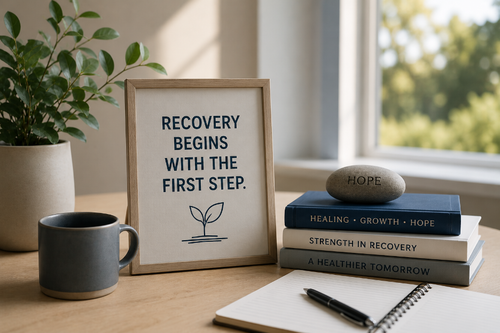
Recovery from alcohol dependence is rarely accomplished overnight, but every successful recovery journey starts with a first step. Professional detox offers individuals the opportunity to begin that journey in a safe, supportive, and medically supervised environment while preparing for the work that follows. As behavioral healthcare continues to evolve, healthcare professionals increasingly recognize that comprehensive recovery begins with compassionate, evidence-based care. By combining medical oversight with continued therapeutic support, organizations like Discovery Institute NJ are helping individuals take meaningful steps toward healthier, more fulfilling lives.
Disclaimer: The information on MedicalResearch.com is provided for educational purposes only, and is in no way intended to diagnose, cure, or treat any medical or other condition. Some links are sponsored. Products, services and providers are not warranted or endorsed by MedicalResearch.com or Eminent Domains Inc. Always seek the advice of your physician or other qualified health provider and ask your doctor any questions you may have regarding a medical condition. In addition to all other limitations and disclaimers in this agreement, service provider and its third party providers disclaim any liability or loss in connection with the content provided on this website.
Last Updated on July 31, 2026 by Marie Benz MD FAAD