
27 May Why Drivers Struggle to React Safely During Nighttime Thunderstorms and Heavy Rain
Driving in the middle of a torrential downpour is stressful enough on its own. When you throw total darkness into the mix, a routine drive home can quickly turn into a high-stakes guessing game. Your visibility plummets, your tires lose their grip on the asphalt, and your brain gets hit with a massive wave of sensory overload. If things go wrong, you might need to view accident attorneys to help sort out the aftermath of a sudden collision. Understanding exactly why these conditions are so dangerous is the first step toward staying safe when the weather turns ugly.
The Illusion of the Open Road
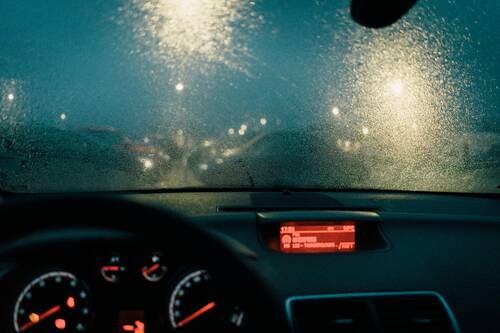
When rain starts hammering your windshield at night, your headlights stop working the way they are supposed to. Instead of illuminating the road ahead, your high beams and low beams reflect off the millions of falling water droplets. This creates a blinding white wall of glare right in front of your face.
To make matters worse, the wet pavement acts like a giant mirror. It reflects the headlights of oncoming traffic and the neon glow of streetlights directly into your eyes. This constant reflection distorts your depth perception. You can easily misjudge how far away another car is, or you might completely miss a bend in the road until it is too late.
Hydroplaning Happens Faster Than You Think
Your tires need a solid connection with the dry ground to keep you in control of your vehicle. During a heavy summer thunderstorm, water pools on the road faster than standard highway drainage systems can handle. When your tires roll over these deep puddles, a thin layer of water builds up between your rubber tread and the pavement.
This is called hydroplaning, and it can happen at speeds as low as thirty-five miles per hour. When your vehicle hydroplanes, you lose the ability to steer or brake. It feels like you are gliding on ice, and your natural instinct to slam on the brakes will only make the skid worse.
The Mental Exhaustion of Sensory Overload
Driving requires a lot of mental energy, but navigating a nighttime storm demands absolute concentration. Your brain has to process a chaotic environment all at once. You have the rapid slapping of the windshield wipers, the loud drumming of rain on the roof, the sudden flashes of lightning, and the blinding glare of red brake lights ahead.
This intense sensory bombardment causes rapid mental fatigue. Your reaction time slows down significantly because your brain is struggling to sort the important visual cues from the background noise. A hazard that you would normally spot a quarter-mile away during the day might not register until you are just feet away from it.
For more on how reaction time and cognitive load affect driving safety, see MedicalResearch.com’s brain research coverage.
Vanishing Lane Markers and Road Hazards
Heavy rain has a magical, frustrating way of making painted road lines completely disappear. When water covers the reflective paint on highways and local streets, you lose your primary visual guide. Without those clear boundaries, drivers naturally tend to drift toward the center of the road or hug the shoulder too closely.
Beyond the missing lines, nighttime storms hide hidden dangers beneath the surface. Deep potholes fill up with water, making them look like flat, harmless puddles. You cannot see debris like fallen tree branches or displaced construction cones until they are right under your front bumper.
How to Fight Back Against the Storm
You cannot control the weather, but you can control how you respond to it. The absolute best thing you can do when the sky opens up at night is to drop your speed well below the posted limit. Cruise control should be turned off immediately, as it can cause your car to accelerate if you start to hydroplane.
Give the vehicle in front of you twice as much space as you normally would. Your stopping distance increases dramatically on wet roads, and you need that extra cushion to account for delayed reaction times. If the rain becomes so thick that you can no longer see the tail lights of the car ahead, find a safe parking lot or pull far off the shoulder and turn on your hazard lights.
Final Word
Surviving a midnight downpour is all about patience and respect for the elements. When the human brain and eye are pushed to their limits by glare and water, mistakes happen fast. If you ever find yourself injured due to another driver who failed to slow down in a storm, you may want to view accident attorneys online information to learn about your legal options. Stay calm, slow your pace, and remember that arriving late is always better than not arriving at all.
Disclaimer: The information on MedicalResearch.com is provided for educational purposes only, and is in no way intended to diagnose, cure, or treat any medical or other condition. Some links are sponsored. Products, services and providers are not warranted or endorsed by MedicalResearch.com or Eminent Domains Inc. Always seek the advice of your physician or other qualified health and ask your doctor any questions you may have regarding a medical condition. In addition to all other limitations and disclaimers in this agreement, service provider and its third party providers disclaim any liability or loss in connection with the content provided on this website.
Last Updated on May 27, 2026 by Marie Benz MD FAAD